Table of Contents
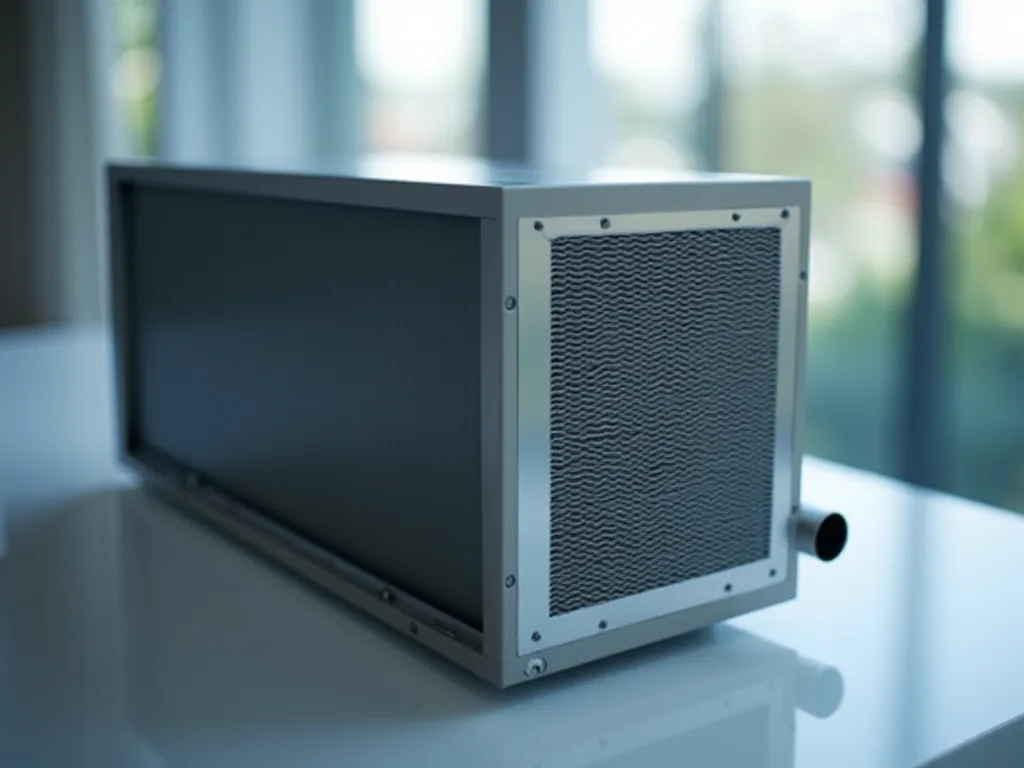
Compact heat exchangers represent a critical engineering solution in modern industrial and commercial applications where space limitations demand innovative thermal management approaches. These sophisticated devices are engineered to deliver maximum heat transfer efficiency while occupying minimal physical volume, making them indispensable in industries ranging from aerospace and automotive to electronics cooling and renewable energy systems. As equipment becomes increasingly miniaturized and performance requirements continue to escalate, the design and optimization of compact heat exchangers has emerged as a pivotal discipline within thermal engineering. This comprehensive guide explores the fundamental principles, advanced design methodologies, material considerations, and practical implementation strategies for developing high-performance compact heat exchangers that meet the demanding requirements of space-constrained applications.
Understanding Compact Heat Exchangers and Their Applications
Compact heat exchangers are defined by their high surface area density, typically exceeding 700 square meters per cubic meter of volume. This characteristic distinguishes them from conventional heat exchangers and enables them to achieve remarkable thermal performance within constrained spatial envelopes. The fundamental advantage of compact designs lies in their ability to create extensive heat transfer surfaces through innovative geometric configurations, including closely spaced plates, microchannels, and enhanced fin structures.
These heat exchangers find critical applications across numerous industries where space premium and weight constraints drive design decisions. In aerospace applications, compact heat exchangers provide essential thermal management for avionics, environmental control systems, and propulsion components while minimizing weight penalties that directly impact fuel efficiency and payload capacity. The automotive industry relies heavily on compact heat exchanger technology for radiators, intercoolers, oil coolers, and increasingly for battery thermal management systems in electric vehicles where packaging efficiency directly influences vehicle range and performance.
Electronics cooling represents another domain where compact heat exchangers prove invaluable, as modern processors and power electronics generate substantial heat fluxes within increasingly miniaturized packages. Data centers, telecommunications equipment, and consumer electronics all depend on compact thermal solutions to maintain operational temperatures while fitting within tight spatial constraints. Additionally, process industries, refrigeration systems, and renewable energy applications such as fuel cells and solar thermal systems benefit significantly from compact heat exchanger technology.
Fundamental Design Considerations for Space-Constrained Applications
Thermal Performance Requirements
The foundation of any compact heat exchanger design begins with clearly defined thermal performance requirements. Engineers must establish precise specifications for heat duty, inlet and outlet temperatures for both fluid streams, allowable pressure drops, and effectiveness targets. The effectiveness-NTU (Number of Transfer Units) method provides a powerful analytical framework for evaluating heat exchanger performance independent of inlet temperatures, enabling designers to assess how closely a design approaches ideal heat transfer conditions.
Heat transfer coefficients on both the hot and cold sides significantly influence overall thermal performance. Compact designs typically employ enhanced surfaces, turbulence promoters, or flow disruption features to increase convective heat transfer coefficients, thereby reducing the required surface area. However, these enhancements invariably increase pressure drop, creating a fundamental trade-off that designers must carefully balance based on application-specific constraints and available pumping power.
The overall heat transfer coefficient depends not only on convective resistances but also on conductive resistance through the separating wall and any fouling resistances that develop during operation. In compact designs where wall thickness is minimized to reduce conductive resistance, structural integrity and pressure containment capabilities must be carefully verified through stress analysis and appropriate safety factors.
Geometric and Spatial Constraints
Space-constrained applications impose strict geometric limitations that fundamentally shape heat exchanger design. Maximum allowable dimensions in length, width, and height must be established early in the design process, along with any restrictions on shape factor or aspect ratio. Installation considerations including access requirements for maintenance, connection locations for inlet and outlet ports, and clearances for surrounding equipment further constrain the available design space.
Weight limitations often accompany space constraints, particularly in aerospace and automotive applications where every kilogram impacts performance and efficiency. Material selection and structural optimization become critical factors in achieving required thermal performance while meeting weight targets. The volumetric power density, expressed as heat transfer rate per unit volume, serves as a key metric for evaluating how effectively a design utilizes available space.
Orientation and mounting configuration influence both thermal performance and mechanical design. Some compact heat exchanger types perform differently depending on whether they operate in horizontal or vertical orientations, particularly when phase change phenomena or natural convection effects are present. Vibration environments, thermal expansion considerations, and structural support requirements must all be addressed within the spatial envelope.
Fluid Properties and Operating Conditions
The thermophysical properties of working fluids profoundly impact heat exchanger design and performance. Viscosity affects pressure drop and pumping requirements while also influencing heat transfer coefficients through its effect on Reynolds number and boundary layer development. Thermal conductivity, specific heat capacity, and density determine the fluid's ability to transport thermal energy. For liquid applications, consideration must be given to freezing points, boiling points, and potential phase change within the operating temperature range.
Operating pressure and temperature ranges establish material compatibility requirements and influence mechanical design decisions. High-pressure applications require thicker walls and more robust construction, potentially conflicting with compactness objectives. Temperature extremes may necessitate special materials or protective coatings, while large temperature differentials create thermal stress concerns that must be addressed through appropriate material selection and structural design.
Fluid compatibility with construction materials is paramount for ensuring long-term reliability. Corrosion, erosion, and chemical compatibility must be thoroughly evaluated, particularly for aggressive fluids or contaminated streams. Some compact heat exchanger designs with very small flow passages are particularly susceptible to fouling, scaling, or particulate accumulation, making fluid cleanliness and filtration critical considerations.
Types of Compact Heat Exchangers for Space-Limited Environments
Plate Heat Exchangers
Plate heat exchangers achieve compactness through stacks of thin, corrugated metal plates that create numerous parallel flow channels with large surface areas relative to volume. The corrugations serve dual purposes: they provide structural support allowing thin plates to withstand pressure differentials, and they induce turbulence that enhances heat transfer coefficients. Gasketed plate heat exchangers offer flexibility for maintenance and cleaning, with individual plates that can be added or removed to adjust capacity. However, gasket materials limit maximum operating temperatures and pressures.
Brazed plate heat exchangers eliminate gaskets by brazing plates together, typically using copper or nickel brazing materials. This construction enables higher pressure and temperature capabilities while creating an extremely compact package. The absence of gaskets also eliminates potential leak paths, making brazed designs suitable for refrigerant applications and other systems where fluid containment is critical. The trade-off is that brazed units cannot be disassembled for mechanical cleaning, making them best suited for clean fluids or applications with effective filtration.
Welded and semi-welded plate heat exchangers provide intermediate solutions, offering some disassembly capability while achieving higher pressure ratings than fully gasketed designs. These configurations prove particularly valuable when one fluid is aggressive or operates at high pressure while the other side requires periodic cleaning access. Plate heat exchangers excel in liquid-to-liquid applications and can achieve effectiveness values exceeding 90 percent in counterflow configurations.
Microchannel Heat Exchangers
Microchannel heat exchangers represent the cutting edge of compact thermal technology, featuring flow passages with hydraulic diameters typically ranging from 0.1 to 1 millimeter. These extremely small channels create enormous surface area to volume ratios, often exceeding 3000 square meters per cubic meter. The small hydraulic diameter dramatically reduces the thermal boundary layer thickness, resulting in very high heat transfer coefficients despite typically laminar flow conditions.
Aluminum microchannel heat exchangers dominate automotive and HVAC applications, manufactured through extrusion processes that create multi-port tubes with numerous parallel microchannels. These tubes are assembled with fins and headers, then brazed in controlled atmosphere furnaces to create complete heat exchanger cores. The resulting units provide exceptional thermal performance with minimal refrigerant charge, reduced weight, and compact packaging that meets stringent automotive space requirements.
Microchannel technology extends beyond aluminum extrusions to include designs fabricated through photochemical etching, diffusion bonding, and additive manufacturing. These advanced fabrication methods enable complex three-dimensional flow networks optimized for specific applications. Microchannel heat exchangers prove particularly effective for high heat flux applications such as electronics cooling, where localized hot spots require efficient heat removal within minimal volumes. The primary challenges include susceptibility to fouling in the small passages, high pumping power requirements due to increased pressure drop, and manufacturing tolerances that significantly impact performance.
Printed Circuit Heat Exchangers
Printed circuit heat exchangers (PCHEs) employ a unique manufacturing approach where flow channels are chemically etched or mechanically formed into metal plates, which are then diffusion bonded together under high temperature and pressure to create a monolithic structure. This construction method enables extremely compact designs capable of withstanding very high pressures, often exceeding 500 bar, making PCHEs ideal for supercritical fluid applications, high-pressure gas processing, and demanding process industry requirements.
The diffusion bonding process creates metallurgical bonds between plates without filler materials, resulting in joints as strong as the parent material. This allows designers to use thin plates and create complex flow networks without concerns about joint integrity under extreme conditions. Channel geometries can be optimized for specific applications, with semicircular, rectangular, or airfoil-shaped passages designed to balance heat transfer enhancement against pressure drop penalties.
PCHEs find extensive application in liquefied natural gas facilities, supercritical CO2 power cycles, hydrogen liquefaction, and other processes where extreme operating conditions demand robust, compact thermal solutions. The technology accommodates a wide range of materials including stainless steels, titanium, nickel alloys, and other specialty metals selected for specific corrosion resistance or high-temperature performance requirements. While manufacturing costs are higher than conventional heat exchangers, the combination of compactness, pressure capability, and reliability often justifies the investment in demanding applications.
Compact Shell and Tube Designs
Traditional shell and tube heat exchangers can be adapted for improved compactness through several design modifications. Using smaller diameter tubes with thinner walls increases surface area density while reducing overall volume. Enhanced tubes with internal or external surface modifications improve heat transfer coefficients, allowing reduced length for a given thermal duty. High fin density external fins on tubes dramatically increase surface area on the shell side, particularly beneficial when shell-side heat transfer coefficients are limiting.
Compact shell and tube designs often employ multiple tube passes and sophisticated baffling arrangements to enhance shell-side flow distribution and heat transfer. Helical baffles create swirling flow patterns that improve heat transfer while reducing pressure drop compared to conventional segmental baffles. Rod baffles provide tube support while minimizing flow resistance, enabling longer unsupported tube lengths in compact packages.
While generally less compact than plate or microchannel alternatives, optimized shell and tube designs offer advantages in applications requiring high fouling resistance, easy mechanical cleaning, or compatibility with existing infrastructure and maintenance practices. They remain competitive in many industrial applications where proven reliability and serviceability outweigh pure compactness considerations.
Rotary and Regenerative Heat Exchangers
Rotary heat exchangers, also known as thermal wheels or heat recovery wheels, achieve compactness through a fundamentally different operating principle. A rotating matrix of heat storage material alternately passes through hot and cold gas streams, absorbing heat from the hot stream and releasing it to the cold stream. This regenerative approach enables very high effectiveness in a compact package, particularly for gas-to-gas heat recovery applications.
The rotating matrix typically consists of corrugated metal foil or ceramic materials formed into a wheel structure with thousands of small flow passages. As the wheel rotates slowly, typically at 10 to 20 revolutions per minute, each section of matrix material cycles between hot and cold gas streams. The thermal mass of the matrix stores and transfers energy, enabling effectiveness values often exceeding 85 percent in counterflow-equivalent configurations.
Rotary heat exchangers excel in HVAC applications for building ventilation heat recovery, industrial process heat recovery, and gas turbine inlet cooling. Their compactness and high effectiveness make them attractive for space-constrained installations. However, they involve moving parts requiring maintenance, potential cross-contamination between gas streams through carryover and leakage, and are generally limited to gas-phase applications. Purge sectors and sealing systems minimize cross-contamination but add complexity to the design.
Advanced Design Strategies for Maximizing Thermal Performance
Flow Path Optimization
Optimizing fluid flow paths represents one of the most powerful strategies for enhancing compact heat exchanger performance. Counterflow arrangements provide the highest thermodynamic efficiency by maintaining maximum temperature difference between fluids throughout the exchanger length. This configuration enables approach temperatures limited only by heat transfer effectiveness rather than by fundamental thermodynamic constraints that affect parallel flow designs.
Flow distribution uniformity critically impacts performance in compact heat exchangers where numerous parallel channels must receive equal flow rates. Poor distribution results in some channels being underutilized while others experience excessive pressure drop, degrading overall effectiveness. Header design employs computational fluid dynamics analysis to optimize inlet and outlet manifold geometries, ensuring uniform flow distribution across all channels. Tapered headers, perforated distribution plates, and carefully designed flow splitting networks help achieve uniform distribution.
Flow velocity optimization balances heat transfer enhancement against pressure drop penalties. Higher velocities increase turbulence and heat transfer coefficients but create quadratically increasing pressure drops. The optimal velocity depends on fluid properties, available pumping power, and the relative importance of thermal performance versus hydraulic losses. In many compact designs, velocities are selected to maintain turbulent flow conditions while remaining below levels that cause erosion, excessive noise, or unacceptable pressure drops.
Secondary flow features such as vortex generators, dimples, protrusions, and flow disruption elements enhance mixing and heat transfer by interrupting boundary layer development. These features prove particularly effective in compact geometries where conventional turbulence enhancement through high Reynolds numbers may be impractical due to pressure drop constraints. Careful optimization ensures that heat transfer gains outweigh the pressure drop penalties introduced by these features.
Surface Enhancement Techniques
Enhanced surfaces dramatically improve heat transfer coefficients in compact heat exchangers, enabling reduced size for a given thermal duty. Extended surfaces such as fins increase heat transfer area on the side with lower heat transfer coefficients, typically the gas side in gas-to-liquid applications. Fin efficiency becomes a critical consideration, as very long or thick fins may not be fully utilized due to temperature gradients along the fin length. Optimal fin design balances increased surface area against reduced fin efficiency.
Offset strip fins, louvered fins, and wavy fins create interrupted flow patterns that repeatedly disrupt boundary layers, maintaining high local heat transfer coefficients throughout the flow path. These geometries prove particularly effective in compact heat exchangers for automotive and HVAC applications. The interruptions prevent thick boundary layer development that would otherwise reduce heat transfer effectiveness, though at the cost of increased pressure drop.
Surface roughness and microstructure modifications enhance heat transfer through increased turbulence and expanded effective surface area. Techniques include sandblasting, chemical etching, electroplating with porous coatings, and laser surface texturing. These modifications prove especially valuable in boiling and condensation applications where surface characteristics strongly influence nucleation site density and liquid film behavior.
Hydrophobic and hydrophilic surface treatments modify wetting characteristics to enhance condensation heat transfer or promote dropwise condensation rather than filmwise condensation. In boiling applications, surface treatments can enhance nucleate boiling heat transfer coefficients or delay the onset of critical heat flux. These advanced surface engineering approaches enable significant performance improvements within existing geometric constraints.
Multi-Objective Optimization Approaches
Modern compact heat exchanger design increasingly employs multi-objective optimization techniques that simultaneously consider thermal performance, pressure drop, weight, cost, and other competing objectives. These approaches recognize that optimal designs represent trade-offs rather than absolute maxima or minima of single parameters. Pareto optimization identifies the frontier of non-dominated solutions where improvement in one objective necessarily requires degradation in another.
Genetic algorithms, particle swarm optimization, and other evolutionary computation methods explore vast design spaces to identify optimal or near-optimal configurations. These techniques prove particularly valuable for compact heat exchangers where complex geometries and numerous design variables create highly non-linear optimization landscapes that challenge traditional gradient-based methods. The algorithms can simultaneously optimize channel dimensions, fin geometries, flow arrangements, and material selections.
Computational fluid dynamics coupled with optimization algorithms enables detailed performance prediction and automated design refinement. High-fidelity simulations capture complex flow phenomena, heat transfer mechanisms, and their interactions, providing accurate performance predictions that guide optimization. Surrogate modeling techniques such as response surface methods or neural networks reduce computational burden by creating fast-running approximations of expensive CFD simulations, enabling exploration of larger design spaces.
Topology optimization represents an emerging frontier where algorithms determine optimal material distribution and flow path configurations with minimal designer bias. Rather than optimizing predefined geometries, topology optimization can discover novel configurations that human designers might not conceive. Combined with additive manufacturing capabilities, this approach enables truly optimized compact heat exchangers tailored to specific application requirements.
Material Selection for Compact Heat Exchanger Applications
Thermal Conductivity Considerations
Material thermal conductivity directly impacts heat exchanger effectiveness by determining conductive resistance through separating walls. High thermal conductivity materials such as copper and aluminum minimize this resistance, enabling thinner walls and more compact designs. Copper offers excellent thermal conductivity around 400 W/m·K and good corrosion resistance in many applications, making it a preferred choice for HVAC and refrigeration systems. However, copper's higher density and cost compared to aluminum drive material selection toward aluminum in weight-sensitive applications.
Aluminum alloys provide thermal conductivities ranging from 120 to 200 W/m·K depending on composition, offering a favorable balance of thermal performance, weight, cost, and manufacturability. The automotive and aerospace industries extensively employ aluminum for compact heat exchangers, leveraging its low density and excellent brazability. Specialized aluminum alloys optimized for brazing operations enable complex multi-component assemblies with reliable joints.
Stainless steels sacrifice thermal conductivity, typically 15 to 30 W/m·K, in exchange for superior corrosion resistance and high-temperature capability. In compact designs where wall thickness is minimized, the lower thermal conductivity of stainless steel creates more significant conductive resistance compared to conventional heat exchangers. However, for aggressive fluids or extreme operating conditions, stainless steel's durability often outweighs its thermal limitations. Designers compensate through enhanced surface features or increased surface area.
Titanium and nickel alloys serve specialized applications requiring exceptional corrosion resistance or high-temperature performance. These materials enable compact heat exchangers to operate in environments where other materials would fail, such as seawater cooling systems, chemical processing, or high-temperature aerospace applications. The significantly higher cost of these materials is justified when application requirements preclude alternatives.
Mechanical Properties and Structural Integrity
Mechanical strength determines minimum wall thicknesses required to contain operating pressures safely. Compact heat exchangers with thin walls and small flow passages must carefully balance thermal performance objectives against structural requirements. Yield strength, ultimate tensile strength, and fatigue resistance all influence design decisions, particularly for applications experiencing pressure cycling or thermal transients.
Thermal expansion coefficients affect stress development when components experience temperature changes or when dissimilar materials are joined. Compact designs with constrained geometries may be particularly susceptible to thermal stress, requiring careful analysis of expansion compatibility. Differential expansion between hot and cold sides can create significant stresses in fixed-tubesheet designs, potentially necessitating expansion joints or floating header arrangements.
Creep resistance becomes critical for high-temperature applications where sustained loading at elevated temperatures causes time-dependent deformation. Materials must maintain structural integrity throughout the design life despite creep mechanisms. Compact heat exchangers in power generation, aerospace propulsion, or high-temperature process applications require materials with proven creep resistance at operating temperatures.
Fatigue life considerations address cyclic loading from pressure fluctuations, thermal cycling, and vibration. Compact designs with thin sections may be more susceptible to fatigue failure than conventional heat exchangers. Stress concentration factors at geometric discontinuities, joints, and transitions require careful attention. Fatigue analysis employing S-N curves or fracture mechanics approaches ensures adequate design life under anticipated operating conditions.
Corrosion Resistance and Compatibility
Corrosion resistance determines material suitability for specific fluid environments and profoundly impacts heat exchanger longevity. Uniform corrosion gradually reduces wall thickness, potentially compromising structural integrity in compact designs with minimal corrosion allowance. Pitting and crevice corrosion create localized failures that can rapidly penetrate thin walls. Stress corrosion cracking combines tensile stress with corrosive environments to cause brittle failure even in ductile materials.
Galvanic corrosion occurs when dissimilar metals contact in the presence of an electrolyte, with the more anodic material experiencing accelerated corrosion. Compact heat exchangers often employ multiple materials optimized for different functions, creating potential galvanic couples. Careful material selection, insulating barriers, or sacrificial anodes mitigate galvanic corrosion risks. Aluminum-to-copper joints in HVAC systems exemplify situations requiring careful galvanic corrosion management.
Erosion-corrosion combines mechanical wear with chemical attack, particularly problematic in high-velocity applications or when fluids contain particulates. Compact heat exchangers with small flow passages may experience localized high velocities that accelerate erosion-corrosion. Material selection must consider both corrosion resistance and erosion resistance, sometimes requiring harder materials or protective coatings in critical areas.
Chemical compatibility extends beyond corrosion to include material degradation from chemical attack, swelling, or dissolution. Polymeric gaskets and seals in gasketed plate heat exchangers must resist degradation from process fluids throughout the operating temperature range. Brazing materials must remain stable and not form brittle intermetallic compounds during service. Comprehensive compatibility assessment considers all materials in contact with process fluids.
Advanced Manufacturing Techniques for Compact Designs
Additive Manufacturing and 3D Printing
Additive manufacturing revolutionizes compact heat exchanger design by enabling complex geometries impossible to produce through conventional manufacturing. Selective laser melting, electron beam melting, and binder jetting processes build components layer by layer from metal powders, creating intricate internal flow networks optimized for thermal performance without manufacturing constraints that limit traditional designs. This freedom enables truly three-dimensional flow paths, variable cross-sections, integrated manifolds, and topology-optimized structures.
Lattice structures and cellular geometries created through additive manufacturing provide exceptional surface area density with controlled porosity and flow characteristics. These structures can be graded spatially to optimize local heat transfer and pressure drop characteristics. Gyroid, diamond, and other mathematically defined minimal surfaces create efficient heat transfer structures with favorable strength-to-weight ratios.
Material options for additive manufacturing continue expanding, with aluminum alloys, stainless steels, titanium alloys, nickel superalloys, and copper alloys all available for heat exchanger applications. Surface finish and internal porosity require careful process control, as these factors significantly impact heat transfer performance and pressure drop. Post-processing including hot isostatic pressing, machining, and surface treatments often enhance properties and performance of additively manufactured heat exchangers.
The technology particularly benefits low-volume, high-value applications where tooling costs for conventional manufacturing would be prohibitive. Aerospace, defense, motorsports, and specialized industrial applications increasingly adopt additively manufactured compact heat exchangers. As manufacturing speeds increase and costs decrease, broader adoption across additional industries becomes economically viable.
Diffusion Bonding and Brazing Technologies
Diffusion bonding creates solid-state joints by applying pressure and temperature below the melting point, causing atomic diffusion across interfaces to form metallurgical bonds. This process enables joining of thin plates with complex etched or formed flow channels without filler materials that might obstruct passages or create corrosion concerns. The resulting monolithic structure exhibits strength comparable to parent materials and can withstand extreme pressures and temperatures.
Vacuum brazing joins multiple components using filler metals that melt and flow through capillary action to create leak-tight joints. Controlled atmosphere brazing in vacuum or inert gas furnaces prevents oxidation and enables simultaneous joining of numerous joints in complex assemblies. Aluminum heat exchangers for automotive applications are typically assembled with dozens of components and hundreds of joints, all brazed simultaneously in a single furnace cycle.
Brazing alloy selection considers melting temperature, flow characteristics, corrosion resistance, and compatibility with base materials. Aluminum brazing typically employs aluminum-silicon alloys with melting points around 580°C, while copper brazing uses copper-phosphorus or silver-based alloys. Nickel-based brazing alloys enable joining of stainless steels and high-temperature alloys for demanding applications.
Surface preparation and cleanliness critically impact brazing quality. Oxides, oils, and contaminants prevent proper wetting and flow of brazing alloys. Chemical cleaning, flux application, or controlled atmosphere processing ensure clean surfaces for reliable joints. Fixture design maintains proper alignment and contact pressure during brazing cycles while accommodating thermal expansion.
Microfabrication and Precision Manufacturing
Photochemical etching, also known as chemical milling, selectively removes material through photoresist masking and chemical etching to create precise flow channels and features in thin metal sheets. This process enables complex patterns with fine details, making it ideal for microchannel heat exchangers and compact plate designs. Multiple etched sheets can be stacked and bonded to create three-dimensional flow networks with precisely controlled dimensions.
Electrical discharge machining (EDM) creates intricate features through controlled electrical sparks that erode material. Wire EDM cuts complex profiles through thick sections, while sinker EDM forms cavities and channels using shaped electrodes. These processes achieve tight tolerances and fine surface finishes in hard materials difficult to machine conventionally, enabling compact heat exchanger components with precise flow passages.
Laser cutting and laser welding provide precise, localized material processing with minimal heat-affected zones. Laser cutting creates intricate patterns in thin materials for fins, plates, and flow distribution features. Laser welding joins components with narrow, deep weld penetration and minimal distortion, particularly valuable for thin-walled compact designs where conventional welding might cause excessive distortion or burn-through.
Electroforming deposits metal onto mandrels or patterns to create precise geometries, then removes the mandrel to leave hollow structures. This technique produces complex internal geometries with excellent surface finish and dimensional control. Electroformed nickel and copper components serve specialized compact heat exchanger applications requiring intricate flow passages or exceptional surface quality.
Thermal and Hydraulic Performance Analysis Methods
Analytical and Empirical Correlations
Heat transfer correlations provide essential tools for predicting convective heat transfer coefficients in compact heat exchangers. The Nusselt number, representing dimensionless heat transfer coefficient, correlates with Reynolds number, Prandtl number, and geometric parameters through empirically derived relationships. For turbulent flow in circular tubes, the Dittus-Boelter equation and its refinements predict heat transfer coefficients with reasonable accuracy. Compact geometries with non-circular channels, enhanced surfaces, or complex flow patterns require specialized correlations developed through experimental testing.
Friction factor correlations predict pressure drop through relationships between friction factor, Reynolds number, and geometric parameters. The Darcy-Weisbach equation relates pressure drop to friction factor, flow velocity, and channel geometry. Compact heat exchangers with enhanced surfaces exhibit friction factors significantly higher than smooth tubes, requiring geometry-specific correlations. The Colburn j-factor provides a useful parameter relating heat transfer and friction characteristics, enabling performance comparison across different geometries.
The effectiveness-NTU method analyzes heat exchanger performance without requiring iterative calculations of outlet temperatures. Effectiveness represents the ratio of actual heat transfer to maximum possible heat transfer, while NTU (Number of Transfer Units) characterizes heat exchanger size relative to fluid heat capacity rates. Relationships between effectiveness, NTU, and heat capacity rate ratio depend on flow arrangement, with counterflow configurations achieving highest effectiveness for given NTU values.
Log mean temperature difference (LMTD) methods provide alternative analysis approaches, particularly useful when inlet and outlet temperatures are known. Correction factors account for flow arrangements other than pure counterflow or parallel flow. The LMTD method directly relates heat transfer rate to overall heat transfer coefficient, surface area, and temperature driving force, providing intuitive physical insight into heat exchanger performance.
Computational Fluid Dynamics Simulation
Computational fluid dynamics (CFD) enables detailed analysis of flow patterns, temperature distributions, and heat transfer mechanisms in compact heat exchangers. Three-dimensional simulations capture complex phenomena including flow maldistribution, secondary flows, boundary layer development, and local hot spots that simplified analytical methods cannot predict. CFD proves particularly valuable for novel geometries lacking established correlations or for optimizing designs where small performance improvements justify computational investment.
Turbulence modeling significantly impacts CFD accuracy for compact heat exchangers where flow may transition between laminar and turbulent regimes or where complex geometries create challenging flow conditions. Reynolds-averaged Navier-Stokes (RANS) models including k-epsilon and k-omega formulations provide computationally efficient turbulence predictions suitable for many engineering applications. Large eddy simulation (LES) and direct numerical simulation (DNS) offer higher fidelity at substantially increased computational cost, typically reserved for fundamental research or critical applications.
Conjugate heat transfer analysis simultaneously solves fluid flow and solid conduction, capturing thermal interactions between fluid streams and solid structures. This approach proves essential for compact heat exchangers where thin walls and high heat fluxes create significant temperature gradients in solid materials. Conjugate analysis accurately predicts wall temperatures, thermal stresses, and overall heat transfer performance.
Mesh generation challenges in compact heat exchangers arise from small geometric features, thin walls, and large aspect ratios. High-quality meshes with appropriate refinement in boundary layers and regions of high gradients are essential for accurate results. Symmetry and periodicity can reduce computational domains for geometries with repeating patterns, significantly decreasing solution times while maintaining accuracy. Validation against experimental data or established correlations builds confidence in CFD predictions and guides appropriate modeling choices.
Experimental Testing and Validation
Experimental testing provides essential validation of compact heat exchanger designs and generates data for developing correlations. Test facilities must accurately measure heat transfer rates, temperatures, pressures, and flow rates while maintaining controlled operating conditions. Heat balance verification ensures that heat rejected by the hot fluid matches heat absorbed by the cold fluid within acceptable uncertainty limits, confirming measurement accuracy and identifying heat losses to surroundings.
Temperature measurement requires careful sensor placement and consideration of conduction errors along sensor leads. Multiple thermocouples or resistance temperature detectors at inlet and outlet locations enable averaging to account for temperature non-uniformities. Fluid mixing sections upstream of temperature measurement points ensure representative bulk temperature readings. For compact heat exchangers with small flow passages, sensor installation without flow obstruction or disturbance presents challenges requiring innovative solutions.
Pressure drop measurement employs differential pressure transducers with appropriate range and accuracy for expected pressure differences. Pressure taps must be located to capture heat exchanger pressure drop without including entrance or exit losses unless those are part of the design evaluation. For low pressure drop compact designs, high-accuracy instrumentation and careful attention to measurement uncertainties become critical.
Flow rate measurement using turbine meters, magnetic flow meters, Coriolis meters, or other appropriate technologies must provide accuracy commensurate with heat transfer measurement objectives. Flow calibration and verification ensure reliable data. For gas flows, density corrections account for temperature and pressure variations. Uncertainty analysis quantifies measurement errors and their propagation through calculated parameters, providing confidence intervals for reported performance data.
Addressing Fouling and Maintenance Challenges
Fouling Mechanisms and Mitigation Strategies
Fouling represents one of the most significant challenges for compact heat exchangers, as small flow passages are particularly susceptible to blockage from deposits. Particulate fouling occurs when suspended solids accumulate on heat transfer surfaces, reducing heat transfer coefficients and increasing pressure drop. Crystallization fouling develops when dissolved salts exceed solubility limits and precipitate onto surfaces, common in cooling water applications. Biological fouling involves growth of microorganisms, algae, or biofilms, particularly problematic in water-cooled systems. Chemical reaction fouling results from polymerization or coking reactions at heated surfaces.
Corrosion fouling produces oxide scales or corrosion products that insulate surfaces.
Fouling mitigation begins with proper fluid treatment including filtration, chemical treatment, and temperature control. Filtration removes particulates before they enter heat exchangers, with filter sizing based on the smallest flow passage dimensions. Water treatment programs control scaling through pH adjustment, chemical inhibitors, or water softening. Biocides prevent biological growth in cooling water systems. Maintaining fluid velocities above minimum thresholds reduces deposition by creating shear forces that sweep particles away from surfaces.
Surface treatments and coatings can reduce fouling propensity by modifying surface energy, roughness, or chemical properties. Hydrophobic coatings reduce water-based fouling, while specialized coatings resist biological attachment. Smooth surfaces with low roughness minimize nucleation sites for crystallization and reduce particulate adhesion. However, these treatments must not significantly degrade heat transfer performance or introduce compatibility concerns.
Design strategies to accommodate fouling include oversizing heat exchangers to maintain adequate performance as fouling develops, selecting geometries with larger flow passages less susceptible to blockage, and incorporating features that facilitate cleaning. Fouling factors or fouling resistances are added to thermal resistance calculations during design, representing expected performance degradation. Conservative fouling factors ensure adequate performance throughout the maintenance interval but result in larger, more expensive heat exchangers.
Cleaning Methods and Maintenance Access
Chemical cleaning dissolves or loosens deposits using acids, bases, chelating agents, or solvents selected for specific foulant types. Scale deposits typically respond to acid cleaning, while organic deposits may require alkaline cleaners or solvents. Cleaning procedures must consider material compatibility, ensuring cleaning chemicals do not attack heat exchanger materials or gaskets. Circulation cleaning pumps cleaning solution through the heat exchanger, while soak cleaning allows extended contact time for stubborn deposits. Thorough rinsing and neutralization following chemical cleaning prevents residual chemical damage.
Mechanical cleaning physically removes deposits through brushing, scraping, or high-pressure water jetting. This approach proves effective for soft deposits and biological growth but requires disassembly access to heat transfer surfaces. Gasketed plate heat exchangers facilitate mechanical cleaning by allowing plate removal for direct access. Shell and tube designs with removable tube bundles enable mechanical cleaning of tube interiors using brushes or high-pressure lances. Compact designs with brazed or welded construction may not permit mechanical cleaning, limiting options to chemical methods.
Online cleaning systems operate during normal heat exchanger operation to continuously or periodically remove deposits. Automatic backflushing reverses flow direction to dislodge accumulated particles. Sponge ball cleaning systems circulate slightly oversized sponge balls through tubes, mechanically wiping surfaces as balls pass through. Ultrasonic cleaning applies high-frequency vibrations to prevent deposit adhesion or dislodge existing deposits. These systems reduce downtime for offline cleaning but add complexity and cost to installations.
Maintenance access considerations influence compact heat exchanger selection and installation. Space must be provided for removing tube bundles, opening plate packs, or accessing cleaning ports. Piping connections should incorporate isolation valves and drain points to facilitate maintenance. Lifting provisions and adequate clearance enable safe removal of heavy components. Documentation including cleaning procedures, recommended chemicals, and maintenance intervals ensures proper long-term care.
Integration and System-Level Considerations
Piping and Connection Design
Piping connections to compact heat exchangers require careful design to avoid introducing excessive pressure drops that negate the benefits of compact thermal design. Sudden contractions and expansions at inlet and outlet connections create pressure losses that can be minimized through gradual transitions and properly sized nozzles. Connection orientation affects flow distribution within the heat exchanger, with tangential or distributed inlet designs promoting uniform flow compared to single-point connections.
Thermal expansion of piping and heat exchangers must be accommodated through expansion loops, flexible connectors, or floating mounting arrangements. Compact heat exchangers with constrained geometries may experience significant thermal stresses if rigidly connected to piping systems. Stress analysis ensures that piping loads do not exceed allowable nozzle loads specified by heat exchanger manufacturers. Support systems must carry weight loads without imposing excessive moments or forces on heat exchanger connections.
Vibration isolation prevents transmission of pump or compressor vibrations to heat exchangers, which could cause fatigue failures in thin-walled compact designs. Flexible connectors, vibration isolators, or proper piping support arrangements break vibration transmission paths. Flow-induced vibration within heat exchangers requires attention, particularly for gas flows at high velocities that might excite structural resonances. Proper design ensures flow velocities remain below critical values for vortex shedding or acoustic resonance.
Instrumentation connections for temperature, pressure, and flow measurement must be integrated without compromising compact packaging. Thermowell designs for temperature sensors should minimize flow obstruction and pressure drop while providing adequate immersion for accurate measurement. Pressure taps should be flush-mounted or use minimal protrusion fittings. Instrument isolation valves and drain connections facilitate maintenance without system shutdown.
Control and Operational Strategies
Control strategies for systems incorporating compact heat exchangers must account for their typically low thermal mass and fast response characteristics. Compact designs respond quickly to flow rate or temperature changes, enabling responsive control but potentially creating stability challenges. Control valve sizing and selection considers required rangeability and pressure drop characteristics. Oversized control valves operating near closed positions exhibit poor control and potential instability, while undersized valves cannot provide adequate flow modulation.
Bypass control arrangements provide alternative flow paths around heat exchangers, enabling temperature control through flow splitting rather than total flow modulation. Three-way valves or parallel two-way valves direct flow through or around the heat exchanger based on temperature feedback. This approach maintains relatively constant flow through pumps or compressors while achieving temperature control objectives. Bypass control proves particularly effective for compact heat exchangers where minimum flow requirements must be maintained to prevent flow maldistribution or local overheating.
Startup and shutdown procedures require careful attention for compact heat exchangers, particularly those operating at extreme temperatures or pressures. Thermal shock from rapid temperature changes can damage thin-walled structures or create excessive thermal stresses. Gradual warmup and cooldown procedures limit temperature rates of change to acceptable levels. Pressure equalization before opening isolation valves prevents flow surges that might damage compact internal structures. Purging procedures remove air or non-condensables that could impair heat transfer performance.
Performance monitoring tracks heat exchanger effectiveness over time, identifying fouling or degradation before serious problems develop. Trending of inlet and outlet temperatures, pressure drops, and heat transfer rates enables predictive maintenance scheduling. Automated data acquisition systems continuously log operating parameters, with alarm functions alerting operators to abnormal conditions. Performance degradation triggers maintenance activities before complete failure occurs, maximizing equipment availability.
Safety and Reliability Considerations
Pressure relief protection prevents overpressure conditions that could rupture compact heat exchangers with thin walls and limited pressure margins. Relief valves sized according to applicable codes protect against blocked outlet scenarios, thermal expansion of trapped liquids, or external fire exposure. Relief valve discharge piping routes relieved fluids to safe locations, considering potential for two-phase flow and reaction forces. Rupture disks provide alternative overpressure protection for applications where relief valve leakage cannot be tolerated.
Leak detection systems identify loss of containment before minor leaks escalate to major failures. Pressure monitoring detects pressure loss indicating leakage, while fluid detection sensors identify leaked fluids in surrounding areas. For applications with hazardous or incompatible fluids, leak detection between heat exchanger streams enables early identification of internal leaks before cross-contamination becomes severe. Double-wall construction with intermediate leak detection provides additional protection for critical applications.
Material selection and design codes ensure adequate safety margins for anticipated operating conditions plus reasonable abnormal scenarios. ASME Boiler and Pressure Vessel Code, Pressure Equipment Directive, or other applicable standards provide design rules, material requirements, and inspection criteria. Compact heat exchangers with non-standard geometries may require special analysis or testing to demonstrate code compliance. Third-party inspection and certification provide independent verification of design adequacy and manufacturing quality.
Failure mode and effects analysis (FMEA) systematically evaluates potential failure mechanisms and their consequences. This analysis identifies critical components requiring redundancy, enhanced inspection, or protective systems. Single-point failures with severe consequences receive particular attention, with design modifications or operational procedures to mitigate risks. Reliability analysis estimates expected service life and maintenance requirements, supporting life cycle cost evaluations and maintenance planning.
Industry-Specific Applications and Case Studies
Aerospace and Aviation Applications
Aerospace applications demand extreme compactness and light weight while maintaining reliability under challenging operating conditions. Aircraft environmental control systems employ compact heat exchangers for cabin air conditioning, using ram air or refrigeration cycles to cool bleed air from engines. These heat exchangers must function across wide altitude and temperature ranges while withstanding vibration, acceleration loads, and potential icing conditions. Aluminum plate-fin heat exchangers dominate this application due to their excellent strength-to-weight ratio and high thermal effectiveness.
Avionics cooling systems remove heat from radar systems, flight computers, and electronic warfare equipment using compact liquid-cooled cold plates or air-cooled heat exchangers. The trend toward more powerful electronics with higher heat dissipation intensifies thermal management challenges within constrained aircraft volumes. Microchannel heat exchangers and advanced cold plate designs with embedded heat pipes or vapor chambers provide solutions for high heat flux electronics cooling.
Propulsion system applications include oil coolers for engines and gearboxes, intercoolers for turbocharged engines, and fuel-oil heat exchangers that use fuel as a heat sink while preheating fuel for combustion. These compact heat exchangers must withstand high pressures, temperatures, and vibration levels while providing reliable operation throughout aircraft service life. Additive manufacturing enables optimized designs specifically tailored to available installation spaces and thermal requirements.
Space applications present even more extreme requirements, with compact heat exchangers operating in vacuum environments, extreme temperature ranges, and zero-gravity conditions. Radiators for spacecraft thermal control, life support system heat exchangers, and propulsion system cooling all require compact, lightweight designs with exceptional reliability since maintenance is impossible. Materials selection considers outgassing in vacuum, radiation resistance, and compatibility with space environments.
Automotive and Transportation Systems
Automotive applications drive high-volume production of compact heat exchangers, with radiators, condensers, evaporators, intercoolers, and oil coolers all employing compact designs to fit within crowded engine compartments. Aluminum microchannel heat exchangers have largely replaced copper-brass designs in modern vehicles, offering reduced weight, improved thermal performance, and lower refrigerant charge. Manufacturing processes optimized for high-volume production achieve cost targets while maintaining quality and reliability.
Electric vehicle thermal management presents new challenges and opportunities for compact heat exchangers. Battery thermal management systems maintain optimal battery temperatures for performance, longevity, and safety, using liquid cooling with compact cold plates or heat exchangers. Power electronics cooling removes heat from inverters, converters, and charging systems. Cabin heating without engine waste heat requires heat pumps with compact evaporators and condensers. Integration of these thermal management functions within limited vehicle packaging space demands innovative compact heat exchanger solutions.
Heavy-duty truck and off-highway equipment applications require robust compact heat exchangers capable of withstanding harsh environments including dust, vibration, and temperature extremes. Charge air coolers for turbocharged diesel engines, hydraulic oil coolers, and transmission coolers all employ compact designs to fit within equipment constraints. Durability and ease of cleaning receive particular emphasis given the demanding operating conditions and long service intervals expected in these applications.
Rail transportation systems use compact heat exchangers for locomotive engine cooling, traction motor cooling, and HVAC systems for passenger cars. Space constraints in locomotive engine compartments and under-car mounting locations drive compact designs. Reliability requirements reflect the high cost of unscheduled maintenance and service disruptions. Standardization and proven designs receive preference over cutting-edge technology given the conservative nature of rail industry procurement.
Electronics Cooling and Data Centers
Electronics cooling applications span from consumer devices to high-performance computing, all requiring compact thermal solutions to remove heat from increasingly powerful processors within shrinking form factors. Laptop computers, smartphones, and tablets employ ultra-thin heat pipes, vapor chambers, and compact heat sinks with miniature fans to cool processors generating tens of watts in millimeter-scale packages. Thermal interface materials, advanced heat spreaders, and optimized airflow paths maximize cooling performance within severe space constraints.
Server and data center cooling increasingly employs liquid cooling solutions as air cooling reaches practical limits for high-density computing. Compact cold plates mounted directly to processors use water or dielectric fluids to remove heat more efficiently than air cooling. Rear-door heat exchangers replace hot aisle containment, cooling exhaust air from server racks using compact water-cooled heat exchangers. These approaches enable higher computing density while reducing overall data center cooling energy consumption.
Immersion cooling represents an emerging approach where servers operate submerged in dielectric fluids, with compact heat exchangers cooling the fluid. This method achieves exceptional cooling performance enabling extreme computing densities while eliminating fans and reducing noise. Single-phase immersion uses high-boiling-point fluids circulated through external heat exchangers, while two-phase immersion exploits evaporative cooling with compact condensers. The approach requires specialized servers and infrastructure but offers compelling advantages for high-performance computing and cryptocurrency mining applications.
Telecommunications equipment cooling employs compact heat exchangers in outdoor cabinets and shelters housing cellular base stations and network equipment. These installations often lack air conditioning, relying instead on compact air-to-air heat exchangers that separate internal equipment air from external ambient air while transferring heat. Heat pipe heat exchangers provide passive cooling without moving parts, enhancing reliability in remote installations where maintenance access is limited.
Process Industries and Chemical Processing
Chemical process industries employ compact heat exchangers where space limitations, weight constraints, or extreme operating conditions favor compact designs over conventional shell and tube heat exchangers. Offshore oil and gas platforms face severe space and weight constraints, making compact heat exchangers attractive despite higher initial costs. Printed circuit heat exchangers handle high-pressure gas processing, while compact plate heat exchangers serve lower-pressure liquid applications. The ability to reduce platform weight and footprint provides significant value in offshore environments where space directly translates to construction costs.
Petrochemical plants use compact heat exchangers for specialized services including high-pressure hydrogen cooling, corrosive chemical handling, and high-temperature applications. The combination of compact size and ability to handle extreme conditions makes technologies like printed circuit heat exchangers economically attractive despite premium pricing. Reduced plot space requirements and lower installation costs partially offset higher equipment costs, particularly for revamp projects where space for conventional heat exchangers is unavailable.
Pharmaceutical and biotechnology industries value compact heat exchangers for their cleanability, material compatibility, and ability to handle small batch sizes efficiently. Gasketed plate heat exchangers with sanitary designs facilitate cleaning validation and meet stringent hygiene requirements. Compact designs minimize hold-up volumes, reducing product loss during batch changes and cleaning cycles. The ability to achieve precise temperature control supports critical process requirements for temperature-sensitive biological materials and pharmaceutical compounds.
Renewable energy applications including biomass processing, geothermal power, and hydrogen production employ compact heat exchangers tailored to specific process requirements. Geothermal applications require corrosion-resistant materials to handle aggressive fluids, while hydrogen production and fuel cell systems benefit from compact designs that minimize system volume and weight. As renewable energy technologies mature and scale up, optimized compact heat exchangers contribute to improved system efficiency and reduced costs.
Future Trends and Emerging Technologies
Advanced Materials and Coatings
Nanomaterials and nanostructured surfaces promise significant enhancements in heat transfer performance through increased surface area and modified surface properties. Carbon nanotubes and graphene exhibit extraordinary thermal conductivity, potentially enabling ultra-high-performance heat transfer surfaces when successfully integrated into practical heat exchanger structures. Nanostructured coatings modify surface wetting characteristics, enhancing boiling and condensation heat transfer. While laboratory demonstrations show impressive results, challenges remain in scaling these technologies to manufacturing volumes at acceptable costs.
High-temperature materials enable compact heat exchangers for advanced power cycles and propulsion systems operating at temperatures exceeding capabilities of conventional materials. Ceramic matrix composites, refractory alloys, and advanced superalloys extend operating temperature limits while maintaining structural integrity. These materials support supercritical CO2 power cycles, advanced gas turbines, and hypersonic vehicle cooling systems where compact, lightweight heat exchangers must function at extreme temperatures.
Smart materials with adaptive properties could enable heat exchangers that automatically adjust to changing operating conditions. Shape memory alloys might create variable-geometry flow passages that optimize performance across wide operating ranges. Phase change materials integrated into heat exchanger structures could provide thermal buffering, smoothing transient loads. While these concepts remain largely in research stages, they represent potential future directions for adaptive thermal management systems.
Corrosion-resistant coatings and surface treatments extend heat exchanger life in aggressive environments while enabling use of lower-cost base materials. Advanced coating technologies including atomic layer deposition, physical vapor deposition, and plasma spray processes create thin, uniform protective layers. These coatings must maintain integrity under thermal cycling and mechanical stress while not significantly impeding heat transfer. Successful coating systems enable aluminum heat exchangers in applications previously requiring stainless steel or titanium.
Artificial Intelligence and Machine Learning in Design
Machine learning algorithms trained on extensive databases of heat exchanger performance data can predict performance of new designs more rapidly than traditional simulation methods. Neural networks learn complex relationships between geometric parameters and thermal-hydraulic performance, enabling near-instantaneous performance predictions during optimization iterations. This capability dramatically accelerates design exploration, allowing evaluation of thousands of design variants to identify optimal configurations.
Generative design approaches employ artificial intelligence to create novel heat exchanger geometries optimized for specific objectives. Rather than optimizing predefined geometries, generative algorithms explore vast design spaces with minimal designer bias, potentially discovering configurations human designers would not conceive. Combined with additive manufacturing capabilities, generative design enables truly optimized compact heat exchangers tailored to specific applications.
Predictive maintenance systems using machine learning analyze operational data to forecast fouling, degradation, or impending failures before they occur. Algorithms trained on historical performance data identify patterns indicating developing problems, enabling proactive maintenance scheduling. This approach maximizes equipment availability while minimizing unnecessary maintenance, particularly valuable for compact heat exchangers in critical applications where unplanned downtime carries high costs.
Digital twins create virtual replicas of physical heat exchangers, continuously updated with operational data to reflect actual equipment condition. These digital models enable real-time performance monitoring, what-if scenario analysis, and optimization of operating conditions. As sensors become more capable and less expensive, digital twin technology will increasingly support compact heat exchanger operation and maintenance, particularly in complex systems where thermal management significantly impacts overall performance.
Integration with Renewable Energy and Sustainability
Renewable energy systems increasingly rely on compact heat exchangers for thermal management and energy conversion. Solar thermal collectors, concentrated solar power systems, and geothermal installations all employ compact heat exchangers optimized for specific working fluids and operating conditions. As renewable energy deployment accelerates, demand grows for cost-effective, efficient compact heat exchangers that enhance system performance while minimizing material usage and environmental impact.
Waste heat recovery applications capture and utilize thermal energy that would otherwise be rejected to the environment, improving overall energy efficiency. Compact heat exchangers enable waste heat recovery in space-constrained installations including vehicles, industrial processes, and building systems. Organic Rankine cycle systems, thermoelectric generators, and absorption cooling systems all depend on compact heat exchangers to achieve practical implementations. Enhanced waste heat recovery contributes to sustainability objectives by reducing primary energy consumption and associated emissions.
Low global warming potential refrigerants replacing traditional hydrofluorocarbons require heat exchanger designs optimized for new working fluid properties. Natural refrigerants including CO2, ammonia, and hydrocarbons present different thermal and hydraulic characteristics compared to conventional refrigerants. Compact heat exchanger designs must adapt to these fluids while maintaining or improving performance. CO2 transcritical systems, in particular, benefit from compact heat exchangers capable of handling high operating pressures while achieving excellent heat transfer performance.
Circular economy principles encourage designing compact heat exchangers for recyclability, remanufacturing, and extended service life. Material selection considering end-of-life recycling, modular designs enabling component replacement, and durable construction extending operational life all contribute to sustainability. Life cycle assessment methodologies evaluate environmental impacts from raw material extraction through manufacturing, operation, and disposal, guiding design decisions toward more sustainable solutions. As environmental regulations tighten and sustainability becomes increasingly important to customers, these considerations will shape future compact heat exchanger development.
Practical Design Guidelines and Best Practices
Establishing Design Requirements and Specifications
Successful compact heat exchanger design begins with comprehensive requirements definition capturing all relevant constraints and objectives. Thermal requirements including heat duty, fluid inlet and outlet temperatures, and effectiveness targets establish baseline performance expectations. Hydraulic constraints specify maximum allowable pressure drops for each fluid stream, recognizing that available pumping power limits acceptable pressure losses. Geometric constraints define maximum dimensions, weight limits, and any restrictions on shape or orientation.
Operating conditions including pressure ranges, temperature extremes, flow rate variations, and transient scenarios must be thoroughly documented. Design conditions represent normal operation, while off-design conditions capture startup, shutdown, part-load operation, and abnormal scenarios. The heat exchanger must function acceptably across all anticipated conditions, not just at a single design point. Ambient conditions including temperature, humidity, and altitude affect performance and must be specified for outdoor or mobile applications.
Fluid properties require detailed specification including composition, thermophysical properties, and any special characteristics such as toxicity, flammability, or environmental concerns. Fouling tendencies, corrosivity, and compatibility with construction materials significantly influence design decisions. For applications with variable fluid compositions or properties, the design must accommodate the full range of expected variations. Safety codes, industry standards, and regulatory requirements applicable to the specific application must be identified early in the design process.
Life cycle considerations including expected service life, maintenance intervals, and reliability targets shape design choices. Applications requiring minimal maintenance favor sealed, brazed constructions, while those anticipating fouling require cleanable designs. Cost targets including initial capital cost, installation cost, and operating costs over the equipment life influence material selection and design complexity. Clearly defined requirements enable objective evaluation of design alternatives and prevent costly redesigns later in the development process.
Iterative Design and Optimization Process
Compact heat exchanger design proceeds iteratively, refining configurations through successive analysis and evaluation cycles. Initial concept selection chooses appropriate heat exchanger type based on application requirements, fluid properties, and space constraints. Preliminary sizing using simplified analytical methods or correlations establishes baseline dimensions and performance estimates. This stage rapidly evaluates multiple concepts to identify promising approaches worthy of detailed analysis.
Detailed thermal and hydraulic analysis employs rigorous calculation methods, correlations, or computational fluid dynamics to predict performance accurately. This analysis verifies that thermal requirements are met while pressure drops remain within acceptable limits. Sensitivity studies explore how performance varies with key parameters, identifying critical dimensions or operating conditions requiring tight control. Trade-off studies quantify relationships between competing objectives such as thermal performance versus pressure drop or size versus weight.
Mechanical design analysis ensures structural integrity under operating pressures, temperatures, and external loads. Stress analysis verifies that stresses remain within allowable limits with appropriate safety factors. Thermal stress analysis addresses differential expansion between components operating at different temperatures. Fatigue analysis evaluates durability under cyclic loading conditions. Vibration analysis ensures natural frequencies avoid resonance with excitation sources.
These mechanical analyses often reveal constraints requiring thermal design modifications, necessitating iteration between thermal and mechanical design activities.
Manufacturing feasibility assessment evaluates whether designs can be produced using available processes at acceptable costs and quality levels. Designs incorporating features difficult or impossible to manufacture must be modified regardless of theoretical performance advantages. Tolerance analysis determines how manufacturing variations affect performance, guiding specification of critical dimensions requiring tight control. Design for manufacturing principles simplify geometries, reduce part counts, and employ standard components where possible to minimize production costs.
Prototyping and Testing Strategies
Prototype development validates design predictions and identifies issues not apparent in analysis. Early prototypes may employ simplified geometries or alternative manufacturing methods to reduce cost and schedule while providing essential performance data. Instrumentation plans identify critical measurements needed to validate thermal and hydraulic performance. Test facilities must replicate operating conditions including pressures, temperatures, flow rates, and fluid properties. Scaling considerations apply when full-scale testing is impractical, with appropriate similarity parameters maintained to ensure representative results.
Test procedures systematically vary operating conditions to map performance across the full operating envelope. Steady-state tests at multiple operating points characterize baseline performance, while transient tests evaluate dynamic response to changing conditions. Durability testing subjects prototypes to accelerated life cycles, thermal cycling, pressure cycling, and vibration to identify potential failure modes. Fouling tests with representative fluids assess susceptibility to deposit formation and evaluate cleaning effectiveness.
Data analysis compares measured performance against predictions, validating analytical models and identifying discrepancies requiring investigation. Uncertainty analysis quantifies measurement errors and their impact on calculated performance parameters. Correlation development uses test data to create empirical relationships for design calculations, particularly valuable for novel geometries lacking established correlations. Lessons learned from prototype testing inform design refinements, with iterations continuing until performance requirements are reliably achieved.
Field trials in actual application environments provide final validation under real-world conditions that test facilities may not fully replicate. Instrumented field units monitor performance, reliability, and any unexpected issues arising during extended operation. Customer feedback regarding installation, operation, and maintenance informs design improvements for subsequent production units. This comprehensive development process, from requirements definition through field validation, ensures compact heat exchangers meet application needs reliably and cost-effectively.
Conclusion
Compact heat exchangers represent sophisticated engineering solutions addressing the critical challenge of efficient thermal management within space-constrained applications. The design and optimization of these devices requires integrating knowledge from heat transfer, fluid mechanics, materials science, manufacturing technology, and system engineering. Success demands careful attention to thermal performance, hydraulic characteristics, mechanical integrity, manufacturing feasibility, and life cycle considerations including fouling, maintenance, and reliability.
The diverse types of compact heat exchangers—including plate designs, microchannel configurations, printed circuit heat exchangers, and advanced geometries enabled by additive manufacturing—provide designers with powerful tools for addressing specific application requirements. Selection among these alternatives requires understanding their respective advantages, limitations, and optimal application domains. No single technology serves all applications optimally; rather, successful implementation matches heat exchanger type to specific requirements considering thermal duty, space constraints, operating conditions, fluid properties, and economic factors.
Advanced design methodologies including computational fluid dynamics, multi-objective optimization, and emerging artificial intelligence approaches enable increasingly sophisticated compact heat exchangers optimized for demanding applications. These tools complement rather than replace fundamental engineering understanding, with experienced designers leveraging both analytical capabilities and practical knowledge to create effective solutions. The integration of advanced manufacturing techniques, particularly additive manufacturing, expands design possibilities beyond traditional constraints, enabling truly optimized geometries tailored to specific applications.
Looking forward, compact heat exchanger technology continues evolving driven by increasing performance demands, tightening space constraints, and growing emphasis on energy efficiency and sustainability. Emerging applications in electric vehicles, renewable energy systems, electronics cooling, and advanced power cycles create opportunities for innovative thermal management solutions. Advanced materials, smart surfaces, and adaptive designs promise further performance improvements, while digital technologies including machine learning and digital twins enhance design processes and operational management.
For engineers and designers working with compact heat exchangers, success requires systematic approaches beginning with comprehensive requirements definition, proceeding through iterative design and analysis, and culminating in thorough validation through prototyping and testing. Attention to practical considerations including manufacturing feasibility, fouling mitigation, maintenance access, and system integration ensures that designs perform reliably in real-world applications rather than only on paper. By combining fundamental principles with advanced tools and practical experience, thermal engineers can develop compact heat exchangers that meet the demanding requirements of space-constrained applications while delivering reliable, efficient thermal management throughout their service lives.
The field of compact heat exchanger design remains dynamic and challenging, offering opportunities for innovation and continuous improvement. As applications become more demanding and constraints more severe, the importance of optimized compact thermal solutions will only increase. Engineers who master the principles, methodologies, and practical considerations discussed in this comprehensive guide will be well-positioned to develop effective compact heat exchangers that advance thermal management capabilities across diverse industries and applications. For further technical resources on heat exchanger design and thermal management, the American Society of Mechanical Engineers provides extensive publications and standards, while the American Society of Heating, Refrigerating and Air-Conditioning Engineers offers valuable guidance for HVAC applications. Additionally, the Heat Transfer Research, Inc. maintains comprehensive databases and design software supporting heat exchanger engineering across industries.