Table of Contents
Understanding Annealing: A Critical Heat Treatment Process for Copper
Annealing stands as one of the most fundamental and widely applied heat treatment processes in metallurgy, playing a crucial role in modifying the microstructure and enhancing the mechanical properties of various metals. This thermal processing technique is particularly significant when applied to copper, a metal that has been integral to human civilization for thousands of years and continues to be indispensable in modern industrial applications. Copper's exceptional electrical conductivity, thermal conductivity, corrosion resistance, and malleability make it a preferred material across numerous industries, from electrical engineering to construction and telecommunications.
The relationship between annealing and copper's microstructural evolution is complex and multifaceted, involving intricate metallurgical phenomena that directly influence the material's performance characteristics. Understanding how annealing affects copper microstructure and properties is not merely an academic exercise—it is essential knowledge for engineers, manufacturers, and materials scientists who seek to optimize copper's performance in demanding industrial applications. This comprehensive exploration delves into the mechanisms, effects, and practical implications of annealing on copper, providing insights that can guide material selection and processing decisions.
What is Annealing? The Fundamentals of Thermal Processing
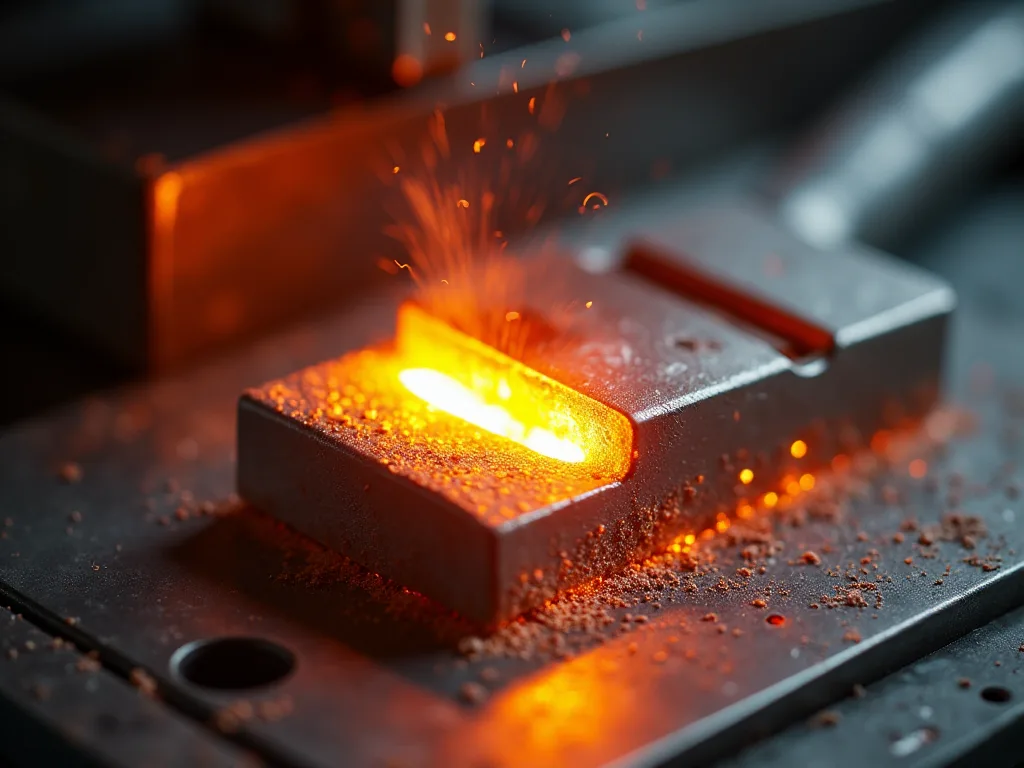
Annealing is a controlled heat treatment process that involves heating a material to a specific elevated temperature, maintaining that temperature for a predetermined period, and then cooling the material at a controlled rate. This seemingly simple process triggers profound changes at the atomic and microstructural levels, fundamentally altering the material's properties. The primary objectives of annealing include relieving internal stresses that accumulate during manufacturing processes such as cold working, reducing hardness to facilitate further processing, enhancing ductility to prevent brittle failure, and improving the uniformity of the material's microstructure.
In the specific case of copper, annealing serves multiple critical functions. When copper undergoes mechanical processing such as rolling, drawing, or forging, significant internal stresses develop within the material's crystal structure. These stresses, combined with the work hardening that occurs during plastic deformation, can make the copper brittle and difficult to work with. Annealing reverses these effects through several metallurgical mechanisms, including recovery, recrystallization, and grain growth. Each of these stages contributes to the restoration of copper's desirable properties, particularly its excellent electrical and thermal conductivity, which can be compromised by excessive dislocation density and lattice distortions.
The annealing process for copper typically occurs at temperatures ranging from 200°C to 650°C, depending on the specific grade of copper, the degree of prior cold work, and the desired final properties. The temperature selection is critical because it determines which metallurgical processes will be activated and to what extent they will proceed. Lower temperatures may only induce recovery, while higher temperatures promote complete recrystallization and subsequent grain growth. The cooling rate following the high-temperature hold is equally important, as rapid cooling can reintroduce stresses, while excessively slow cooling may lead to undesirable grain coarsening or oxidation.
The Microstructure of Copper: Crystal Structure and Grain Characteristics
To fully appreciate the effects of annealing on copper, one must first understand the fundamental microstructural characteristics of this versatile metal. Copper possesses a face-centered cubic (FCC) crystal structure, one of the most common metallic crystal structures, characterized by atoms positioned at each corner of a cube and at the center of each face. This particular atomic arrangement is highly significant because it provides copper with twelve slip systems—combinations of slip planes and slip directions along which dislocations can move relatively easily. This abundance of slip systems is directly responsible for copper's excellent ductility and formability, properties that make it suitable for extensive plastic deformation.
The microstructure of copper is not uniform at the microscopic level but rather consists of numerous individual crystals called grains. Each grain represents a region where the crystal lattice has a consistent orientation, distinct from the orientations of neighboring grains. The boundaries between these grains, known as grain boundaries, are regions of atomic mismatch and disorder where the crystal orientation changes abruptly. These grain boundaries play a crucial role in determining copper's mechanical properties, as they act as barriers to dislocation movement, contributing to the material's strength through a mechanism known as grain boundary strengthening or Hall-Petch strengthening.
The size, shape, and distribution of grains in copper's microstructure are influenced by numerous factors, including the manufacturing method, thermal history, presence of alloying elements or impurities, and any subsequent heat treatment processes. As-cast copper typically exhibits relatively large, equiaxed grains, while cold-worked copper shows elongated, deformed grains with high dislocation density. The grain size in copper can vary dramatically, from less than one micrometer in severely deformed material to several millimeters in extensively annealed samples. This variation in grain size has profound implications for the material's properties, creating opportunities for tailoring copper's characteristics to specific application requirements through controlled processing.
Grain Size and Shape Evolution During Annealing
During the annealing process, copper's grain structure undergoes dramatic transformations that fundamentally alter its mechanical and physical properties. When heavily cold-worked copper is heated to annealing temperatures, the material progresses through distinct metallurgical stages. Initially, during the recovery stage, point defects such as vacancies begin to migrate and annihilate, and dislocations rearrange themselves into lower-energy configurations. This stage occurs at relatively low temperatures and results in modest property changes, primarily a slight reduction in hardness and internal stress without significant changes to the grain structure.
As the temperature increases or the holding time extends, the recrystallization stage begins. This is perhaps the most dramatic transformation in the annealing process. New, strain-free grains nucleate at sites of high stored energy, such as grain boundaries, deformation bands, and regions with high dislocation density. These new grains then grow by consuming the surrounding deformed material, progressively replacing the work-hardened microstructure with fresh, equiaxed grains that contain far fewer dislocations. The recrystallization process effectively "resets" the microstructure, eliminating the effects of cold work and restoring the material's ductility.
Following complete recrystallization, if the material continues to be held at elevated temperature, grain growth occurs. During this stage, larger grains grow at the expense of smaller ones, driven by the thermodynamic tendency to reduce the total grain boundary area and thus the overall energy of the system. This grain coarsening process can continue indefinitely as long as the temperature remains elevated, though the rate of growth decreases with time. The resulting increase in average grain size has important implications for copper's properties: larger grains mean fewer grain boundaries, which reduces the barriers to dislocation movement and generally leads to improved ductility but potentially reduced strength.
The final grain size achieved through annealing depends on several interrelated factors, including the annealing temperature, holding time, initial degree of cold work, and the purity of the copper. Higher temperatures and longer times promote larger grain sizes, while higher initial deformation levels typically result in finer recrystallized grain structures due to the greater number of nucleation sites. The presence of impurities or alloying elements can significantly affect grain growth kinetics, with some elements promoting grain refinement by pinning grain boundaries and others accelerating grain coarsening.
Phase Transformations and Microstructural Features
While pure copper does not undergo phase transformations in the solid state under normal annealing conditions, copper alloys can exhibit complex phase changes that significantly influence their microstructure and properties. Copper alloys, such as brass (copper-zinc), bronze (copper-tin), and copper-nickel alloys, may contain multiple phases depending on their composition and thermal history. Annealing can induce phase transformations in these alloys, leading to the formation, dissolution, or redistribution of secondary phases that profoundly affect mechanical properties.
In brass alloys, for example, the annealing temperature and cooling rate determine whether the material retains a single-phase alpha structure or develops a two-phase alpha-beta microstructure. The beta phase in brass is harder and less ductile than the alpha phase, so controlling its presence through appropriate annealing treatments allows manufacturers to tailor the alloy's properties for specific applications. Similarly, in precipitation-hardenable copper alloys such as copper-beryllium, annealing treatments can be designed to either dissolve precipitates (solution annealing) or promote their formation (aging), providing precise control over strength and conductivity.
Even in high-purity copper, annealing can affect the distribution and morphology of minor phases or inclusions. Oxygen-containing copper, for instance, may contain copper oxide particles that can influence grain boundary mobility and final grain size. Annealing in different atmospheres—oxidizing, reducing, or inert—can alter the chemistry and distribution of these phases, indirectly affecting the material's microstructure and properties. Understanding these subtle effects is crucial for applications where even minor variations in properties can have significant consequences, such as in high-performance electrical conductors or precision electronic components.
Comprehensive Effects of Annealing on Copper Properties
The microstructural changes induced by annealing translate directly into measurable changes in copper's physical, mechanical, and functional properties. Understanding these property changes is essential for selecting appropriate annealing treatments and predicting material performance in service. The effects of annealing on copper properties can be examined across several critical dimensions, each of which plays a vital role in determining the material's suitability for specific applications.
Electrical Conductivity Enhancement
Copper's exceptional electrical conductivity is perhaps its most valued property, making it the material of choice for electrical wiring, power transmission, and electronic applications. Annealing typically produces a significant increase in electrical conductivity, often restoring cold-worked copper to near its theoretical maximum conductivity. This improvement occurs because electrical conductivity in metals is primarily limited by electron scattering events, and dislocations, grain boundaries, and lattice distortions all serve as scattering centers that impede electron flow.
During cold working, copper accumulates high dislocation densities that can reduce electrical conductivity by 5-15% compared to annealed material. When the copper is annealed, the recovery and recrystallization processes dramatically reduce dislocation density, eliminating many of these scattering centers and allowing electrons to flow more freely through the crystal lattice. The resulting improvement in conductivity is particularly important in applications where even small reductions in electrical resistance can translate into significant energy savings or performance improvements, such as in power transmission cables, transformer windings, and high-current electrical busbars.
The relationship between grain size and electrical conductivity in annealed copper is more nuanced than might be expected. While grain boundaries do scatter electrons and thus reduce conductivity, their effect is relatively minor compared to that of dislocations in heavily worked material. Consequently, the grain growth that occurs during extended annealing produces only modest additional improvements in conductivity beyond those achieved through recrystallization. For most practical purposes, the conductivity of fully recrystallized copper is close to the maximum achievable for a given purity level, regardless of grain size within typical ranges.
Thermal Conductivity Improvements
Thermal conductivity in copper follows patterns similar to electrical conductivity, as both properties are governed by similar physical mechanisms. In metals, heat is conducted primarily by free electrons, the same charge carriers responsible for electrical conduction. This fundamental connection is expressed in the Wiedemann-Franz law, which states that the ratio of thermal to electrical conductivity is approximately constant for metals at a given temperature. Consequently, factors that improve electrical conductivity generally also enhance thermal conductivity.
Annealing improves copper's thermal conductivity by reducing the density of crystal defects that scatter heat-carrying electrons. Cold-worked copper, with its high dislocation density and distorted crystal structure, exhibits reduced thermal conductivity compared to annealed material. The recovery and recrystallization processes restore the crystal structure's regularity, allowing more efficient heat transfer through the material. This improvement is particularly valuable in heat exchanger applications, where maximizing heat transfer efficiency directly impacts system performance and energy consumption.
The magnitude of thermal conductivity improvement through annealing depends on the initial degree of cold work and the completeness of recrystallization. Lightly worked copper may show only modest improvements, while heavily deformed material can experience thermal conductivity increases of 10-20% or more after proper annealing. For applications such as heat sinks in electronic devices, refrigeration systems, and industrial heat exchangers, this improvement can significantly enhance performance and efficiency, making annealing an essential processing step for thermal management components.
Mechanical Strength and Hardness Modifications
The effects of annealing on copper's mechanical strength and hardness are complex and depend critically on the specific annealing conditions employed. Cold working increases copper's strength and hardness through work hardening mechanisms, primarily the accumulation of dislocations that impede further plastic deformation. Annealing reverses this strengthening by eliminating dislocations and reducing grain boundary area, generally resulting in softer, weaker material compared to the cold-worked state.
During the recovery stage of annealing, hardness and strength decrease modestly as dislocations rearrange into lower-energy configurations, but the grain structure remains largely unchanged. The most dramatic reduction in strength occurs during recrystallization, when the deformed grain structure is replaced by new, strain-free grains with much lower dislocation density. Fully recrystallized copper typically exhibits tensile strengths in the range of 200-250 MPa, compared to 300-400 MPa or higher for heavily cold-worked material. This strength reduction is often desirable, as it facilitates subsequent forming operations and reduces the risk of brittle failure.
The relationship between grain size and strength in annealed copper follows the Hall-Petch relationship, which predicts that strength increases with decreasing grain size. Consequently, annealing conditions that produce finer recrystallized grain structures will yield somewhat stronger material than conditions that produce coarse grains. However, this grain size effect is relatively modest compared to the strengthening achieved through cold work. Excessive annealing, particularly at very high temperatures or for extended times, can lead to abnormal grain growth, producing extremely coarse grain structures that may exhibit undesirably low strength and poor surface finish after forming operations.
Ductility and Formability Enhancement
Perhaps the most important practical benefit of annealing copper is the dramatic improvement in ductility and formability. Ductility, the ability of a material to undergo extensive plastic deformation before fracture, is essential for manufacturing processes such as drawing, bending, stamping, and deep drawing. Cold-worked copper, despite its increased strength, becomes progressively less ductile as deformation proceeds, eventually reaching a point where further working causes cracking or fracture. Annealing restores ductility by eliminating the accumulated damage from cold work and providing a fresh, strain-free microstructure capable of accommodating further deformation.
The improvement in ductility through annealing is quantified by measurements such as elongation to failure in tensile testing, which can increase from less than 5% in heavily cold-worked copper to 40-50% or more in fully annealed material. This dramatic improvement enables complex forming operations that would be impossible with work-hardened material. In industrial practice, copper products often undergo multiple cycles of cold working and annealing, with each annealing treatment restoring formability and allowing further deformation without failure.
The grain size resulting from annealing has a significant effect on formability characteristics. While finer grains generally provide higher strength, coarser grains often exhibit superior ductility and are less prone to surface roughening during forming operations. For applications requiring extreme deformation, such as deep drawing of copper cups or the production of thin-walled tubing, annealing conditions are often selected to produce relatively large grain sizes that maximize formability, even at some cost in strength. The optimal balance between strength and ductility depends on the specific application requirements and must be carefully considered when designing annealing treatments.
Fatigue Resistance and Durability
Annealing also affects copper's resistance to fatigue failure, a critical consideration for components subjected to cyclic loading. Fatigue cracks typically initiate at surface defects, grain boundaries, or regions of stress concentration, then propagate through the material until catastrophic failure occurs. The relationship between annealing and fatigue resistance is complex and depends on the specific loading conditions and microstructural features.
In some cases, the reduced strength of annealed copper may result in lower fatigue resistance compared to cold-worked material, particularly in high-cycle fatigue where stresses remain below the yield strength. However, annealed copper's superior ductility can improve low-cycle fatigue resistance by allowing greater plastic deformation before crack initiation. Additionally, annealing eliminates residual stresses from cold working, which can either benefit or harm fatigue performance depending on whether the residual stresses are compressive (beneficial) or tensile (detrimental).
The grain size of annealed copper influences fatigue behavior through multiple mechanisms. Finer grains generally provide better fatigue crack initiation resistance due to their higher strength, while coarser grains may offer advantages in crack propagation resistance by reducing the number of grain boundaries that can serve as crack nucleation sites. For critical fatigue applications, annealing treatments are often optimized to produce specific grain sizes and microstructures that provide the best balance of fatigue properties for the expected service conditions.
Critical Factors Influencing Annealing Outcomes
Achieving optimal results from copper annealing requires careful control of multiple process parameters, each of which can significantly influence the final microstructure and properties. Understanding these factors and their interactions is essential for designing effective annealing treatments and ensuring consistent, reproducible results in production environments.
Temperature Selection and Control
Temperature is arguably the most critical parameter in annealing, as it determines which metallurgical processes will occur and how rapidly they will proceed. For copper, the recrystallization temperature—the temperature at which new grains begin to form—depends on the purity of the material and the degree of prior cold work, but typically falls in the range of 200-300°C for heavily worked high-purity copper. Lower temperatures may only induce recovery, while higher temperatures accelerate recrystallization and promote grain growth.
Industrial annealing of copper is typically performed at temperatures between 400°C and 650°C, well above the recrystallization temperature to ensure complete transformation within practical time frames. The specific temperature selected depends on the desired final properties and production constraints. Lower annealing temperatures (400-500°C) produce finer grain structures and require longer processing times, while higher temperatures (550-650°C) result in coarser grains but allow shorter cycle times. For applications requiring maximum electrical conductivity with moderate strength, intermediate temperatures that produce complete recrystallization without excessive grain growth are typically preferred.
Temperature uniformity throughout the material is crucial for achieving consistent properties. Non-uniform heating can result in microstructural gradients, with some regions fully recrystallized and others remaining in the recovered or partially recrystallized state. This heterogeneity can lead to unpredictable mechanical behavior and property variations that may be unacceptable for critical applications. Modern annealing furnaces employ sophisticated temperature control systems and circulation fans to maintain uniform temperatures, but careful attention to furnace loading, heating rates, and temperature monitoring remains essential for quality control.
Time at Temperature
The duration of the annealing treatment, or holding time at the target temperature, works in conjunction with temperature to determine the extent of microstructural evolution. Recrystallization is a time-dependent process that begins with the nucleation of new grains and continues as these grains grow and consume the deformed matrix. The time required for complete recrystallization depends strongly on temperature, with higher temperatures dramatically accelerating the process. At typical industrial annealing temperatures, complete recrystallization of heavily cold-worked copper may occur in minutes to hours.
After recrystallization is complete, continued holding at temperature results in grain growth, with the average grain size increasing progressively with time. The relationship between grain size and annealing time typically follows a parabolic law, with grain size proportional to the square root of time. This means that doubling the grain size requires quadrupling the annealing time, making precise grain size control through time adjustment increasingly difficult for large grain sizes.
In production environments, annealing times must balance metallurgical requirements against economic considerations. Longer annealing times increase energy costs and reduce throughput, while insufficient annealing may result in incomplete recrystallization and inconsistent properties. Many manufacturers use time-temperature combinations that ensure complete recrystallization with modest grain growth, providing a safety margin against process variations while maintaining reasonable cycle times. For applications with specific grain size requirements, careful experimentation and process control are necessary to achieve the desired microstructure consistently.
Cooling Rate Effects
The rate at which copper is cooled from the annealing temperature can significantly influence the final properties, though the effects are generally less dramatic than those of temperature and time. For pure copper, which does not undergo solid-state phase transformations, cooling rate primarily affects the extent of grain growth during cooling and the potential for thermal stress development. Slow cooling allows additional grain growth to occur as the material passes through the temperature range where grain boundary mobility remains significant, potentially resulting in coarser final grain sizes than would be predicted from the isothermal holding period alone.
Rapid cooling, such as water quenching, can effectively "freeze" the microstructure achieved during the isothermal hold, preventing further grain growth and preserving finer grain structures. However, rapid cooling also introduces thermal gradients that can generate residual stresses, particularly in thick sections or complex geometries. These thermal stresses may partially offset the stress relief achieved during annealing and can even cause distortion or cracking in extreme cases. For most copper annealing applications, controlled air cooling or furnace cooling provides an acceptable compromise between preventing excessive grain growth and avoiding thermal stress problems.
In copper alloys, cooling rate can have more pronounced effects, particularly in systems where phase transformations or precipitation reactions occur during cooling. Brass alloys, for example, may develop different phase distributions depending on cooling rate, affecting both mechanical properties and corrosion resistance. Precipitation-hardenable copper alloys require carefully controlled cooling rates to achieve optimal precipitate distributions. Understanding the specific cooling rate requirements for different copper grades and alloys is essential for developing effective annealing procedures.
Atmosphere and Environmental Control
The atmosphere surrounding copper during annealing can profoundly affect both the surface condition and, in some cases, the internal microstructure of the material. Copper is susceptible to oxidation at elevated temperatures, forming copper oxide scales that can compromise surface quality, electrical contact resistance, and subsequent processing operations. The extent of oxidation depends on the oxygen partial pressure in the annealing atmosphere, temperature, and time at temperature.
To minimize oxidation, copper annealing is often performed in controlled atmospheres containing reducing gases such as hydrogen, dissociated ammonia, or forming gas (a mixture of hydrogen and nitrogen). These atmospheres not only prevent oxidation but can actually reduce existing oxide films, producing bright, clean copper surfaces. Alternatively, annealing can be conducted in inert atmospheres such as nitrogen or argon, which prevent oxidation without providing reducing conditions. The choice of atmosphere depends on the initial surface condition, desired final appearance, and economic considerations, as reducing atmospheres are generally more expensive than inert or air atmospheres.
For some applications, particularly those involving oxygen-containing copper grades, the annealing atmosphere can affect internal microstructure by altering the distribution and morphology of copper oxide inclusions. Reducing atmospheres may partially dissolve internal oxides, while oxidizing atmospheres can promote oxide formation or growth. These effects are generally subtle but can influence properties such as hot workability and hydrogen embrittlement resistance. Vacuum annealing represents another option that eliminates oxidation concerns while allowing volatile impurities to be removed from the copper, though the higher cost limits this approach to specialized applications.
Initial Material Condition
The condition of copper prior to annealing significantly influences the annealing response and final properties. The degree of cold work, quantified by the reduction in cross-sectional area during deformation, determines the stored energy available to drive recrystallization. Heavily cold-worked copper (70-90% reduction) contains high dislocation densities and substantial stored energy, resulting in rapid recrystallization with numerous nucleation sites that produce fine recrystallized grain structures. Lightly worked material (10-30% reduction) has less stored energy, fewer nucleation sites, and may recrystallize more slowly to produce coarser grain structures.
The purity of copper also affects annealing behavior. High-purity copper (99.99% or higher) recrystallizes readily and can achieve very high electrical conductivity after annealing. Impurities, even in small amounts, can significantly alter recrystallization kinetics and grain growth behavior. Some impurities, such as phosphorus, are intentionally added to copper to improve certain properties but can retard recrystallization and grain growth by segregating to grain boundaries and reducing their mobility. Other impurities may accelerate or retard recrystallization depending on their specific effects on nucleation and growth processes.
The initial grain structure and texture also influence annealing outcomes. Copper with a strong crystallographic texture from prior processing may develop different recrystallization textures than randomly oriented material, potentially affecting properties such as formability and electrical conductivity in specific directions. Understanding these effects of initial condition allows metallurgists to design integrated processing routes that combine cold working and annealing to achieve specific property combinations tailored to application requirements.
Types of Annealing Treatments for Copper
Different annealing treatments have been developed to achieve specific objectives in copper processing. Understanding these variations allows manufacturers to select the most appropriate treatment for their particular requirements, optimizing properties while minimizing processing costs and time.
Full Annealing
Full annealing, also called recrystallization annealing, is the most common annealing treatment for copper. This process involves heating the material to a temperature well above the recrystallization temperature (typically 500-650°C for copper), holding for sufficient time to ensure complete recrystallization, and then cooling at a controlled rate. Full annealing produces the maximum improvement in ductility and electrical conductivity while reducing hardness and strength to their minimum values for a given grain size.
The primary objective of full annealing is to completely eliminate the effects of cold work, restoring the material to a soft, ductile condition suitable for further forming operations or final use in applications requiring maximum conductivity. The resulting microstructure consists of equiaxed, strain-free grains with low dislocation density. Grain size can be controlled within limits by adjusting the annealing temperature and time, allowing some tailoring of the strength-ductility balance.
Process Annealing
Process annealing, sometimes called intermediate annealing or partial annealing, involves heating to lower temperatures (typically 300-500°C) for shorter times than full annealing. This treatment induces recovery and partial recrystallization, providing moderate improvements in ductility while retaining some of the strength from cold work. Process annealing is often used between stages of cold working when complete softening is not required or desired.
The advantage of process annealing is reduced energy consumption and shorter cycle times compared to full annealing, making it economically attractive for high-volume production. The resulting properties represent a compromise between the high strength of cold-worked material and the high ductility of fully annealed material. Process annealing is particularly useful in wire drawing operations, where multiple passes through dies are interspersed with annealing treatments to maintain sufficient ductility for continued deformation without fully sacrificing the strength gains from work hardening.
Stress Relief Annealing
Stress relief annealing is performed at relatively low temperatures (150-300°C) to reduce residual stresses without causing significant recrystallization or softening. This treatment is valuable for copper components that must retain the strength of cold-worked material but require stress relief to prevent distortion, improve dimensional stability, or reduce the risk of stress corrosion cracking. The low temperatures used in stress relief annealing promote recovery mechanisms that allow stress relaxation through dislocation rearrangement without nucleating new grains.
Stress relief annealing is commonly applied to copper components after machining, welding, or forming operations that introduce significant residual stresses. The treatment improves dimensional stability during subsequent processing or service, reducing the tendency for distortion when material is removed or when the component is exposed to elevated temperatures. While stress relief annealing provides only modest improvements in ductility compared to full annealing, it offers the advantage of maintaining most of the strength from prior cold work.
Bright Annealing
Bright annealing is performed in carefully controlled reducing or inert atmospheres to produce copper with a clean, oxide-free, reflective surface. This treatment combines the metallurgical benefits of conventional annealing with superior surface quality, eliminating the need for subsequent pickling or mechanical cleaning operations. Bright annealing is particularly valuable for electrical components, decorative applications, and products where surface cleanliness is critical for subsequent processing such as plating or soldering.
The atmosphere control required for bright annealing adds complexity and cost compared to conventional annealing in air, but the elimination of cleaning operations and improved surface quality often justify the additional expense. Hydrogen-containing atmospheres are most effective for bright annealing, as they actively reduce copper oxides, but require careful safety precautions due to hydrogen's flammability. Nitrogen-based atmospheres with small hydrogen additions provide a safer alternative while still preventing oxidation and producing acceptable surface brightness.
Industrial Applications of Annealed Copper
Annealed copper finds extensive use across numerous industries, with its enhanced properties making it indispensable for applications ranging from electrical power distribution to architectural elements. Understanding how annealing enables these applications provides insight into the practical importance of this heat treatment process.
Electrical Wiring and Power Distribution
The electrical industry represents the largest consumer of annealed copper, utilizing its exceptional conductivity for power generation, transmission, and distribution systems. Annealed copper wire and cable carry electricity from power plants to homes, businesses, and industrial facilities with minimal energy loss. The high electrical conductivity achieved through proper annealing directly translates into reduced resistive losses, improved energy efficiency, and lower operating temperatures in electrical systems.
Building wire, used for internal electrical wiring in residential and commercial construction, is typically manufactured from annealed copper to ensure maximum conductivity and flexibility. The ductility of annealed copper allows the wire to be bent and routed through complex building structures without cracking or breaking. Power cables for industrial applications, including high-voltage transmission lines, also utilize annealed copper conductors to minimize power losses over long distances. The combination of excellent conductivity, good mechanical properties, and reliable performance makes annealed copper the standard material for electrical conductors worldwide.
Transformer windings represent another critical application where annealed copper's properties are essential. Transformers rely on copper windings to efficiently transfer electrical energy between circuits through electromagnetic induction. The low electrical resistance of annealed copper minimizes energy losses in the windings, improving transformer efficiency and reducing heat generation. The formability of annealed copper also facilitates the winding process, allowing the creation of complex coil geometries required for different transformer designs.
Heat Exchangers and Thermal Management
Annealed copper's excellent thermal conductivity makes it ideal for heat exchanger applications in HVAC systems, refrigeration equipment, and industrial process cooling. Copper heat exchangers efficiently transfer heat between fluids, enabling effective temperature control in applications ranging from residential air conditioning to large-scale industrial processes. The high thermal conductivity of annealed copper allows heat exchangers to be more compact and efficient than those made from alternative materials, reducing system size, weight, and energy consumption.
Copper tubing for heat exchangers is typically manufactured through a process involving cold drawing followed by annealing to restore ductility and optimize thermal properties. The annealing treatment ensures maximum thermal conductivity while providing sufficient formability for bending and shaping the tubing into complex heat exchanger configurations. The corrosion resistance of copper in many environments further enhances its suitability for heat exchanger applications, providing long service life with minimal maintenance.
In electronics cooling applications, annealed copper heat sinks dissipate heat from processors, power electronics, and other heat-generating components. The thermal conductivity of annealed copper allows rapid heat transfer from the component to the heat sink, where it can be removed by air or liquid cooling systems. As electronic devices become more powerful and compact, the thermal management challenges intensify, making the superior thermal properties of annealed copper increasingly valuable for maintaining reliable operation and preventing thermal damage.
Plumbing and Water Distribution Systems
Annealed copper tubing has been a preferred material for plumbing systems for decades, valued for its corrosion resistance, durability, and ease of installation. The ductility of annealed copper allows plumbers to bend tubing to navigate around obstacles and create custom routing without requiring numerous fittings. This formability reduces installation time and cost while minimizing potential leak points in the system. Annealed copper's resistance to corrosion in potable water systems ensures long service life and maintains water quality without introducing harmful contaminants.
Both hard-drawn and annealed copper tubing are used in plumbing applications, with annealed tubing preferred for situations requiring bending and flexibility. Annealed copper tubing is typically supplied in coils, allowing long runs to be installed without joints, further reducing leak potential. The material's ability to withstand repeated freeze-thaw cycles without catastrophic failure provides additional reliability in cold climates, though proper installation practices remain important to prevent damage from freezing.
Medical gas distribution systems in hospitals and healthcare facilities also rely on annealed copper tubing for delivering oxygen, nitrogen, and other gases to patient care areas. The cleanliness, reliability, and joining characteristics of annealed copper make it well-suited for these critical applications where system integrity and purity are paramount. Specialized cleaning and testing procedures ensure that medical gas systems meet stringent safety and performance requirements.
Telecommunications and Data Transmission
Despite the growth of fiber optic communications, annealed copper remains essential for telecommunications infrastructure, particularly for "last-mile" connections to homes and businesses. Copper telephone cables, data cables, and coaxial cables all utilize annealed copper conductors to ensure reliable signal transmission with minimal attenuation. The electrical conductivity of annealed copper enables high-speed data transmission over copper cables, supporting technologies such as DSL internet and Ethernet networking.
Coaxial cables for cable television and broadband internet services use annealed copper for both the center conductor and the outer shield, providing excellent signal transmission characteristics and electromagnetic shielding. The ductility of annealed copper facilitates cable manufacturing and installation, allowing cables to be routed through buildings and underground conduits without damage. As data transmission speeds continue to increase, the quality and conductivity of copper conductors become increasingly important for maintaining signal integrity and minimizing errors.
Printed circuit boards (PCBs) in electronic devices utilize thin layers of annealed copper for electrical traces that interconnect components. The copper is typically deposited through electroplating processes and may undergo annealing treatments to optimize conductivity and adhesion to the substrate. The reliability of these copper traces is critical for electronic device performance, making the quality and properties of the annealed copper essential for modern electronics manufacturing.
Architectural and Decorative Applications
Annealed copper sheet and strip find extensive use in architectural applications, including roofing, facades, gutters, and decorative elements. The formability of annealed copper allows it to be shaped into complex architectural features, while its natural corrosion resistance ensures long-lasting beauty as the copper develops its characteristic patina over time. Copper roofing systems can last for centuries with minimal maintenance, making them a sustainable choice for both historic preservation and new construction.
The ductility of annealed copper enables traditional metalworking techniques such as hand-forming, raising, and chasing, allowing artisans to create custom architectural elements and decorative objects. Modern architectural applications also utilize annealed copper for its aesthetic qualities, with designers appreciating both the warm color of new copper and the distinctive green patina that develops with weathering. The ability to form annealed copper into complex shapes without cracking or tearing makes it particularly valuable for custom architectural projects requiring unique designs.
Interior design applications also benefit from annealed copper's properties, with copper used for countertops, sinks, lighting fixtures, and decorative accents. The antimicrobial properties of copper surfaces provide an additional benefit in applications where hygiene is important, such as in healthcare facilities and food service environments. The combination of aesthetic appeal, formability, and functional benefits makes annealed copper a versatile material for architectural and decorative applications.
Automotive and Transportation
The automotive industry utilizes annealed copper in electrical systems, radiators, and various components where conductivity and formability are required. Modern vehicles contain extensive electrical wiring harnesses that distribute power and signals throughout the vehicle, with annealed copper wire providing the necessary conductivity and flexibility. The trend toward electric vehicles has increased copper usage significantly, as electric motors, battery systems, and charging infrastructure all require substantial amounts of high-conductivity copper.
Automotive radiators and heat exchangers traditionally used copper and brass construction, taking advantage of copper's excellent thermal conductivity for efficient engine cooling. While aluminum has gained market share in recent decades due to weight considerations, copper-brass radiators remain valued for their superior heat transfer performance and durability. Annealed copper tubing in radiators allows the complex bending and forming required for efficient heat exchanger designs while maintaining excellent thermal performance.
Electric vehicle motors and power electronics generate significant heat that must be efficiently removed to maintain performance and reliability. Annealed copper components in cooling systems, busbars, and motor windings enable the high power densities required for modern electric vehicles. As the automotive industry continues its transition toward electrification, the demand for high-quality annealed copper in transportation applications is expected to grow substantially.
Advanced Characterization Techniques for Annealed Copper
Understanding and controlling the annealing process requires sophisticated characterization techniques that can reveal microstructural details and measure property changes. Modern materials science employs a range of analytical methods to study annealed copper, providing insights that guide process optimization and quality control.
Microscopy Techniques
Optical microscopy remains a fundamental tool for examining copper microstructure, allowing visualization of grain size, shape, and distribution. Properly prepared and etched copper samples reveal grain boundaries under optical microscopes, enabling grain size measurements and assessment of microstructural uniformity. Quantitative metallography techniques, including automated image analysis, provide statistical data on grain size distributions and other microstructural features that correlate with material properties.
Electron microscopy techniques, including scanning electron microscopy (SEM) and transmission electron microscopy (TEM), provide much higher resolution views of copper microstructure. SEM can reveal fine details of grain boundary structure, surface features, and the distribution of second-phase particles or inclusions. TEM allows direct observation of dislocations, subgrain structures, and crystallographic features at near-atomic resolution, providing fundamental insights into the mechanisms of recovery, recrystallization, and grain growth during annealing.
Electron backscatter diffraction (EBSD) is a powerful technique that maps crystallographic orientations across copper samples, revealing grain structures, textures, and misorientation relationships. EBSD data provides quantitative information about grain size distributions, texture evolution during annealing, and the presence of special grain boundaries that may influence properties. This technique has become increasingly important for understanding the relationship between processing conditions, microstructure, and properties in annealed copper.
Mechanical Property Testing
Tensile testing is the most common method for evaluating the mechanical properties of annealed copper, providing measurements of yield strength, ultimate tensile strength, elongation, and reduction of area. These properties directly reflect the effects of annealing on microstructure and are critical for determining material suitability for specific applications. Hardness testing, using methods such as Vickers, Brinell, or Rockwell scales, provides a quick assessment of material condition and can be used for quality control and process monitoring.
More specialized mechanical tests can evaluate specific aspects of annealed copper performance. Bend tests assess formability and ductility, particularly important for applications involving severe deformation. Fatigue testing evaluates resistance to cyclic loading, critical for components subjected to repeated stress cycles. Creep testing examines long-term deformation behavior at elevated temperatures, relevant for applications where copper components operate under sustained loads at elevated temperatures.
Electrical and Thermal Property Measurements
Electrical conductivity measurements are essential for verifying that annealing has achieved the desired improvement in conductive properties. Four-point probe methods and eddy current techniques provide accurate, non-destructive measurements of electrical conductivity, allowing quality control testing without damaging products. These measurements can detect incomplete annealing, contamination, or other issues that might compromise electrical performance.
Thermal conductivity measurements, while more complex than electrical conductivity tests, provide important data for heat transfer applications. Various techniques, including laser flash analysis and steady-state methods, can measure thermal conductivity across a range of temperatures. The correlation between electrical and thermal conductivity predicted by the Wiedemann-Franz law can be verified experimentally, providing additional confidence in material quality and properties.
Challenges and Considerations in Copper Annealing
While annealing is a well-established process, several challenges and considerations must be addressed to achieve optimal results consistently. Understanding these issues helps manufacturers develop robust annealing procedures and troubleshoot problems when they arise.
Oxidation and Surface Quality
Copper's susceptibility to oxidation at annealing temperatures presents ongoing challenges for maintaining surface quality. Oxide scales that form during annealing in air can compromise electrical contact resistance, solderability, and appearance. While controlled atmosphere annealing can prevent oxidation, the additional equipment and operating costs must be justified by the value of improved surface quality. For some applications, post-annealing cleaning operations such as pickling in acid solutions can remove oxide scales, though this adds processing steps and generates waste streams requiring proper handling.
The development of oxide-free annealing processes continues to be an area of active research and development. Innovations in atmosphere control, including the use of oxygen sensors and feedback control systems, enable more precise management of oxidation during annealing. Alternative approaches, such as rapid thermal processing that minimizes exposure time at high temperatures, can reduce oxidation while still achieving desired microstructural changes.
Energy Efficiency and Environmental Considerations
Annealing is an energy-intensive process, and improving energy efficiency represents both an economic opportunity and an environmental imperative. Modern annealing furnaces incorporate improved insulation, heat recovery systems, and efficient heating elements to minimize energy consumption. Optimizing annealing cycles to use the minimum time and temperature necessary to achieve desired properties reduces energy use while maintaining product quality.
The environmental impact of annealing extends beyond energy consumption to include emissions from furnace operations and the disposal of cleaning chemicals used to remove oxidation. Transitioning to cleaner energy sources for furnace heating, implementing closed-loop atmosphere recycling systems, and developing alternative cleaning methods can reduce the environmental footprint of copper annealing operations. As sustainability becomes increasingly important in manufacturing, these considerations will likely drive further innovations in annealing technology.
Process Control and Quality Assurance
Maintaining consistent annealing results across production batches requires robust process control and quality assurance systems. Temperature variations within furnaces, differences in material composition or prior processing history, and variations in cooling rates can all affect final properties. Implementing statistical process control methods, conducting regular calibration of furnace equipment, and performing systematic property testing help ensure that annealed copper meets specifications consistently.
Advanced process monitoring technologies, including real-time temperature mapping, atmosphere composition monitoring, and in-line property testing, enable tighter control of annealing operations. Data analytics and machine learning approaches can identify subtle patterns in process data that correlate with property variations, enabling predictive maintenance and process optimization. As Industry 4.0 technologies become more prevalent in manufacturing, the integration of these advanced monitoring and control capabilities will likely improve the consistency and efficiency of copper annealing operations.
Future Trends and Innovations in Copper Annealing
The field of copper annealing continues to evolve, driven by demands for improved properties, greater efficiency, and enhanced sustainability. Several emerging trends and innovations promise to advance the state of the art in copper heat treatment.
Rapid Thermal Processing
Rapid thermal processing techniques, which use very high heating rates to quickly bring copper to annealing temperature, hold promise for reducing cycle times and energy consumption. These methods can achieve complete recrystallization in seconds to minutes rather than the hours required by conventional annealing, potentially revolutionizing production efficiency. The challenge lies in achieving uniform heating throughout the material and controlling grain size, as the rapid processing may produce different microstructures than conventional annealing.
Induction heating, laser processing, and other advanced heating methods enable localized or selective annealing, allowing different regions of a component to be treated differently. This capability could enable the creation of copper components with tailored property gradients, combining high strength in some regions with maximum conductivity or formability in others. Such functionally graded materials could offer performance advantages in applications where uniform properties are not optimal.
Computational Modeling and Simulation
Advanced computational models that simulate microstructural evolution during annealing are becoming increasingly sophisticated and accurate. These models, based on fundamental physical principles and validated against experimental data, can predict the effects of different annealing conditions on grain size, texture, and properties. Such predictive capabilities enable virtual optimization of annealing processes, reducing the need for extensive experimental trials and accelerating process development.
Integration of computational models with process control systems could enable real-time optimization of annealing operations, automatically adjusting parameters to compensate for variations in material condition or furnace performance. Machine learning algorithms trained on historical process data could identify optimal annealing strategies for different copper grades and product requirements, continuously improving process efficiency and consistency.
Novel Copper Alloys and Nanostructured Materials
The development of new copper alloys with enhanced properties creates new challenges and opportunities for annealing. Alloys designed to combine high strength with good conductivity, such as copper-chromium-zirconium alloys, require carefully tailored annealing treatments to achieve optimal precipitation and microstructure. Understanding how annealing affects these advanced alloys requires fundamental research into phase transformations, precipitation kinetics, and structure-property relationships.
Nanostructured copper materials, with grain sizes in the nanometer range, exhibit exceptional strength but often suffer from reduced ductility and conductivity. Developing annealing strategies that can improve ductility and conductivity while maintaining fine grain structures represents a significant challenge. Controlled grain growth to produce ultrafine-grained (rather than nanocrystalline) structures may offer an attractive compromise, providing improved ductility while retaining much of the strength benefit of fine grains.
Comparative Analysis: Annealed vs. Cold-Worked Copper
Understanding the differences between annealed and cold-worked copper helps clarify when each condition is most appropriate. Cold-worked copper offers higher strength and hardness, making it suitable for applications requiring structural integrity or wear resistance. However, this strength comes at the cost of reduced ductility, lower electrical and thermal conductivity, and the presence of residual stresses that may cause dimensional instability.
Annealed copper, in contrast, provides maximum ductility and conductivity but lower strength. This condition is ideal for applications requiring extensive forming, maximum electrical or thermal performance, or freedom from residual stresses. The choice between annealed and cold-worked copper depends on the specific requirements of each application, with many products using a combination of both conditions in different regions or at different stages of manufacturing.
Some applications benefit from intermediate conditions achieved through partial annealing or controlled cold working after annealing. These approaches allow fine-tuning of the strength-ductility-conductivity balance to match specific requirements. Understanding the full range of possible property combinations and how to achieve them through appropriate processing enables optimal material selection and performance.
Standards and Specifications for Annealed Copper
Various international standards define requirements for annealed copper in different forms and applications. ASTM International, the International Electrotechnical Commission (IEC), and other standards organizations publish specifications that establish minimum conductivity, mechanical property ranges, and other requirements for annealed copper products. These standards ensure that materials meet minimum performance criteria and provide a common basis for communication between suppliers and customers.
Common copper temper designations include O (annealed), H (hard or cold-worked), and various intermediate conditions. The O temper designation indicates fully annealed material with maximum ductility and conductivity. Understanding these standardized designations and the associated property ranges helps engineers select appropriate materials and communicate requirements clearly. Compliance with relevant standards is often mandatory for products used in regulated industries such as electrical power distribution, building construction, and pressure vessel fabrication.
Quality assurance testing to verify compliance with standards typically includes measurements of electrical conductivity, tensile properties, grain size, and other characteristics specified in the relevant standard. Certification documents provided with annealed copper products attest to compliance with specified requirements, providing traceability and assurance of material quality. For critical applications, additional testing beyond standard requirements may be necessary to ensure that material properties meet specific performance needs.
Practical Guidelines for Annealing Copper
For manufacturers and processors working with copper, several practical guidelines can help ensure successful annealing operations. First, clearly define the objectives of annealing in terms of desired final properties, considering the specific application requirements and any subsequent processing operations. This clarity helps in selecting appropriate annealing parameters and evaluating whether the treatment has achieved its goals.
Second, carefully control all critical process parameters, including temperature, time, cooling rate, and atmosphere. Invest in reliable temperature measurement and control equipment, and establish procedures for regular calibration and maintenance. Document process parameters for each batch to enable traceability and facilitate troubleshooting if property issues arise.
Third, implement systematic quality control testing to verify that annealed copper meets specifications. At minimum, this should include hardness testing and electrical conductivity measurements, with periodic tensile testing and microstructural examination to confirm that the annealing process is producing the expected results. Statistical process control methods can help identify trends that might indicate process drift before out-of-specification material is produced.
Fourth, consider the total cost of annealing, including energy consumption, atmosphere gases, equipment maintenance, and quality control testing. Optimize annealing cycles to achieve required properties with minimum time and temperature, reducing energy costs while maintaining quality. Evaluate whether controlled atmosphere annealing is justified by the value of improved surface quality, or whether post-annealing cleaning is more economical.
Finally, stay informed about advances in annealing technology and best practices through participation in industry associations, attendance at technical conferences, and review of technical literature. The field of copper metallurgy continues to advance, and new techniques or insights may offer opportunities for improving annealing operations, reducing costs, or enhancing product quality.
Conclusion: The Enduring Importance of Annealing in Copper Processing
Annealing remains an indispensable process in copper manufacturing and processing, enabling the optimization of microstructure and properties for diverse applications. The profound effects of annealing on copper's grain structure, dislocation density, and resulting mechanical and physical properties make it a powerful tool for tailoring material characteristics to specific requirements. From maximizing electrical conductivity in power transmission cables to enhancing formability for architectural applications, annealing plays a critical role in realizing copper's full potential.
The relationship between annealing conditions and copper properties is complex, involving multiple interacting factors and competing effects. Understanding these relationships requires knowledge of fundamental metallurgical principles, practical experience with processing operations, and often sophisticated characterization techniques. Engineers and metallurgists who master these aspects can design annealing treatments that achieve optimal property combinations while minimizing processing costs and environmental impacts.
As technology advances and new applications emerge, the demands on copper materials continue to evolve. Higher electrical conductivity for more efficient power systems, improved formability for complex manufacturing processes, and enhanced sustainability in production operations all drive ongoing innovation in copper annealing. The development of advanced annealing techniques, improved process control methods, and novel copper alloys promises to expand the capabilities and applications of this ancient but still essential metal.
The balance between electrical and thermal conductivity, mechanical strength, and ductility achieved through proper annealing is essential for copper's effective use in modern technology. Whether in the electrical grid that powers our homes and businesses, the heat exchangers that enable efficient climate control, the plumbing systems that deliver clean water, or the countless electronic devices that have become integral to daily life, annealed copper plays a vital but often invisible role. Understanding and optimizing the annealing process ensures that copper continues to meet the demanding requirements of these applications, supporting technological progress and improving quality of life.
For those working with copper in any capacity—from materials scientists developing new alloys to engineers designing products to manufacturers processing copper into finished goods—a thorough understanding of annealing and its effects on microstructure and properties is invaluable. This knowledge enables informed decision-making about material selection, processing routes, and quality control, ultimately leading to better products, more efficient manufacturing, and more successful applications of this remarkable metal. As we look to the future, with its challenges of sustainability, energy efficiency, and technological advancement, the role of properly annealed copper in addressing these challenges will only grow in importance.
For further reading on copper metallurgy and heat treatment processes, the Copper Development Association provides extensive technical resources and industry information. Additional insights into materials science and metallurgical processes can be found through ASM International, the professional organization for materials engineers and scientists. The ASTM International website offers access to standards and specifications for copper and copper alloy products. For those interested in the latest research developments, the Minerals, Metals & Materials Society publishes journals and hosts conferences covering advances in copper processing and applications. These resources provide valuable information for anyone seeking to deepen their understanding of copper annealing and its role in modern materials technology.