Table of Contents
Wear resistance stands as one of the most critical performance characteristics in modern materials science and engineering. From the turbine blades powering commercial aircraft to the cutting tools shaping manufactured goods, the ability of materials to withstand surface degradation directly impacts operational efficiency, safety, and economic viability. Surface treatments have emerged as indispensable technologies for enhancing wear resistance, offering engineers and designers powerful methods to extend component lifespans, reduce maintenance requirements, and improve overall system performance. This comprehensive exploration examines the multifaceted world of surface treatments, their mechanisms, applications, and the future directions shaping this essential field of materials engineering.
Understanding Wear Resistance and Its Importance
Wear resistance describes a material's capacity to withstand mechanical action that progressively removes material from its surface through various mechanisms. This fundamental property determines how long components can maintain their dimensional accuracy, functional performance, and structural integrity under operating conditions. The significance of wear resistance extends across virtually every industrial sector, affecting everything from manufacturing productivity to consumer product durability.
The economic implications of inadequate wear resistance are substantial. Premature component failure leads to unplanned downtime, costly replacements, and potential safety hazards. In industrial settings, worn components can compromise product quality, increase energy consumption, and create cascading failures throughout complex systems. Understanding and optimizing wear resistance through surface treatments represents a strategic approach to addressing these challenges while maximizing return on investment in equipment and infrastructure.
Fundamental Factors Influencing Wear Resistance
Multiple interconnected factors determine a material's wear resistance characteristics. Material composition forms the foundation, with different alloys, polymers, ceramics, and composites exhibiting vastly different wear behaviors. The atomic structure, bonding characteristics, and phase composition all contribute to how materials respond to wear-inducing forces.
Surface hardness represents one of the most influential parameters affecting wear resistance. Harder surfaces generally resist penetration and deformation by abrasive particles or contact surfaces, reducing material removal rates. However, hardness alone does not guarantee superior wear resistance, as excessively hard but brittle materials may fracture under impact or cyclic loading conditions.
Surface finish quality significantly impacts wear behavior by influencing contact mechanics, friction coefficients, and stress distributions. Smoother surfaces typically reduce adhesive wear by minimizing asperity contact and cold welding between mating surfaces. Conversely, certain applications benefit from controlled surface roughness that promotes lubrication retention or provides specific tribological characteristics.
Environmental conditions profoundly affect wear mechanisms and rates. Temperature extremes can alter material properties, accelerate oxidation, or change lubrication effectiveness. Corrosive environments may combine chemical attack with mechanical wear, creating synergistic degradation that exceeds the sum of individual effects. Humidity, contaminant particles, and atmospheric composition all modify wear behavior in application-specific ways.
Types and Mechanisms of Wear
Adhesive wear occurs when surfaces in sliding contact form localized bonds at asperity junctions. As surfaces move relative to each other, these bonds fracture, transferring material from one surface to another. This mechanism dominates in metal-to-metal contact situations with inadequate lubrication and can lead to severe surface damage and seizure in extreme cases.
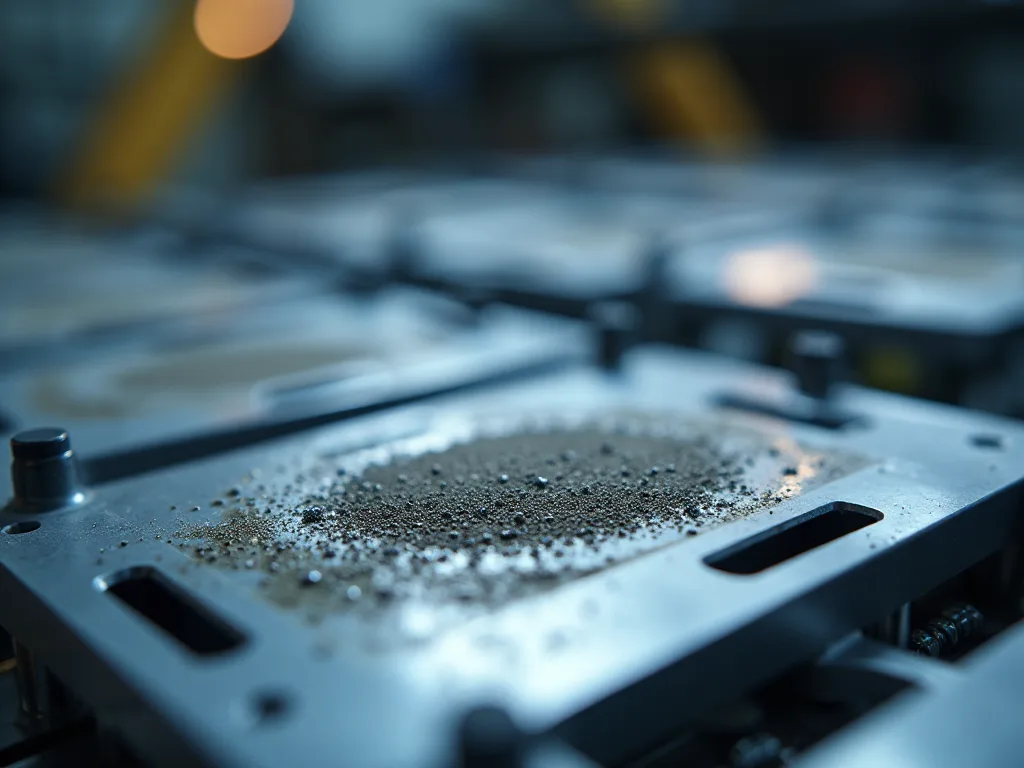
Abrasive wear results from hard particles or protuberances plowing through softer surfaces, removing material through cutting, plowing, or fracture mechanisms. Two-body abrasion involves hard asperities on one surface abrading a softer mating surface, while three-body abrasion occurs when loose particles become trapped between surfaces. This wear mode commonly affects mining equipment, agricultural machinery, and material processing systems.
Erosive wear develops when solid particles or liquid droplets impact surfaces at various angles and velocities. The kinetic energy of impacting particles removes material through cutting, deformation, or fatigue mechanisms. Erosion particularly challenges components in fluid handling systems, pneumatic conveyors, and turbomachinery exposed to particle-laden flows.
Fatigue wear manifests through repeated cyclic loading that initiates and propagates subsurface cracks, eventually leading to material detachment as wear particles. Rolling contact bearings, gears, and cam followers commonly experience this wear mode. Surface and subsurface stress distributions, material microstructure, and loading conditions all influence fatigue wear progression.
Corrosive wear combines chemical or electrochemical attack with mechanical wear processes. The corrosion products formed on surfaces may be softer than the base material and more easily removed by mechanical action, accelerating overall degradation. This synergistic effect makes corrosive wear particularly damaging in marine environments, chemical processing facilities, and other aggressive service conditions.
Comprehensive Overview of Surface Treatment Methods
Surface treatment technologies encompass a diverse array of processes designed to modify surface properties without fundamentally altering bulk material characteristics. These methods enable engineers to optimize surface performance independently from core structural requirements, creating components with tailored property gradients that maximize overall functionality.
Hard Coating Technologies
Hard coatings represent thin films applied to substrate surfaces to dramatically increase surface hardness, reduce friction, and enhance wear resistance. Physical vapor deposition (PVD) processes create coatings by condensing vaporized coating materials onto substrates in vacuum environments. Common PVD coatings include titanium nitride (TiN), titanium carbonitride (TiCN), and chromium nitride (CrN), which provide exceptional hardness values often exceeding 2000 HV.
Chemical vapor deposition (CVD) produces coatings through chemical reactions between gaseous precursors at elevated temperatures. CVD coatings typically exhibit excellent adhesion and uniform coverage on complex geometries. Diamond and diamond-like carbon (DLC) coatings created through CVD processes offer extraordinary hardness and low friction coefficients, making them ideal for cutting tools and precision components.
Ceramic coatings provide outstanding wear resistance combined with thermal insulation properties. Aluminum oxide, zirconium oxide, and chromium oxide coatings protect components from extreme temperatures while resisting abrasive and erosive wear. These coatings find extensive application in thermal barrier systems, wear-resistant components, and corrosion protection applications.
Thermal Spray Processes
Thermal spraying encompasses a family of processes that deposit molten or semi-molten materials onto substrates to build up protective or functional coatings. Plasma spraying utilizes extremely high-temperature plasma jets to melt coating materials and propel them toward substrates at high velocities. This versatile process can deposit metals, ceramics, and composite materials with coating thicknesses ranging from micrometers to several millimeters.
High-velocity oxygen fuel (HVOF) spraying achieves superior coating density and adhesion by accelerating molten particles to supersonic velocities. HVOF coatings exhibit minimal porosity, excellent bond strength, and outstanding wear resistance. Tungsten carbide-cobalt coatings applied via HVOF provide exceptional abrasion resistance for applications in oil and gas drilling, pulp and paper processing, and aerospace components.
Cold spray technology represents an innovative approach that deposits solid-state particles without melting, avoiding thermal degradation and oxidation issues. The kinetic energy of high-velocity particle impact creates metallurgical bonding through severe plastic deformation. Cold spray excels at depositing oxygen-sensitive materials, repairing damaged components, and creating thick coatings with minimal residual stress.
Electrochemical Plating Methods
Electroplating deposits metallic coatings through electrochemical reduction of metal ions from solution onto conductive substrates. Hard chrome plating produces dense, wear-resistant coatings with excellent corrosion protection and low friction characteristics. Despite environmental concerns regarding hexavalent chromium, hard chrome remains widely used for hydraulic cylinders, molds, and precision components requiring exceptional surface properties.
Electroless nickel plating creates uniform coatings on complex geometries without requiring electrical current. The autocatalytic deposition process produces amorphous nickel-phosphorus alloys with hardness values comparable to hardened steel. Heat treatment can further increase hardness through precipitation of nickel phosphide phases, enhancing wear resistance for applications in automotive, electronics, and oil and gas industries.
Composite electroplating incorporates hard particles such as silicon carbide, aluminum oxide, or diamond into metallic matrices during deposition. These composite coatings combine the wear resistance of ceramic particles with the toughness and adhesion of metallic binders, creating surfaces optimized for severe abrasive conditions.
Thermochemical Diffusion Treatments
Carburizing enriches the surface layers of low-carbon steels with carbon through diffusion at elevated temperatures. The carbon-enriched case can be hardened through subsequent quenching, creating a hard, wear-resistant surface supported by a tough, ductile core. Gas carburizing, vacuum carburizing, and plasma carburizing variants offer different advantages regarding process control, environmental impact, and treatment uniformity.
Nitriding introduces nitrogen into steel surfaces, forming hard nitride compounds without requiring quenching. Gas nitriding, plasma nitriding, and salt bath nitriding processes create extremely hard surface layers with excellent fatigue resistance and dimensional stability. The relatively low processing temperatures minimize distortion, making nitriding ideal for precision components and complex geometries.
Carbonitriding combines carbon and nitrogen diffusion to produce hard, wear-resistant cases with improved fatigue properties compared to carburizing alone. This process offers flexibility in case depth and hardness profiles while maintaining good core toughness. Carbonitriding particularly benefits components subjected to combined rolling and sliding contact conditions.
Boriding creates extremely hard boride layers on steel, titanium, and nickel alloy surfaces through boron diffusion. Boride compounds exhibit exceptional hardness, often exceeding 2000 HV, along with excellent abrasion and adhesive wear resistance. The brittle nature of boride layers requires careful application selection, but properly implemented boriding provides outstanding performance in severe wear environments.
Laser Surface Modification
Laser surface hardening rapidly heats surface layers above transformation temperatures, followed by self-quenching as heat conducts into the cooler substrate. This localized treatment creates hardened zones with minimal distortion and heat-affected zone depth. Precise control over laser parameters enables selective hardening of specific features while leaving other areas unaffected, optimizing component performance and manufacturing efficiency.
Laser cladding deposits wear-resistant alloys onto substrate surfaces using focused laser energy to melt both coating material and a thin substrate layer. The resulting metallurgical bond provides excellent adhesion while allowing deposition of materials incompatible with substrate compositions. Laser cladding repairs worn components, applies site-specific wear protection, and creates functionally graded materials with optimized property distributions.
Laser surface texturing creates controlled micro-scale patterns that modify tribological behavior, enhance lubrication retention, and reduce friction. Dimples, grooves, and other geometric features can be precisely positioned to optimize performance for specific operating conditions. This technology finds growing application in automotive engines, mechanical seals, and biomedical implants where controlled surface topography improves functionality.
Ion Implantation and Beam Technologies
Ion implantation accelerates ions to high energies and embeds them into surface layers, modifying composition and structure without depositing discrete coatings. This process creates extremely hard surface layers with excellent adhesion since no interface exists between treated and untreated regions. Nitrogen ion implantation significantly improves wear and fatigue resistance of titanium alloys, stainless steels, and tool steels for medical, aerospace, and tooling applications.
Electron beam surface modification uses focused electron beams to rapidly heat and melt surface layers, enabling surface alloying, hardening, and microstructure refinement. The high energy density and precise control facilitate treatment of localized areas with minimal thermal distortion. Electron beam processing creates fine-grained, homogeneous surface structures with enhanced mechanical properties.
Mechanisms of Wear Resistance Enhancement Through Surface Treatments
Surface treatments improve wear resistance through multiple complementary mechanisms that address different aspects of tribological performance. Understanding these mechanisms enables informed selection and optimization of treatments for specific applications and operating conditions.
Hardness Enhancement and Load-Bearing Capacity
Increased surface hardness represents the most direct mechanism for improving wear resistance. Harder surfaces resist penetration by abrasive particles and opposing asperities, reducing material removal rates through cutting and plowing mechanisms. The relationship between hardness and abrasive wear resistance generally follows a linear correlation, with wear resistance increasing proportionally to hardness for many material systems.
However, the hardness-wear resistance relationship becomes more complex when considering different wear mechanisms and loading conditions. Excessive hardness without adequate toughness can lead to brittle fracture and spalling under impact or cyclic loading. Optimal wear resistance often requires balancing hardness with fracture toughness, creating surfaces that resist both plastic deformation and crack propagation.
Surface treatments create hardness gradients that distribute loads effectively between hard surface layers and tougher substrates. This gradient structure prevents catastrophic failure by arresting cracks at the interface between hard and soft regions while maintaining surface hardness for wear resistance. The depth and profile of hardness gradients can be tailored to match specific loading conditions and component geometries.
Friction Reduction and Tribological Optimization
Many surface treatments reduce friction coefficients between contacting surfaces, decreasing the tangential forces that drive wear processes. Low-friction coatings such as diamond-like carbon, molybdenum disulfide, and PTFE-based composites minimize adhesive wear by preventing cold welding and material transfer between surfaces. Reduced friction also lowers contact temperatures, preventing thermal degradation and maintaining lubrication effectiveness.
Surface smoothness achieved through certain treatments reduces real contact area and asperity interaction, lowering friction and wear rates. Polished or super-finished surfaces combined with appropriate coatings can achieve friction coefficients below 0.1 in some applications, dramatically extending component life and improving energy efficiency. The synergistic effects of surface finish and coating properties must be considered together for optimal tribological performance.
Self-lubricating surface treatments incorporate solid lubricants or create surface structures that retain liquid lubricants effectively. Laser texturing, for example, creates micro-reservoirs that store lubricant and release it gradually during operation, maintaining boundary lubrication even under severe conditions. These engineered surfaces reduce dependence on external lubrication systems and enable operation in environments where conventional lubricants fail.
Toughness and Impact Resistance Improvement
Certain surface treatments enhance material toughness by refining microstructures, introducing compressive residual stresses, or creating composite structures with optimized phase distributions. Shot peening, for instance, induces beneficial compressive stresses that resist crack initiation and propagation, improving both fatigue life and impact resistance. These compressive stresses must penetrate sufficiently deep to prevent subsurface crack formation under cyclic loading.
Gradient structures created by diffusion treatments provide smooth transitions between hard surfaces and tough cores, eliminating abrupt property changes that concentrate stresses. This gradual transition distributes impact energy over larger volumes, preventing localized failure and maintaining surface integrity under shock loading. The optimization of gradient profiles represents a critical design parameter for components experiencing variable loading conditions.
Corrosion Protection and Environmental Resistance
Surface treatments provide barriers against corrosive environments, preventing the synergistic degradation that occurs when corrosion and wear act simultaneously. Dense, non-porous coatings isolate substrates from aggressive media, eliminating electrochemical reactions that weaken surfaces and accelerate mechanical wear. The integrity of this barrier function depends critically on coating continuity, adhesion, and resistance to mechanical damage during service.
Certain treatments create passive oxide layers or convert surface materials into corrosion-resistant compounds. Anodizing aluminum, for example, produces thick, hard aluminum oxide layers that provide both wear and corrosion resistance. These conversion coatings integrate seamlessly with substrate materials, offering excellent adhesion and durability in harsh environments.
High-temperature oxidation resistance provided by specialized coatings prevents scale formation and surface degradation in elevated-temperature applications. Thermal barrier coatings and oxidation-resistant bond coats protect turbine components, exhaust systems, and heat treatment fixtures from combined thermal and mechanical degradation. The thermal expansion compatibility between coatings and substrates becomes critical for maintaining coating integrity through thermal cycling.
Industry-Specific Applications of Surface Treatments
Surface treatment technologies find application across virtually every industrial sector, with specific processes and materials selected to address unique performance requirements and operating conditions. The following sections explore how different industries leverage surface treatments to solve wear-related challenges and optimize component performance.
Aerospace and Aviation Applications
The aerospace industry demands exceptional performance under extreme conditions, making advanced surface treatments essential for component reliability and safety. Turbine blades in jet engines experience temperatures exceeding 1000°C combined with high-velocity gas flows containing abrasive particles. Thermal barrier coatings applied through plasma spraying or electron beam physical vapor deposition protect blade substrates while allowing operation at temperatures that would otherwise cause rapid degradation.
Landing gear components require surface treatments that provide wear resistance, corrosion protection, and fatigue strength. Hard chrome plating has traditionally served this role, though environmental regulations are driving adoption of alternative technologies such as HVOF thermal spray coatings and advanced electroless nickel systems. These treatments must withstand repeated impact loading, exposure to hydraulic fluids, and environmental corrosion throughout decades of service life.
Aerospace fasteners and threaded connections benefit from solid film lubricants and low-friction coatings that prevent galling and seizure during assembly and disassembly. Molybdenum disulfide, PTFE-based coatings, and specialized dry film lubricants enable reliable torque-tension relationships and facilitate maintenance operations. The vacuum stability and temperature resistance of these coatings must meet stringent aerospace specifications for space and high-altitude applications.
Automotive Industry Solutions
Automotive applications span a wide range of operating conditions and performance requirements, from engine components experiencing high temperatures and pressures to chassis parts subjected to corrosive road environments. Engine cylinder bores increasingly receive thermal spray coatings or plasma-transferred wire arc coatings that reduce friction, improve fuel efficiency, and enable lightweight engine block designs. These coatings must maintain integrity through millions of piston cycles while resisting thermal and mechanical stresses.
Piston rings utilize PVD coatings such as chromium nitride or diamond-like carbon to minimize friction losses and reduce oil consumption. The low friction coefficients achieved by these coatings contribute measurably to improved fuel economy while extending ring life and reducing emissions. Coating adhesion and thermal stability represent critical performance factors given the severe operating environment within combustion chambers.
Transmission components including gears, shafts, and synchronizers employ case hardening treatments such as carburizing and carbonitriding to achieve optimal combinations of surface hardness and core toughness. These treatments enable components to withstand high contact stresses and cyclic loading while maintaining dimensional stability and fatigue resistance. Advanced variants such as low-pressure carburizing and high-pressure gas quenching minimize distortion and improve process efficiency for high-volume production.
Brake system components benefit from various surface treatments depending on specific requirements. Brake discs may receive thermal spray coatings to improve wear resistance and thermal management, while caliper pistons utilize hard chrome or electroless nickel plating for corrosion protection and smooth operation. The demanding thermal cycling and corrosive environment of brake systems require treatments with exceptional adhesion and thermal shock resistance.
Manufacturing and Tooling Applications
Cutting tools represent one of the most demanding applications for wear-resistant surface treatments. Cemented carbide inserts receive multilayer PVD or CVD coatings combining different materials to optimize performance. A typical coating architecture might include a titanium nitride adhesion layer, an aluminum oxide wear-resistant layer, and a titanium carbonitride top layer for toughness. These sophisticated coating systems enable dramatic increases in cutting speeds, feed rates, and tool life compared to uncoated tools.
Forming dies and stamping tools utilize various surface treatments to resist abrasive wear from sheet metal and reduce friction during forming operations. Nitriding, PVD coating, and laser hardening extend die life and improve part quality by maintaining dimensional accuracy throughout production runs. The ability to selectively treat high-wear areas while leaving other regions softer for shock absorption optimizes overall die performance and longevity.
Plastic injection molds benefit from surface treatments that provide wear resistance, corrosion protection, and release properties. Electroless nickel plating with PTFE particles creates surfaces that resist wear from abrasive fillers while facilitating part ejection. Hard chrome plating and PVD coatings protect molds processing corrosive materials such as PVC or flame-retardant compounds. The mirror-finish surfaces achievable with certain treatments directly transfer to molded parts, eliminating secondary polishing operations.
Medical and Biomedical Implementations
Medical implants require surface treatments that combine wear resistance with biocompatibility, corrosion resistance, and osseointegration properties. Hip and knee replacement components utilize various approaches including ion implantation, ceramic coatings, and specialized bearing surfaces. Highly crosslinked polyethylene articulating against ceramic femoral heads or oxidized zirconium surfaces provides exceptional wear resistance, minimizing the generation of wear particles that can trigger adverse biological responses.
Titanium dental implants receive surface treatments that enhance bone integration while maintaining corrosion resistance in the oral environment. Anodization, grit blasting, and acid etching create controlled surface roughness and chemistry that promote cellular attachment and bone growth. These treatments must maintain their properties throughout decades of service while resisting the complex biological and mechanical challenges of the oral cavity.
Surgical instruments benefit from surface treatments that provide wear resistance, corrosion protection, and ease of sterilization. Titanium nitride coatings on scissors, forceps, and other instruments improve hardness and reduce friction while providing distinctive gold coloration for easy identification. The treatments must withstand repeated autoclaving cycles and exposure to cleaning chemicals without degradation or delamination.
Energy Sector Applications
Oil and gas drilling equipment operates in extremely abrasive environments containing sand, rock cuttings, and corrosive fluids. Drill bits, stabilizers, and downhole tools receive HVOF tungsten carbide coatings, hardfacing alloys, or polycrystalline diamond compact inserts to withstand these severe conditions. The treatments must maintain integrity under high contact stresses, elevated temperatures, and corrosive downhole environments while maximizing drilling efficiency and minimizing non-productive time.
Power generation equipment including steam and gas turbines utilizes advanced coating systems for erosion and corrosion protection. Compressor blades receive erosion-resistant coatings to protect against damage from airborne particles, while turbine blades employ thermal barrier coatings and oxidation-resistant bond coats. The coating systems must survive thousands of thermal cycles and extended high-temperature exposure while maintaining protective properties.
Wind turbine components face unique challenges from variable loading, environmental exposure, and maintenance accessibility constraints. Gearbox components receive case hardening treatments and specialized coatings to maximize reliability and service intervals. Bearing surfaces utilize advanced treatments that resist micropitting and white etching crack formation, failure modes that have challenged wind turbine reliability. The treatments must perform reliably for 20-year design lives with minimal maintenance intervention.
Mining and Heavy Equipment Uses
Mining equipment encounters some of the most severe abrasive wear conditions in industrial applications. Crusher components, grinding mill liners, and excavator teeth utilize hardfacing alloys, chromium carbide overlays, and ceramic composite coatings to extend service life in highly abrasive ore processing environments. The treatments must resist impact loading combined with severe abrasion while maintaining cost-effectiveness for large-scale applications.
Hydraulic cylinders and rams in heavy equipment receive hard chrome plating or thermal spray coatings to provide wear resistance and corrosion protection. These components must maintain tight tolerances and seal integrity throughout extended service in contaminated environments. Alternative coating technologies such as HVOF chrome carbide are increasingly replacing traditional hard chrome to address environmental and performance requirements.
Consumer Products and Everyday Applications
Consumer cookware utilizes various surface treatments to provide non-stick properties, wear resistance, and aesthetic appeal. Traditional PTFE coatings are being supplemented or replaced by ceramic-based coatings and sol-gel systems that offer improved scratch resistance and higher temperature capability. These treatments must withstand repeated thermal cycling, mechanical abrasion from utensils, and cleaning operations while maintaining food safety and performance.
Hand tools and power tool accessories receive surface treatments that enhance durability and performance. Drill bits and saw blades utilize titanium nitride or titanium aluminum nitride coatings to reduce friction, increase hardness, and improve heat resistance. The distinctive coloration of these coatings also serves marketing purposes, signaling premium performance to consumers. Garden tools, scissors, and knives benefit from similar treatments that extend sharpness retention and resist corrosion from environmental exposure.
Electronic device housings and components increasingly employ surface treatments for both functional and aesthetic purposes. Anodized aluminum provides wear and corrosion resistance while enabling diverse color options for smartphones, tablets, and laptops. PVD coatings create durable, scratch-resistant finishes on watch cases, eyeglass frames, and other consumer products where appearance and durability both matter. These treatments must survive daily handling and environmental exposure while maintaining visual appeal throughout product lifetimes.
Selection Criteria for Surface Treatment Technologies
Selecting appropriate surface treatments requires systematic evaluation of multiple technical, economic, and practical factors. The optimal choice depends on specific application requirements, operating conditions, substrate materials, and manufacturing constraints. A structured selection process ensures treatments deliver required performance while maintaining cost-effectiveness and manufacturability.
Technical Performance Requirements
The dominant wear mechanism in a given application fundamentally influences treatment selection. Abrasive wear environments favor hard coatings or surface hardening treatments that resist penetration and cutting. Adhesive wear conditions benefit from low-friction coatings that prevent cold welding and material transfer. Erosive wear applications require tough, impact-resistant treatments that absorb particle kinetic energy without fracturing. Identifying the primary wear mechanism through testing or experience with similar applications guides initial treatment selection.
Operating temperature ranges significantly constrain treatment options. Many organic coatings and some metallic platings degrade above 200-300°C, while ceramic coatings and diffusion treatments maintain properties at much higher temperatures. Thermal cycling frequency and magnitude affect coating adhesion and integrity, with thermal expansion mismatch between coatings and substrates potentially causing spalling or cracking. Cryogenic applications present different challenges, with some materials becoming brittle at extremely low temperatures.
Chemical environment compatibility must be carefully evaluated. Acidic, alkaline, or oxidizing conditions may attack certain coatings while leaving others unaffected. Galvanic corrosion can occur when dissimilar materials contact in conductive environments, potentially accelerating degradation. The treatment must resist not only the primary operating environment but also cleaning chemicals, lubricants, and incidental exposures encountered during service and maintenance.
Load-bearing requirements determine necessary coating thickness, hardness, and substrate support characteristics. Thin coatings over soft substrates may fail through substrate deformation even if the coating itself possesses adequate hardness. Thicker coatings or diffusion treatments that create gradual hardness transitions better support high contact stresses. The relationship between coating properties, thickness, and substrate characteristics must be optimized for specific loading conditions.
Material Compatibility Considerations
Substrate material composition and properties significantly influence treatment feasibility and performance. Ferrous materials accept a wide range of treatments including carburizing, nitriding, and most coating processes. Aluminum alloys require different approaches, with anodizing, conversion coatings, and certain PVD or thermal spray processes providing suitable options. Titanium alloys benefit from nitriding, ion implantation, and specialized coating systems designed for their unique properties.
Thermal expansion coefficient matching between coatings and substrates affects coating integrity through thermal cycling. Large mismatches generate stresses that can cause coating delamination or cracking. Intermediate bond coats or graded compositions sometimes bridge thermal expansion differences between substrates and functional coatings. The thermal cycling severity expected in service determines how critical thermal expansion matching becomes for coating durability.
Surface preparation requirements vary significantly among treatments and substrate materials. Some processes require mirror-finish surfaces for optimal adhesion, while others tolerate or even benefit from controlled roughness. Cleaning and activation procedures must remove contaminants and create chemically active surfaces without damaging substrates. The compatibility between required surface preparation and component geometry or manufacturing sequence affects treatment practicality.
Economic and Manufacturing Factors
Treatment cost encompasses equipment investment, processing time, material costs, and yield considerations. Simple processes like phosphating or basic electroplating require modest equipment investment and processing time, while advanced PVD coating or laser processing systems represent substantial capital expenditures. High-volume production may justify expensive equipment through per-part cost reduction, while low-volume applications favor processes with lower fixed costs even if per-part costs are higher.
Processing time and throughput affect manufacturing schedules and inventory requirements. Batch processes like carburizing or nitriding may require many hours, necessitating careful production planning and potentially larger work-in-process inventories. Continuous or rapid processes such as electroplating or some PVD coating systems offer faster throughput but may have other limitations. The treatment cycle time must integrate effectively with overall manufacturing flow to avoid bottlenecks.
Dimensional changes and distortion potential influence treatment selection, especially for precision components. Processes involving high temperatures and quenching typically cause more distortion than low-temperature treatments. Some processes like nitriding or ion implantation produce minimal dimensional change, potentially eliminating post-treatment grinding or machining. The cost and feasibility of correcting treatment-induced distortion must be factored into total process economics.
Environmental regulations and sustainability considerations increasingly influence treatment selection. Traditional processes like hexavalent chrome plating face regulatory restrictions and disposal challenges, driving adoption of alternative technologies. Energy consumption, waste generation, and emissions vary widely among processes, affecting both regulatory compliance and corporate sustainability goals. Life cycle assessment may reveal that higher initial treatment costs are offset by extended component life and reduced replacement frequency.
Quality Control and Inspection Requirements
The ability to verify treatment quality and consistency affects process selection and implementation. Some treatments like plating thickness can be easily measured using simple instruments, while others require sophisticated techniques such as X-ray diffraction for phase identification or nanoindentation for hardness profiling. The availability of suitable inspection methods and their cost relative to component value influences quality assurance approaches.
Process repeatability and control capabilities determine whether treatments can consistently meet specifications. Well-established processes with mature control systems generally offer better repeatability than newer or more complex technologies. Statistical process control data from similar applications provides valuable insight into expected process capability and reject rates. Critical applications may require process qualification and ongoing monitoring beyond standard quality control procedures.
Challenges and Limitations in Surface Treatment Implementation
Despite their numerous benefits, surface treatments present various challenges that must be understood and addressed for successful implementation. Recognizing these limitations enables realistic performance expectations and appropriate application of treatments within their effective operating envelopes.
Cost and Economic Considerations
Advanced surface treatments can represent significant portions of total component cost, particularly for relatively inexpensive base materials. A sophisticated multilayer PVD coating system might cost more than the substrate being coated, requiring careful cost-benefit analysis to justify the investment. The economic case strengthens when considering total cost of ownership including extended service life, reduced maintenance, and improved system performance rather than focusing solely on initial component cost.
Equipment capital costs for in-house treatment capabilities can be prohibitive for smaller manufacturers or low-volume applications. PVD coating systems, plasma nitriding furnaces, and laser processing equipment require substantial investments that must be amortized over sufficient production volumes. Outsourcing treatments to specialized job shops offers flexibility but introduces lead time, logistics, and quality control challenges. The decision between in-house and outsourced processing depends on production volumes, technical capabilities, and strategic considerations.
Hidden costs associated with surface treatments include fixturing, masking, post-treatment processing, and quality inspection. Complex geometries may require custom fixtures to ensure uniform treatment, while selective treatment of specific areas necessitates masking that adds labor and material costs. Post-treatment grinding, polishing, or dimensional correction to compensate for coating thickness or distortion further increases total processing cost. Comprehensive cost analysis must account for these ancillary expenses beyond basic treatment charges.
Material and Process Compatibility Issues
Not all treatments suit all materials, and incompatibilities can lead to poor adhesion, coating failure, or substrate damage. High-temperature processes like CVD coating or gas carburizing cannot be applied to materials with low melting points or those that undergo undesirable phase transformations at processing temperatures. Some aluminum alloys lose strength when exposed to temperatures required for certain coating processes, necessitating alternative approaches or acceptance of reduced substrate properties.
Geometric limitations affect treatment uniformity and feasibility. Line-of-sight processes like some PVD techniques struggle to coat deep recesses, internal passages, or complex three-dimensional shapes uniformly. Gas-phase processes generally provide better coverage of complex geometries but may still exhibit thickness variations in shadowed areas. Component design must consider treatment requirements, potentially incorporating features that facilitate uniform coating or accepting non-uniform treatment in non-critical areas.
Size constraints limit which components can be treated using specific processes. Vacuum chamber dimensions restrict PVD coating to parts fitting within available equipment. Furnace sizes limit batch processing capacity for heat treatments. Very large components may require specialized facilities or alternative treatment approaches. Conversely, extremely small parts present handling and fixturing challenges that complicate processing and increase costs.
Coating Thickness Optimization
Coating thickness significantly influences performance, with both insufficient and excessive thickness causing problems. Thin coatings may be penetrated by abrasive particles or worn through prematurely, exposing substrates to accelerated degradation. Excessively thick coatings can crack, spall, or delaminate due to residual stresses, thermal expansion mismatch, or inadequate substrate support. Optimal thickness depends on specific wear mechanisms, loading conditions, and coating-substrate combinations.
Thickness uniformity across complex geometries challenges many coating processes. Variations in coating thickness create performance inconsistencies and may cause premature failure in thin areas while wasting material in over-coated regions. Achieving uniform thickness requires careful process optimization, appropriate fixturing, and sometimes component rotation or manipulation during treatment. Specifications must define acceptable thickness ranges and measurement locations that reflect critical wear areas.
Dimensional tolerance impacts from coating thickness require careful consideration in precision assemblies. A 25-micrometer coating applied to both mating surfaces in a close-tolerance fit reduces clearance by 50 micrometers, potentially causing interference. Designers must account for coating thickness in tolerance stackups, possibly specifying post-coating machining or adjusting nominal dimensions to accommodate coating buildup. The interaction between coating thickness, dimensional tolerances, and functional requirements demands integrated design and manufacturing planning.
Environmental and Regulatory Challenges
Environmental regulations increasingly restrict or prohibit certain surface treatment processes and materials. Hexavalent chromium plating faces stringent regulations due to health and environmental concerns, driving development of alternative technologies despite hard chrome's excellent performance characteristics. Cadmium plating, once widely used for corrosion protection, is now banned or restricted in many jurisdictions. Manufacturers must stay current with evolving regulations and plan transitions to compliant alternatives before regulatory deadlines.
Waste treatment and disposal requirements add complexity and cost to surface treatment operations. Plating baths, cleaning solutions, and process chemicals require proper handling, treatment, and disposal according to environmental regulations. Wastewater treatment systems represent significant capital and operating expenses for facilities performing wet processes. Air emissions from thermal processes, plasma systems, and coating operations may require scrubbers, filters, or other control equipment to meet air quality standards.
Worker health and safety considerations influence process selection and facility design. Some coating materials and process chemicals present inhalation, skin contact, or other exposure hazards requiring protective equipment and exposure monitoring. Proper ventilation, personal protective equipment, and safety training are essential but add to operational costs and complexity. Processes with minimal hazardous material use and exposure risks offer advantages beyond regulatory compliance, including easier workforce recruitment and retention.
Performance Limitations and Failure Modes
Surface treatments extend component life but do not provide unlimited wear resistance. All treatments eventually wear through or degrade, with service life depending on operating severity, maintenance practices, and initial treatment quality. Understanding expected treatment life enables appropriate maintenance planning and component replacement scheduling. Overly optimistic life expectations lead to unexpected failures and unplanned downtime.
Coating delamination or spalling represents a common failure mode resulting from inadequate adhesion, excessive residual stress, or substrate deformation. Once initiated, delamination often propagates rapidly, causing catastrophic performance loss. Proper surface preparation, appropriate coating selection for substrate properties, and controlled processing parameters minimize delamination risk. Some applications benefit from intermediate bond coats that improve adhesion between substrates and functional coatings.
Thermal shock and cycling can crack or spall coatings with poor thermal expansion matching or inadequate toughness. Rapid temperature changes generate thermal stresses that exceed coating strength, initiating cracks that propagate through thickness or along interfaces. Applications involving thermal cycling require coatings with appropriate thermal expansion coefficients, adequate toughness, and proven thermal cycling durability. Testing under representative thermal conditions validates coating performance before field deployment.
Emerging Technologies and Future Directions
Surface treatment technology continues evolving rapidly, driven by demands for improved performance, environmental sustainability, and manufacturing efficiency. Emerging technologies promise to address current limitations while enabling entirely new capabilities and applications. Understanding these developments helps organizations prepare for future opportunities and challenges in wear-resistant surface engineering.
Nanotechnology and Nanostructured Coatings
Nanostructured coatings with grain sizes below 100 nanometers exhibit enhanced hardness, toughness, and wear resistance compared to conventional microstructured materials. The high density of grain boundaries in nanocrystalline materials impedes dislocation motion, increasing strength through the Hall-Petch effect. Nanocomposite coatings combining hard nanocrystalline phases in softer matrices achieve exceptional hardness exceeding 40 GPa while maintaining adequate toughness to resist fracture.
Multilayer nanocoatings with alternating layers of different materials at nanometer-scale thicknesses provide superior performance through multiple mechanisms. The numerous interfaces deflect cracks and impede dislocation motion, while compositional modulation creates beneficial residual stress states. These sophisticated architectures require precise deposition control but deliver wear resistance and mechanical properties unattainable with single-layer coatings. Applications in cutting tools, aerospace components, and medical devices demonstrate the practical benefits of multilayer nanocoatings.
Nanoparticle-reinforced composite coatings incorporate ceramic or metallic nanoparticles into coating matrices to enhance hardness, wear resistance, and other properties. Electrodeposition, thermal spraying, and sol-gel processes can produce these composite structures with controlled nanoparticle distributions. The high surface area of nanoparticles provides efficient reinforcement at lower volume fractions than conventional particles, potentially improving coating toughness while maintaining hardness.
Smart and Adaptive Surface Treatments
Self-healing coatings represent an emerging technology that autonomously repairs damage, extending service life and improving reliability. Microcapsules containing healing agents embedded in coating matrices rupture when cracks propagate through them, releasing healing agents that polymerize or react to seal cracks. Alternative approaches use reversible chemical bonds that reform after damage or shape-memory materials that close cracks when heated. While still largely in research phases, self-healing coatings show promise for applications where maintenance access is difficult or impossible.
Adaptive friction coatings modify their tribological properties in response to operating conditions such as temperature, humidity, or contact pressure. These intelligent materials optimize friction and wear characteristics across varying service conditions rather than providing fixed properties. Chameleon coatings that form different surface oxides or transfer films depending on temperature exemplify this adaptive behavior. Future developments may enable real-time friction control through external stimuli such as electric or magnetic fields.
Sensor-integrated coatings incorporate sensing capabilities that monitor coating condition, wear state, or operating parameters. Embedded sensors detect coating thickness loss, crack formation, or temperature excursions, enabling predictive maintenance and preventing catastrophic failures. Integration of wireless communication allows remote monitoring of critical components in inaccessible locations. These smart coating systems transform passive protective layers into active monitoring and diagnostic tools.
Environmentally Sustainable Treatment Technologies
Green surface treatment processes minimize environmental impact through reduced energy consumption, elimination of hazardous materials, and decreased waste generation. Plasma-based treatments operating at atmospheric pressure eliminate vacuum system energy consumption while enabling continuous processing of large or complex components. Water-based coating formulations replace solvent-based systems, reducing volatile organic compound emissions and simplifying waste disposal. Bio-based lubricants and corrosion inhibitors derived from renewable resources offer sustainable alternatives to petroleum-based materials.
Closed-loop processing systems recycle process chemicals, rinse water, and coating materials, minimizing waste generation and raw material consumption. Advanced filtration, ion exchange, and electrolytic recovery systems extract valuable materials from waste streams for reuse. These sustainable processing approaches reduce both environmental impact and operating costs, creating economic incentives beyond regulatory compliance. The circular economy principles applied to surface treatment operations align with broader sustainability goals while improving process economics.
Energy-efficient treatment processes reduce carbon footprint and operating costs through optimized heating, improved insulation, and waste heat recovery. Induction heating provides rapid, localized heating for surface hardening with minimal energy waste compared to furnace heating. LED-cured coatings replace thermal curing, dramatically reducing energy consumption and enabling temperature-sensitive substrate treatment. Process intensification through higher deposition rates or shorter cycle times improves throughput while reducing energy consumption per part.
Additive Manufacturing Integration
Integration of surface treatments with additive manufacturing enables creation of components with optimized surface properties from the build process. In-situ surface modification during 3D printing creates functionally graded materials with wear-resistant surfaces and tough cores in single manufacturing operations. Laser-based additive processes can incorporate hard particles or alternate materials in surface layers, eliminating separate coating operations. This integration reduces manufacturing steps, lead times, and costs while enabling complex geometries impossible with conventional manufacturing.
Hybrid manufacturing combining additive and subtractive processes with integrated surface treatment creates complete components in single setups. A component might be additively manufactured, machined to final dimensions, and surface treated without removal from the machine tool. This integration improves dimensional accuracy, reduces handling damage, and shortens manufacturing cycles. The convergence of multiple manufacturing technologies in integrated systems represents a paradigm shift in component production.
Post-processing treatments specifically developed for additively manufactured components address unique challenges such as surface roughness, porosity, and residual stress. Specialized shot peening, laser polishing, and chemical smoothing processes improve surface finish and fatigue properties of 3D-printed parts. Hot isostatic pressing eliminates internal porosity while stress relief treatments reduce residual stresses from rapid solidification. These tailored post-processes enable additive manufacturing to meet demanding performance requirements for wear-critical applications.
Advanced Characterization and Modeling
Computational modeling and simulation increasingly guide surface treatment selection, optimization, and quality control. Finite element analysis predicts residual stress distributions, coating deformation, and failure modes under service loading. Molecular dynamics simulations reveal atomic-scale mechanisms of wear, coating adhesion, and interfacial phenomena. These computational tools reduce expensive trial-and-error experimentation while providing insights impossible to obtain through physical testing alone.
Machine learning and artificial intelligence optimize process parameters, predict coating performance, and enable real-time process control. Neural networks trained on extensive process data identify optimal parameter combinations for specific performance requirements. Predictive models forecast coating life based on operating conditions and measured coating properties, enabling condition-based maintenance strategies. The integration of AI throughout the surface treatment lifecycle from design through service monitoring represents a transformative capability.
Advanced characterization techniques provide unprecedented insight into coating structure, properties, and performance. Transmission electron microscopy reveals nanoscale coating architecture and interfacial structures. Focused ion beam systems prepare cross-sections for detailed analysis of coating layers, defects, and failure mechanisms. In-situ testing techniques observe coating behavior under actual operating conditions, validating performance predictions and revealing failure mechanisms. These sophisticated analytical capabilities accelerate development of improved treatments and deepen fundamental understanding of wear processes.
Best Practices for Surface Treatment Implementation
Successful surface treatment implementation requires systematic approaches encompassing design, processing, quality control, and maintenance considerations. Following established best practices maximizes treatment effectiveness while minimizing costs and avoiding common pitfalls that compromise performance.
Design for Surface Treatment
Incorporating surface treatment requirements early in component design prevents costly redesigns and ensures treatments can be effectively applied. Geometric features should facilitate uniform coating coverage, avoiding deep recesses, sharp corners, or complex internal passages that challenge coating processes. Designers should consult with surface treatment specialists during concept development to identify potential processing issues and optimize designs for manufacturability.
Material selection must consider both substrate requirements and treatment compatibility. Specifying materials that accept required treatments without excessive preparation or special processing reduces costs and improves quality. Understanding how treatments affect substrate properties guides material selection to ensure final component properties meet all requirements. Some applications benefit from using lower-cost substrate materials with premium surface treatments rather than expensive materials throughout.
Tolerance allocation should account for coating thickness, potential distortion, and post-treatment processing capabilities. Critical dimensions may need to be achieved through post-coating grinding or specified on substrate before coating. Clear documentation of which dimensions apply before versus after coating prevents confusion and manufacturing errors. Tolerance stackup analysis must include coating thickness variations and their effects on assembly fits and clearances.
Process Qualification and Control
Thorough process qualification before production implementation validates that treatments meet all performance requirements under actual operating conditions. Qualification testing should include accelerated wear testing, environmental exposure, and mechanical property evaluation. Testing components manufactured using production processes and equipment ensures qualification results reflect actual production capabilities rather than idealized laboratory conditions.
Statistical process control monitors treatment consistency and identifies trends before they cause out-of-specification parts. Control charts tracking coating thickness, hardness, adhesion, or other critical parameters enable proactive process adjustment. Regular calibration of monitoring equipment and periodic validation using certified standards maintains measurement accuracy. Documented procedures and operator training ensure consistent process execution across shifts and personnel changes.
Traceability systems link treated components to specific process batches, parameters, and quality data. This documentation enables root cause analysis when failures occur and facilitates targeted recalls if systematic problems are discovered. Automated data collection and digital record-keeping improve traceability while reducing manual documentation burden. Integration with enterprise resource planning systems provides visibility into treatment status and quality throughout manufacturing operations.
Quality Assurance and Testing
Comprehensive inspection plans verify that treatments meet specifications through appropriate measurement techniques. Non-destructive methods such as eddy current testing, ultrasonic inspection, or X-ray fluorescence enable 100% inspection without damaging parts. Destructive testing of representative samples validates coating adhesion, hardness profiles, and microstructure. The inspection frequency and methods should reflect component criticality, process capability, and risk tolerance.
Adhesion testing ensures coatings bond adequately to substrates and will not delaminate in service. Scratch testing, pull-off testing, or bend testing quantify adhesion strength and identify processing issues affecting bond quality. Establishing acceptance criteria based on application requirements and correlation with service performance prevents both over-testing and inadequate quality control. Regular adhesion testing during production monitors process stability and detects degradation of surface preparation or coating procedures.
Accelerated life testing predicts service performance and validates design assumptions about treatment durability. Pin-on-disk testing, reciprocating wear testing, or application-specific test rigs simulate service conditions at accelerated rates. Correlation between accelerated test results and field performance enables rapid evaluation of new treatments or process modifications. Ongoing collection of field performance data refines accelerated test protocols and improves prediction accuracy.
Maintenance and Monitoring Strategies
Condition monitoring programs track coating wear and degradation, enabling predictive maintenance before failures occur. Visual inspection, dimensional measurement, or non-destructive testing at scheduled intervals quantifies remaining coating thickness and identifies developing problems. Trending this data over time reveals wear rates and predicts when components will require replacement or refurbishment. Condition-based maintenance optimizes component utilization while preventing unexpected failures.
Recoating or refurbishment extends component life when base materials remain serviceable but surface treatments have worn. Stripping old coatings, repairing substrate damage, and applying fresh treatments often costs less than manufacturing new components. Establishing refurbishment procedures and qualifying recoated components ensures they meet original performance specifications. Some high-value components undergo multiple refurbishment cycles, dramatically reducing life-cycle costs.
Failure analysis of worn or failed components provides valuable feedback for improving treatments, designs, or operating procedures. Systematic examination of wear patterns, coating condition, and failure modes reveals whether failures result from treatment deficiencies, design issues, or abnormal operating conditions. Documenting failure modes and root causes builds institutional knowledge that prevents recurrence and guides continuous improvement efforts. Sharing failure analysis findings with treatment suppliers and design teams closes the feedback loop for ongoing optimization.
Case Studies and Real-World Examples
Examining specific applications where surface treatments solved challenging wear problems illustrates practical implementation and benefits. These examples demonstrate how systematic treatment selection and optimization deliver measurable performance improvements across diverse industries and operating conditions.
Extending Cutting Tool Life in High-Speed Machining
A manufacturer of aerospace structural components faced excessive tool wear when machining titanium alloys at production rates required for cost competitiveness. Uncoated carbide tools wore rapidly due to the high cutting temperatures and chemical reactivity of titanium. Initial attempts using single-layer TiN coatings provided modest improvement but still required frequent tool changes that reduced productivity.
Implementation of multilayer PVD coatings combining TiAlN and AlCrN layers increased tool life by 400% compared to uncoated tools. The aluminum-rich outer layer formed protective aluminum oxide at cutting temperatures, reducing chemical wear and heat transfer to the substrate. The multilayer architecture provided thermal barrier properties while maintaining adequate toughness to resist chipping. This dramatic tool life extension reduced tooling costs by 60% while improving productivity through fewer tool changes and more consistent part quality.
Improving Hydraulic Component Durability
Mobile hydraulic equipment operating in construction and mining environments experienced premature cylinder rod failures due to combined abrasive wear and corrosion. Traditional hard chrome plating provided good wear resistance but suffered from corrosion in damaged areas and environmental concerns regarding hexavalent chromium. The equipment manufacturer needed an alternative that matched or exceeded hard chrome performance while addressing environmental issues.
HVOF thermal spray coating using tungsten carbide-cobalt-chromium powder provided superior wear and corrosion resistance compared to hard chrome. The dense, hard coating resisted abrasion from contaminated hydraulic oil and environmental exposure. Corrosion resistance actually exceeded hard chrome due to the coating's density and chromium content. Field trials demonstrated 50% longer service life than hard chrome rods, with the added benefits of eliminating hexavalent chromium and enabling repair of worn rods through recoating. The successful implementation led to complete conversion from hard chrome to HVOF coating across the product line.
Enhancing Medical Implant Performance
Total hip replacement systems faced challenges with polyethylene wear debris generation that triggered adverse biological responses and implant loosening. Conventional cobalt-chromium femoral heads articulating against ultra-high molecular weight polyethylene produced wear particles that accumulated in surrounding tissues, causing inflammation and osteolysis. Reducing wear particle generation became critical for improving long-term implant survival.
Development of oxidized zirconium femoral heads through thermal oxidation treatment created extremely hard, smooth ceramic surfaces with excellent biocompatibility. The 5-micrometer monoclinic zirconia layer exhibited hardness exceeding 1300 HV and surface roughness below 10 nanometers. Clinical studies demonstrated 90% reduction in polyethylene wear compared to cobalt-chromium heads. The treatment's ability to be applied to existing zirconium alloy designs enabled rapid clinical adoption. Over 15 years of clinical use has confirmed superior wear performance and excellent long-term outcomes, establishing oxidized zirconium as a premium bearing surface option.
Resources for Further Learning
Professionals seeking to deepen their understanding of surface treatments and wear resistance can access numerous educational resources, professional organizations, and technical references. The ASM International Handbook series provides comprehensive coverage of surface engineering technologies, including detailed process descriptions, material property data, and application guidelines. The Society of Tribologists and Lubrication Engineers (STLE) offers training courses, conferences, and publications focused on friction, wear, and lubrication science.
Academic institutions worldwide conduct research on advanced surface treatments and tribology, with many offering specialized graduate programs in these fields. Online learning platforms provide accessible courses covering fundamental principles through advanced topics in materials science and surface engineering. Industry conferences such as the International Thermal Spray Conference and the International Conference on Metallurgical Coatings and Thin Films present cutting-edge research and facilitate networking with experts and practitioners.
Technical standards organizations including ASTM International, ISO, and SAE International publish standards for surface treatment processes, testing methods, and performance specifications. These standards provide essential guidance for process control, quality assurance, and specification development. Staying current with evolving standards ensures treatments meet industry requirements and regulatory compliance. For more information on materials testing and characterization, visit ASTM International.
Trade associations representing specific surface treatment technologies offer technical resources, training programs, and industry advocacy. The Metal Finishing Association, National Association for Surface Finishing, and similar organizations provide valuable networking opportunities and keep members informed about regulatory developments, technological advances, and market trends. Participation in these professional communities facilitates knowledge sharing and professional development.
Conclusion
Surface treatments represent essential technologies for enhancing wear resistance across virtually every industrial sector and application. The diverse array of available processes enables engineers to optimize surface properties independently from bulk material characteristics, creating components with tailored performance that maximizes functionality while controlling costs. From aerospace turbine blades operating at extreme temperatures to medical implants requiring biocompatibility and longevity, surface treatments solve challenging tribological problems that would otherwise limit performance and reliability.
Understanding the fundamental mechanisms through which surface treatments improve wear resistance guides informed selection and optimization for specific applications. Increased hardness, reduced friction, enhanced toughness, and corrosion protection work individually and synergistically to extend component life and improve system performance. The relationship between treatment characteristics, operating conditions, and wear mechanisms must be carefully considered to achieve optimal results.
Successful implementation requires systematic approaches encompassing design, process control, quality assurance, and maintenance strategies. Early consideration of surface treatment requirements during component design prevents costly issues and ensures manufacturability. Rigorous process qualification and statistical process control maintain treatment consistency and quality. Comprehensive testing validates performance while condition monitoring and predictive maintenance optimize component utilization.
The field continues evolving rapidly with emerging technologies promising enhanced performance, improved sustainability, and new capabilities. Nanostructured coatings, smart adaptive surfaces, and integration with additive manufacturing represent transformative developments that will shape future applications. Environmental sustainability drives innovation in green processing technologies and closed-loop systems that minimize waste and energy consumption. Advanced characterization and computational modeling accelerate development while deepening fundamental understanding.
As materials science and engineering advance, surface treatments will play increasingly important roles in enabling next-generation technologies and addressing global challenges. The ability to precisely engineer surface properties at micro and nanoscales opens possibilities for revolutionary improvements in energy efficiency, environmental protection, and human health. Students, educators, and practitioners who master surface treatment principles and technologies will be well-positioned to contribute to these exciting developments while solving practical problems that impact industries and society. For additional insights into tribology and surface engineering, explore resources at STLE.
The strategic importance of wear resistance and surface treatments will only grow as industries pursue higher performance, longer service life, and greater sustainability. Organizations that effectively leverage these technologies gain competitive advantages through reduced maintenance costs, improved product quality, and enhanced customer satisfaction. Continued investment in research, development, and workforce education ensures that surface treatment capabilities keep pace with evolving demands and enable the innovations that will define future manufacturing and engineering excellence.