Table of Contents
Introduction to Mechanical Joints in Engineering
Mechanical joints represent one of the most fundamental concepts in engineering, manufacturing, and construction. These critical connection points serve as the backbone of virtually every structure, machine, and device we encounter in our daily lives. From the towering skyscrapers that define modern city skylines to the intricate components within smartphones and automobiles, mechanical joints enable the assembly of complex systems from individual parts.
For students pursuing careers in engineering, architecture, manufacturing, or related technical fields, developing a comprehensive understanding of mechanical joints is not merely academic—it's essential for professional success. Similarly, educators teaching these subjects must convey not only the theoretical principles behind different joint types but also their practical applications and real-world implications. This knowledge forms the foundation for making informed design decisions, troubleshooting mechanical failures, and innovating new solutions to engineering challenges.
The selection of an appropriate mechanical joint for a given application involves careful consideration of numerous factors including load requirements, environmental conditions, material compatibility, cost constraints, maintenance accessibility, and expected service life. A poorly chosen joint can lead to catastrophic failures, while an optimally selected and properly executed joint ensures reliability, safety, and longevity.
What are Mechanical Joints?
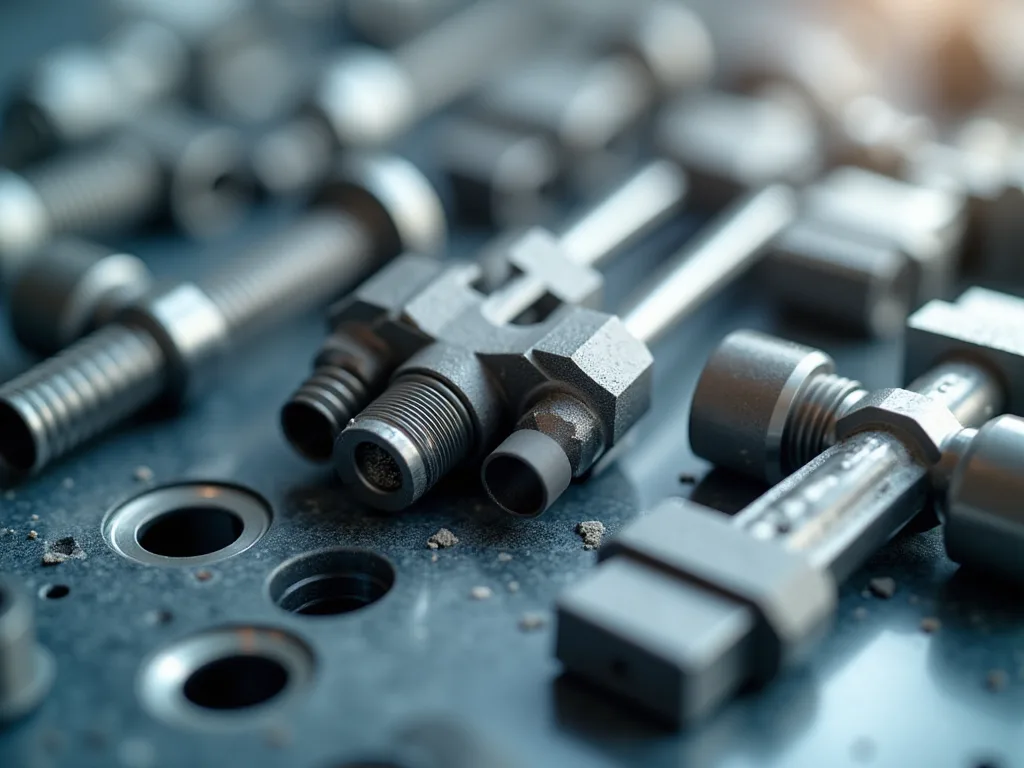
Mechanical joints are engineered connections designed to unite two or more separate components into a functional assembly. These connections serve multiple purposes: they transfer loads between components, maintain precise alignment, accommodate thermal expansion and contraction, and in many cases, allow for controlled movement or articulation between parts.
The fundamental characteristic that distinguishes mechanical joints from other connection methods is their reliance on mechanical principles—such as friction, interference fit, interlocking geometry, or mechanical fasteners—to maintain the integrity of the connection. Unlike molecular bonding methods such as welding or adhesive bonding, many mechanical joints can be assembled and disassembled multiple times without damaging the base materials, making them invaluable for applications requiring maintenance, inspection, or component replacement.
Mechanical joints can be broadly categorized as either permanent or temporary connections. Permanent joints, such as welded or riveted connections, are designed to last the lifetime of the structure or assembly and are typically not intended for disassembly. Temporary joints, including bolted and threaded connections, facilitate repeated assembly and disassembly cycles, enabling maintenance, repair, and modification throughout the product lifecycle.
The design of a mechanical joint must account for the specific loading conditions it will encounter, including tensile forces (pulling apart), compressive forces (pushing together), shear forces (sliding parallel to the joint plane), bending moments, and torsional loads (twisting). Additionally, designers must consider dynamic factors such as vibration, thermal cycling, corrosion potential, and fatigue loading that can compromise joint integrity over time.
Comprehensive Overview of Mechanical Joint Types
Welded Joints: Permanent Fusion Connections
Welded joints represent one of the most widely used permanent joining methods in modern engineering and construction. The welding process involves heating the base materials to their melting point, often with the addition of a filler material, allowing them to fuse together at the molecular level. Upon cooling, the welded joint creates a continuous connection that can be as strong as or even stronger than the parent materials.
There are numerous welding techniques available, each suited to different materials, thicknesses, and applications. Arc welding processes, including shielded metal arc welding (SMAW), gas metal arc welding (GMAW or MIG), and gas tungsten arc welding (GTAW or TIG), use electrical current to generate the heat necessary for fusion. Resistance welding applies pressure and electrical current simultaneously to join materials, commonly used in automotive spot welding. Advanced techniques such as laser welding and electron beam welding offer precision joining capabilities for specialized applications.
The primary advantages of welded joints include exceptional strength, the ability to create leak-proof seals, elimination of stress concentrations associated with bolt holes, and reduced weight compared to bolted alternatives. Welded structures typically exhibit superior fatigue resistance when properly executed, as the continuous material eliminates the fretting and stress concentration points inherent in mechanical fasteners.
However, welded joints also present certain challenges and limitations. The welding process introduces heat into the base materials, potentially causing distortion, residual stresses, and alterations to the material's microstructure and mechanical properties in the heat-affected zone. Quality control is critical, as defects such as porosity, incomplete fusion, or cracking can significantly compromise joint strength. Additionally, welded joints are essentially permanent, making disassembly for maintenance or repair difficult or impossible without destroying the joint.
Applications of welded joints include:
- Structural steel frameworks in buildings, bridges, and industrial facilities
- Pressure vessels and storage tanks requiring leak-proof integrity
- Pipeline construction for oil, gas, and water distribution
- Shipbuilding and marine structures
- Automotive chassis and body assembly
- Heavy machinery and equipment fabrication
- Railroad car and locomotive construction
Bolted Joints: Versatile Mechanical Fastening
Bolted joints utilize threaded fasteners—bolts, nuts, and washers—to clamp components together, creating a connection through friction and mechanical interference. This joining method has become ubiquitous across virtually all engineering disciplines due to its versatility, reliability, and the ease with which bolted assemblies can be disassembled for maintenance, inspection, or modification.
The mechanics of a bolted joint are more complex than they might initially appear. When a bolt is tightened, it stretches elastically, creating a clamping force that presses the joined components together. This preload generates friction between the mating surfaces, which resists shear loads and prevents relative movement. The bolt itself primarily experiences tensile stress from the preload, while external loads are ideally carried through friction between the clamped components rather than through shear of the bolt shank.
Proper bolt preload is critical to joint performance. Insufficient preload can result in joint separation, fretting wear, fatigue failure, or loosening under vibration. Excessive preload can yield or fracture the bolt, damage the joined components, or cause stress corrosion cracking. Engineers must carefully calculate the required preload based on the joint geometry, loading conditions, and material properties, then specify appropriate tightening procedures—whether torque-controlled, angle-controlled, or tension-controlled—to achieve the target preload consistently.
Bolted joints offer numerous advantages that account for their widespread use. They enable repeated assembly and disassembly without damaging the base materials, facilitate field assembly of large structures, allow for adjustment and alignment during installation, and can be inspected and retightened if necessary. The standardization of bolt sizes, grades, and specifications simplifies design, procurement, and maintenance across different projects and industries.
Challenges associated with bolted joints include the potential for loosening under vibration (mitigated through locking mechanisms such as lock washers, thread-locking compounds, or prevailing-torque nuts), stress concentrations around bolt holes that can initiate fatigue cracks, the added weight of fasteners and reinforcement around holes, and the labor costs associated with installation and periodic inspection.
Applications of bolted joints include:
- Structural steel connections in buildings and bridges
- Machinery assembly and equipment mounting
- Automotive and aerospace component assembly
- Pressure vessel flanges and access covers
- Electrical equipment enclosures and junction boxes
- Furniture and consumer product assembly
- Wind turbine tower sections and blade attachments
- Railway track fastening systems
Riveted Joints: Time-Tested Permanent Fastening
Riveted joints employ cylindrical metal pins called rivets to permanently fasten components together. The riveting process involves inserting a rivet through aligned holes in the components to be joined, then deforming one or both ends of the rivet to create a head that clamps the components together. This deformation can be accomplished through hot or cold working, depending on the rivet size, material, and application requirements.
Historically, riveted joints dominated structural engineering and manufacturing from the Industrial Revolution through the mid-20th century. Iconic structures such as the Eiffel Tower, the Golden Gate Bridge, and countless steel-framed buildings were assembled using millions of rivets installed by skilled teams of riveters. The distinctive appearance of riveted construction—with visible rivet heads arranged in regular patterns—became an aesthetic hallmark of industrial-age architecture and engineering.
While welding and high-strength bolting have largely supplanted riveting in new construction, riveted joints continue to offer certain advantages. They excel at joining thin sheet materials where welding might cause excessive distortion or burn-through. Rivets can effectively join dissimilar materials that would be difficult to weld. The riveting process does not introduce heat into the structure (except for hot riveting), avoiding the distortion and metallurgical changes associated with welding. Additionally, the installation process is relatively simple and does not require the specialized skills and quality control measures necessary for welding.
Riveted joints effectively resist both shear and tensile loads. In shear, the rivet shank resists the sliding of joined components relative to each other. In tension, the rivet heads bear against the component surfaces, preventing separation. Multiple rivets are typically used in a joint to distribute loads and provide redundancy. The ductility of rivet materials allows them to deform slightly under load, redistributing stress among multiple rivets and preventing sudden catastrophic failure.
Limitations of riveted joints include the permanent nature of the connection (removal requires drilling out the rivets, which damages the holes), the stress concentrations created by rivet holes, the potential for corrosion in the crevices between components, and the labor-intensive installation process compared to modern alternatives. Additionally, riveted joints are generally heavier than equivalent welded joints due to the overlap required and the mass of the rivets themselves.
Applications of riveted joints include:
- Aircraft fuselage and wing assembly (especially in older aircraft designs)
- Sheet metal fabrication and ductwork
- Historical structure preservation and restoration
- Bridge construction and repair (particularly for older riveted bridges)
- Shipbuilding and marine applications
- Pressure vessel construction (though less common in modern practice)
- Automotive body panels and structural components
- Leather goods, textiles, and non-metallic material joining
Adhesive Joints: Chemical Bonding Solutions
Adhesive joints utilize chemical bonding agents—ranging from simple glues to sophisticated structural adhesives—to create connections between components. Unlike mechanical fastening methods that rely on physical interference or deformation, adhesive bonding works at the molecular level, creating chemical or physical bonds between the adhesive and the substrate materials.
The science of adhesive bonding is complex and multifaceted, involving surface chemistry, polymer science, and mechanics. Adhesives form bonds through various mechanisms including mechanical interlocking with surface irregularities, chemical bonding with substrate molecules, and physical attraction forces such as van der Waals interactions. The strength and durability of an adhesive joint depend critically on surface preparation, adhesive selection, application technique, curing conditions, and the service environment.
Modern structural adhesives have revolutionized manufacturing and assembly across numerous industries. Epoxy adhesives offer exceptional strength and chemical resistance for demanding structural applications. Polyurethane adhesives provide flexibility and impact resistance. Acrylic adhesives cure rapidly and bond well to a wide range of materials. Cyanoacrylate adhesives (super glues) create strong bonds almost instantly.
Silicone adhesives maintain flexibility and performance across extreme temperature ranges.
Adhesive joints offer several compelling advantages over mechanical fastening methods. They distribute stress uniformly across the entire bonded area rather than concentrating it at discrete fastener locations, potentially improving fatigue life. Adhesives can effectively join dissimilar materials with vastly different properties, such as metals to composites or plastics to glass. They create smooth external surfaces without protruding fastener heads, improving aerodynamics and aesthetics. Adhesive bonding adds minimal weight to an assembly and can simultaneously serve multiple functions, such as joining, sealing, and vibration damping.
However, adhesive joints also present significant challenges and limitations. Surface preparation is absolutely critical—contaminants such as oils, oxides, or release agents can prevent proper bonding and lead to premature failure. Most adhesives require specific curing conditions (temperature, humidity, time) to develop full strength, which can complicate manufacturing processes. Adhesive joints are essentially permanent and cannot be disassembled for maintenance without destroying the bond. Quality control and inspection are difficult, as the bond line is hidden and non-destructive testing methods are limited.
Environmental factors such as temperature, moisture, UV exposure, and chemical exposure can degrade adhesive bonds over time.
Applications of adhesive joints include:
- Aerospace composite structure assembly and bonding
- Automotive body panel bonding and windshield installation
- Electronic device assembly and component attachment
- Medical device manufacturing and assembly
- Sporting goods and recreational equipment construction
- Building construction (curtain wall glazing, panel bonding)
- Packaging and consumer product assembly
- Marine applications (boat building, deck bonding)
- Wind turbine blade manufacturing
Threaded Joints: Precision Mechanical Connections
Threaded joints employ helical ridges (threads) machined or formed onto cylindrical or conical surfaces to create mechanical connections. The mating of external threads (on screws, bolts, or studs) with internal threads (in nuts, tapped holes, or threaded inserts) converts rotational motion into linear motion, allowing components to be drawn together with controlled force.
The geometry of threads has been refined over centuries of engineering practice. Thread standards specify the thread angle, pitch (distance between adjacent threads), major and minor diameters, and thread form. Common thread forms include the 60-degree V-thread used in most general-purpose fasteners, the square thread optimized for power transmission, the Acme thread offering a balance of strength and efficiency, and the buttress thread designed for unidirectional loading. Thread standards such as Unified Thread Standard (UTS) in North America and ISO metric threads internationally ensure interchangeability and compatibility.
Threaded joints function through a combination of mechanical principles. As threads are engaged and tightened, the helical geometry converts torque into axial clamping force. The friction between mating threads and between the nut or screw head and the bearing surface resists loosening. The mechanical advantage provided by the thread pitch allows substantial clamping forces to be generated with reasonable tightening torque. The thread engagement distributes loads over multiple thread turns, preventing localized overstressing.
The versatility of threaded joints accounts for their ubiquity in mechanical design. They enable precise adjustment of component positions and clearances. They can be easily assembled and disassembled with simple hand tools or power tools. They provide a reliable connection that resists loosening when properly designed and installed. They can be manufactured economically through various processes including thread cutting, thread rolling, and thread forming.
Threaded joints do face certain challenges. Vibration and dynamic loading can cause loosening unless preventive measures such as lock washers, thread-locking compounds, or safety wire are employed. Cross-threading during assembly can damage threads and compromise joint integrity. Corrosion can cause threads to seize, making disassembly difficult or impossible. Stress concentrations at the thread roots can initiate fatigue cracks under cyclic loading.
Proper lubrication, installation procedures, and maintenance are essential for reliable threaded joint performance.
Applications of threaded joints include:
- Machinery assembly and component mounting
- Plumbing pipe connections and fittings
- Automotive engine assembly and component attachment
- Precision instruments and adjustment mechanisms
- Pressure vessel closures and access ports
- Aerospace component assembly and attachment
- Consumer electronics and appliance assembly
- Medical equipment and surgical instruments
- Power transmission systems (lead screws, ball screws)
- Optical equipment focusing and adjustment mechanisms
Pin Joints: Articulation and Rotation
Pin joints, also known as hinge joints or pivot joints, utilize cylindrical pins to connect components while allowing controlled rotational movement about the pin axis. Unlike the previously discussed joint types that primarily create rigid connections, pin joints are specifically designed to permit articulation, making them essential for mechanisms, linkages, and structures requiring movement.
The basic pin joint consists of a cylindrical pin passing through aligned holes in two or more components. The pin may be secured using various methods including cotter pins, snap rings, threaded ends with nuts, or press fits. Clearance between the pin and holes allows rotation, while the pin prevents relative translation perpendicular to its axis. Bearing surfaces may be plain metal-to-metal contact, or may incorporate bushings, bearings, or lubrication systems to reduce friction and wear.
Pin joints are fundamental to countless mechanical systems. They form the connections in four-bar linkages, slider-crank mechanisms, and other kinematic chains that convert one type of motion into another. They enable folding and articulation in deployable structures, landing gear, and robotic arms. They provide the pivot points in scissors, pliers, and other hand tools. They allow suspension systems in vehicles to accommodate wheel movement while maintaining structural integrity.
Applications of pin joints include:
- Heavy equipment articulation (excavators, loaders, cranes)
- Vehicle suspension systems and steering linkages
- Door and gate hinges
- Robotic joints and manipulators
- Folding mechanisms in furniture and portable equipment
- Landing gear on aircraft
- Bicycle and motorcycle chain links
- Prosthetic limbs and medical devices
Press Fit Joints: Interference Assembly
Press fit joints, also called interference fit or friction fit joints, create connections by forcing components with slightly incompatible dimensions together. The external diameter of one component (such as a shaft) is manufactured slightly larger than the internal diameter of the mating component (such as a hub or bearing), creating an interference that must be overcome during assembly.
When components are pressed together, elastic and sometimes plastic deformation occurs, generating contact pressure at the interface. This pressure creates friction that resists relative motion between the components, effectively locking them together without additional fasteners. The magnitude of interference, material properties, surface finish, and geometry all influence the strength and reliability of the press fit connection.
Press fits offer several advantages including simplicity (no additional fasteners required), the ability to transmit high torques, precise component alignment, and a clean appearance without protruding fasteners. However, they require tight manufacturing tolerances, specialized assembly equipment for larger components, and can be difficult to disassemble without damage. Temperature differential assembly methods (heating the outer component or cooling the inner component) can facilitate assembly of heavy interference fits.
Applications of press fit joints include:
- Bearing installation on shafts and in housings
- Gear and pulley mounting on shafts
- Wheel hubs on axles
- Electrical connector pins in housings
- Tooling and fixture components
- Crankshaft assembly in engines
Snap Fit Joints: Integrated Fastening
Snap fit joints represent an elegant solution for rapid assembly without separate fasteners. These joints incorporate flexible features molded or formed directly into components that deflect during assembly, then spring back to lock the parts together. Snap fits are particularly common in plastic component assembly, where the material's flexibility and moldability enable complex geometries.
The design of snap fit joints involves careful analysis of deflection, stress, and assembly forces. Cantilever snap fits use a flexible beam with a protruding hook that deflects during assembly and engages an undercut in the mating part. Annular snap fits employ a ring that expands or contracts to pass over a feature, then returns to its original diameter to create a lock. Torsional snap fits twist during assembly to engage locking features.
Snap fits enable rapid, tool-free assembly, reduce part count by eliminating separate fasteners, and can be designed for either permanent or releasable connections. They are economical for high-volume production where tooling costs can be amortized. However, they require careful design to avoid overstressing during assembly, may have limited strength compared to other joint types, and can be sensitive to material degradation over time.
Applications of snap fit joints include:
- Consumer electronics enclosures and battery covers
- Automotive interior trim and panels
- Appliance housings and access panels
- Toy assembly and construction sets
- Medical device housings and disposable components
- Packaging and container closures
Industry-Specific Applications of Mechanical Joints
Aerospace Industry: Engineering for Extreme Conditions
The aerospace industry presents some of the most demanding applications for mechanical joints, where connections must maintain integrity under extreme temperature variations, vibration, cyclic loading, and environmental exposure while minimizing weight. Every gram of unnecessary mass in an aircraft or spacecraft translates directly into reduced payload capacity or increased fuel consumption, making joint efficiency critical.
Aircraft structures extensively employ riveted joints, particularly in fuselage and wing skin assembly. The Boeing 747, for example, contains approximately six million parts held together by roughly 2.5 million rivets. Modern aircraft increasingly utilize adhesive bonding, either alone or in combination with mechanical fasteners, to join composite materials in structures such as the Boeing 787 Dreamliner, where composites comprise approximately 50% of the airframe by weight.
High-strength bolted joints secure critical components such as engine mounts, landing gear attachments, and wing-to-fuselage connections. These joints must be designed with multiple load paths and fail-safe features to ensure that single-point failures do not lead to catastrophic consequences. Specialized fasteners with features such as interference-fit bodies, self-locking threads, and corrosion-resistant coatings are standard in aerospace applications.
Welded joints in aerospace are typically limited to specific applications such as fuel tank fabrication, engine components, and rocket motor casings, where the high strength-to-weight ratio and leak-proof integrity justify the challenges of welding high-performance alloys. Advanced welding techniques such as friction stir welding have enabled new applications, particularly in joining aluminum alloys for fuel tanks and structural components.
The aerospace industry maintains rigorous standards for joint design, analysis, fabrication, and inspection. Organizations such as the Federal Aviation Administration (FAA) and European Union Aviation Safety Agency (EASA) mandate compliance with detailed regulations covering every aspect of aircraft construction and maintenance. Non-destructive testing methods including ultrasonic inspection, radiography, and eddy current testing verify joint integrity throughout the aircraft lifecycle.
Automotive Industry: Balancing Performance, Cost, and Manufacturability
The automotive industry utilizes virtually every type of mechanical joint in vehicle design and manufacturing, with selection driven by the competing demands of performance, safety, cost, manufacturability, and serviceability. A typical automobile contains thousands of individual joints, each optimized for its specific function and loading conditions.
Welded joints dominate automotive body construction, where resistance spot welding rapidly joins sheet metal components in highly automated assembly lines. A single vehicle body may contain 3,000 to 5,000 spot welds, creating a rigid structure that provides occupant protection in crashes while maintaining dimensional accuracy. Arc welding secures structural components such as suspension mounting points and frame rails. Laser welding increasingly joins body panels, offering precise heat input and minimal distortion.
Adhesive bonding has become integral to modern automotive manufacturing, with structural adhesives supplementing or replacing spot welds in many applications. Adhesive bonding of roof panels, door frames, and body stiffeners improves structural rigidity, reduces noise and vibration, and enables the joining of dissimilar materials such as aluminum to steel in multi-material vehicle designs. Windshields and windows are bonded with polyurethane adhesives that contribute to body stiffness and occupant retention in rollover crashes.
Bolted joints enable assembly of major components such as engines, transmissions, suspension systems, and interior trim. The serviceability provided by bolted connections is essential for maintenance and repair throughout the vehicle lifecycle. Threaded fasteners secure components ranging from engine cylinder heads to wheel lug nuts, with each application requiring careful specification of fastener grade, size, and tightening procedure.
Press fit joints install bearings, bushings, and gears throughout the powertrain and chassis. Snap fit joints enable rapid assembly of interior trim, electrical connectors, and under-hood components. The automotive industry's relentless focus on reducing assembly time and cost drives continuous innovation in joint design and fastening technology.
Construction and Civil Engineering: Building the Infrastructure
Construction and civil engineering rely heavily on mechanical joints to create the buildings, bridges, and infrastructure that define our built environment. The scale of construction projects, the variety of materials employed, and the long service life required of structures present unique challenges for joint design and execution.
Structural steel construction extensively uses bolted joints to connect beams, columns, and bracing members. High-strength bolts in slip-critical connections rely on clamping force to transfer loads through friction, preventing relative movement between connected members. Bearing-type connections allow controlled slip before the bolt shanks bear against the connection holes, providing ductility and energy dissipation during seismic events. Moment connections, which transfer both forces and bending moments between members, require careful design and detailing to ensure adequate strength and stiffness.
Welded joints in construction create rigid connections between steel members, often used in moment frames and in situations where bolted connections would be impractical. Field welding requires careful quality control to ensure proper execution in variable environmental conditions. Shop welding of prefabricated assemblies allows better control of welding conditions and quality, with bolted field splices connecting shop-welded subassemblies.
Concrete construction employs mechanical joints in reinforcing steel connections, where rebar may be spliced using mechanical couplers, welding, or lap splices with wire ties. Precast concrete construction uses bolted connections, welded connections, or grouted connections to join precast elements. Post-tensioning systems use threaded anchorages to secure high-strength steel tendons that compress concrete members.
Historic structures often feature riveted joints, particularly in bridges and buildings constructed before the widespread adoption of welding and high-strength bolting. The preservation and rehabilitation of these structures requires specialized knowledge of riveted construction and careful assessment of joint condition and capacity.
Manufacturing and Industrial Equipment: Precision and Reliability
Manufacturing equipment and industrial machinery demand mechanical joints that provide precision, reliability, and maintainability under continuous operation and demanding loading conditions. Machine tools, production equipment, material handling systems, and processing machinery all depend on properly designed and executed joints.
Bolted joints enable the assembly of machine frames, mounting of components, and attachment of tooling. The ability to disassemble bolted connections facilitates equipment maintenance, component replacement, and reconfiguration for different production requirements. Precision-ground surfaces and dowel pins ensure accurate alignment and repeatability when components are reassembled.
Threaded joints provide adjustment capabilities essential for machine setup and calibration. Lead screws and ball screws convert rotary motion into precise linear positioning in machine tools and automation equipment. Threaded adjusters enable fine-tuning of clearances, alignments, and operating parameters.
Press fit joints install bearings, bushings, and precision components in machine assemblies. The interference fit provides accurate location and secure mounting without the stress concentrations associated with threaded fasteners. Hydraulic presses or thermal methods facilitate assembly and disassembly when necessary.
Welded joints create rigid machine frames and bases that provide the stability and vibration resistance necessary for precision manufacturing operations. Stress-relieving heat treatments after welding minimize distortion and residual stresses that could affect machine accuracy. Precision machining of welded assemblies achieves the tight tolerances required for machine tool applications.
Marine Applications: Resisting Corrosion and Harsh Environments
Marine applications subject mechanical joints to uniquely challenging conditions including saltwater exposure, humidity, temperature cycling, wave loading, and biofouling. Ships, offshore platforms, port facilities, and marine equipment require joints that maintain integrity despite these aggressive environmental factors.
Welded joints predominate in ship hull construction, where watertight integrity is paramount. Continuous welds create leak-proof seams between hull plates and structural members. Specialized welding procedures and consumables suited to marine-grade steels and aluminum alloys ensure adequate strength and corrosion resistance. Non-destructive testing verifies weld quality and detects defects that could compromise structural integrity or watertightness.
Bolted joints in marine applications require careful material selection and corrosion protection. Stainless steel, bronze, or specially coated fasteners resist the corrosive marine environment. Flange connections with gaskets or O-rings provide sealed joints in piping systems and pressure vessels. Bolted access covers and inspection ports enable maintenance of machinery and systems.
Riveted joints remain common in aluminum vessel construction, where the material's relatively low melting point and high thermal conductivity make welding more challenging. Riveting avoids the heat-affected zone issues associated with welding aluminum, though modern friction stir welding has enabled increased use of welded aluminum joints in marine applications.
Adhesive joints bond composite materials in boat hulls, decks, and superstructures. Marine-grade epoxy and polyurethane adhesives provide water resistance and maintain bond strength in wet conditions. The combination of adhesive bonding with mechanical fastening (a technique called "weld bonding" when combined with welding, or simply "bonded bolting") provides redundant load paths and improved durability.
Energy Sector: Power Generation and Distribution
The energy sector encompasses power generation facilities, transmission infrastructure, and renewable energy systems, all of which depend on reliable mechanical joints operating under demanding conditions. High temperatures, pressures, vibration, and the critical nature of energy infrastructure drive stringent requirements for joint design and execution.
Power plant construction employs welded joints extensively in boilers, pressure vessels, piping systems, and structural components. High-temperature service requires specialized welding procedures and materials that maintain strength and resist creep at elevated temperatures. Pressure vessel welds undergo rigorous inspection and testing to ensure they meet code requirements for safety and reliability.
Bolted flange connections join piping sections and enable access for maintenance and inspection. Gaskets or metal seals between flange faces prevent leakage of steam, water, or other fluids. The design of bolted flange connections follows established codes and standards that specify dimensions, materials, and assembly procedures based on pressure, temperature, and fluid service.
Wind turbine construction utilizes large bolted joints to connect tower sections, attach nacelles to towers, and secure rotor blades to hubs. These joints must resist extreme wind loads, fatigue from continuous cyclic loading, and environmental exposure. Preloaded bolts with sophisticated tightening procedures ensure reliable connections. Adhesive bonding joins composite materials in turbine blades, creating lightweight structures capable of capturing wind energy efficiently.
Solar panel mounting systems employ bolted and threaded connections that enable field assembly and adjustment. The connections must resist wind loads while allowing thermal expansion and contraction. Corrosion-resistant materials and coatings ensure long-term reliability in outdoor exposure.
Design Considerations for Mechanical Joints
Load Analysis and Stress Distribution
Proper design of mechanical joints begins with thorough analysis of the loads the joint must resist. Engineers must identify all load types including static loads (constant forces), dynamic loads (time-varying forces), impact loads (sudden forces), and environmental loads (thermal expansion, settlement, wind, seismic). Each load type affects joint design differently and may govern different aspects of the joint configuration.
Stress distribution within a joint significantly influences its performance and durability. Mechanical fasteners create stress concentrations around holes and at thread roots, which can initiate fatigue cracks under cyclic loading. Welded joints may have residual stresses from the welding process that combine with service loads. Adhesive joints distribute stress more uniformly but may have peak stresses at bond line edges. Finite element analysis enables detailed examination of stress distributions and identification of potential failure locations.
The concept of load path—the route through which forces travel through a structure—is fundamental to joint design. Effective joints provide clear, direct load paths that minimize stress concentrations and secondary stresses. Redundant load paths improve reliability by ensuring that failure of a single element does not lead to complete joint failure. Designers must consider how loads transfer between joined components and ensure adequate strength at the interface and in the surrounding material.
Material Selection and Compatibility
The materials being joined and the materials used in the joint itself profoundly affect joint performance. Material properties including strength, stiffness, ductility, thermal expansion coefficient, and corrosion resistance must be considered in joint design. Joining dissimilar materials presents additional challenges due to differences in these properties.
Galvanic corrosion occurs when dissimilar metals are in electrical contact in the presence of an electrolyte, with the more anodic metal corroding preferentially. Designers must either avoid dissimilar metal contact, isolate metals with insulating materials, or select metal combinations with minimal galvanic potential difference. Protective coatings and corrosion inhibitors can mitigate galvanic corrosion in situations where dissimilar metals must be joined.
Thermal expansion mismatch between joined materials can generate significant stresses during temperature changes. A joint between materials with different thermal expansion coefficients must either accommodate the differential expansion through flexibility or be designed to withstand the resulting thermal stresses. Adhesive joints are particularly sensitive to thermal expansion mismatch, as the thin adhesive layer has limited ability to accommodate differential movement.
Material compatibility extends to manufacturing processes as well. Some materials cannot be welded or can only be welded with specialized procedures. Others may be damaged by the heat of welding or the drilling required for mechanical fasteners. Surface treatments and coatings must be compatible with the joining process and not interfere with joint formation or performance.
Environmental Factors and Durability
The service environment significantly affects mechanical joint performance and longevity. Temperature extremes, humidity, chemical exposure, radiation, and other environmental factors can degrade joint materials and compromise joint integrity over time. Designers must anticipate environmental conditions throughout the expected service life and select joint types and materials accordingly.
Corrosion represents one of the most common environmental degradation mechanisms affecting mechanical joints. Atmospheric corrosion, galvanic corrosion, crevice corrosion, stress corrosion cracking, and other corrosion modes can attack joint materials. Corrosion protection strategies include material selection (stainless steels, aluminum alloys, titanium), protective coatings (paint, plating, anodizing), cathodic protection, and design features that minimize moisture retention and crevices.
Temperature affects mechanical properties, with most materials losing strength at elevated temperatures and becoming brittle at low temperatures. Joints in high-temperature service must use materials that retain adequate strength and resist creep. Low-temperature applications require materials that maintain ductility and toughness to prevent brittle fracture. Thermal cycling can cause fatigue damage through repeated expansion and contraction.
Vibration and dynamic loading can cause fatigue failure of joints even when stress levels are well below the material's static strength. Fatigue life depends on stress amplitude, mean stress, stress concentrations, material properties, and environmental factors. Bolted joints may loosen under vibration unless proper locking mechanisms are employed. Welded joints require careful design and execution to avoid fatigue-prone details.
Manufacturing and Assembly Considerations
The practicality of manufacturing and assembling a joint design significantly affects its viability. A theoretically optimal joint that cannot be reliably manufactured or assembled in production is of little value. Designers must consider available manufacturing processes, equipment capabilities, worker skills, quality control methods, and assembly sequences.
Tolerances and dimensional accuracy affect joint performance and assembly. Tight tolerances improve fit and alignment but increase manufacturing cost and may complicate assembly. Designers must balance the need for precision against practical manufacturing capabilities and cost constraints. Tolerance stack-up analysis ensures that accumulated variations in component dimensions do not prevent assembly or compromise joint function.
Accessibility for assembly and maintenance influences joint design. Joints must be located where assembly tools can reach and workers can see and access the connection. Blind locations or confined spaces may require special fasteners or assembly techniques. Maintenance requirements may dictate that certain joints be easily accessible for inspection, adjustment, or replacement.
Quality control and inspection capabilities must be considered in joint design. Some joint types, such as welded or adhesive joints, require specialized inspection methods to verify quality. Non-destructive testing methods including visual inspection, ultrasonic testing, radiography, magnetic particle inspection, and dye penetrant inspection each have capabilities and limitations that affect their applicability to different joint types and configurations.
Economic Factors and Life Cycle Costs
Economic considerations often drive joint selection as much as technical factors. The total cost of a joint includes material costs, manufacturing costs, assembly costs, inspection costs, and maintenance costs over the product lifecycle. A more expensive joint type may be justified if it reduces assembly time, improves reliability, or decreases maintenance requirements.
Initial costs include the materials for the joint itself (fasteners, welding consumables, adhesives) and the labor and equipment required for manufacturing and assembly. High-volume production may justify investment in specialized tooling or automated assembly equipment that reduces per-unit costs. Low-volume or custom applications may favor simpler joint types that can be executed with general-purpose tools and equipment.
Life cycle costs account for maintenance, inspection, and potential replacement over the product's service life. Permanent joints such as welds or adhesive bonds eliminate maintenance of the joint itself but may complicate component replacement. Bolted joints enable disassembly for maintenance but may require periodic inspection and retightening. The expected service life and maintenance philosophy affect the economic comparison between joint alternatives.
Failure costs—including downtime, repair expenses, consequential damage, and potential liability—must be considered in joint design decisions. Critical applications where joint failure could cause injury, environmental damage, or catastrophic economic loss justify more conservative designs, higher-quality materials, and more rigorous quality control despite higher initial costs.
Emerging Technologies and Future Trends in Mechanical Joints
Advanced Materials and Joining Techniques
The development of advanced materials including composites, advanced high-strength steels, aluminum-lithium alloys, titanium alloys, and engineered polymers drives innovation in joining technology. Traditional joining methods developed for conventional materials may not be suitable for these advanced materials, necessitating new approaches.
Friction stir welding, a solid-state joining process that plasticizes material through frictional heating and mechanical stirring without melting, has enabled welding of aluminum alloys and other materials that are difficult to join by conventional fusion welding. This technology has found applications in aerospace, automotive, and shipbuilding industries. Ongoing research explores friction stir welding of dissimilar materials and higher-melting-point alloys.
Additive manufacturing, commonly known as 3D printing, enables the creation of complex geometries including integrated fastening features that would be difficult or impossible to produce by conventional manufacturing. Topology optimization algorithms can design joint geometries that minimize weight while maintaining required strength. The ability to print multiple materials in a single build enables creation of joints with graded properties or integrated sealing features.
Nanotechnology and surface engineering offer possibilities for enhanced adhesive bonding through surface treatments that improve adhesion at the molecular level. Self-healing materials that can repair damage autonomously may extend joint life and improve reliability. Smart materials that change properties in response to environmental conditions could enable adaptive joints that optimize performance across varying operating conditions.
Digitalization and Smart Joints
The integration of sensors and digital technology into mechanical joints enables real-time monitoring of joint condition and performance. Instrumented bolts with embedded strain sensors can measure preload and detect loosening. Wireless sensors can monitor temperature, vibration, and other parameters that indicate joint health. This data enables predictive maintenance strategies that address potential problems before they lead to failures.
Digital twin technology creates virtual models of physical joints that are continuously updated with sensor data. These models enable simulation of joint behavior under various conditions, prediction of remaining service life, and optimization of maintenance schedules. Machine learning algorithms can identify patterns in sensor data that indicate developing problems, enabling early intervention.
Augmented reality systems can guide workers through complex assembly procedures, ensuring that joints are executed correctly. Digital torque wrenches and assembly tools record tightening data for quality assurance and traceability. Blockchain technology may enable secure, tamper-proof records of joint assembly and inspection data throughout the product lifecycle.
Sustainability and Environmental Considerations
Growing emphasis on sustainability and environmental responsibility influences mechanical joint design and selection. Joints that enable disassembly facilitate end-of-life recycling and component reuse, supporting circular economy principles. Designers increasingly consider the environmental impact of joint materials, manufacturing processes, and disposal or recycling at end of life.
Lightweight design reduces material consumption and, in transportation applications, decreases fuel consumption and emissions over the product lifecycle. Advanced joining techniques that enable multi-material designs allow optimization of material selection for each component, using high-performance materials only where necessary. Adhesive bonding and other joining methods that minimize material removal and waste support sustainability objectives.
Renewable energy systems including wind turbines, solar panels, and energy storage systems require reliable mechanical joints that can withstand decades of service in challenging environments. The growth of these industries drives demand for joining technologies suited to the materials and configurations used in renewable energy equipment.
Educational Approaches to Teaching Mechanical Joints
Hands-On Learning and Laboratory Exercises
Effective education about mechanical joints requires hands-on experience that complements theoretical instruction. Laboratory exercises where students physically assemble and test different joint types provide invaluable learning opportunities. Students can observe how proper and improper assembly techniques affect joint performance, experience the tools and procedures used in practice, and develop intuition about joint behavior that cannot be gained from textbooks alone.
Simple experiments such as testing the strength of different adhesive bonds, measuring the preload in bolted joints with varying tightening torques, or examining the microstructure of welded joints under a microscope make abstract concepts concrete. Destructive testing of joints to failure demonstrates load capacity and failure modes. Non-destructive testing exercises familiarize students with inspection methods used in industry.
Project-based learning where students design, fabricate, and test a structure or mechanism incorporating multiple joint types integrates knowledge across disciplines and develops problem-solving skills. Students must consider not only the technical performance of joints but also manufacturing feasibility, cost, and assembly procedures. Peer review and critique of designs develops critical thinking and communication skills.
Computational Tools and Simulation
Modern engineering practice relies heavily on computational tools for joint analysis and design. Introducing students to finite element analysis software enables exploration of stress distributions, deformations, and failure modes that would be difficult to examine experimentally. Parametric studies using simulation tools help students understand how design variables affect joint performance.
Computer-aided design (CAD) software allows students to create detailed joint models and generate manufacturing drawings. Integration of CAD with analysis tools enables rapid iteration and optimization of designs. Simulation of assembly processes helps identify potential problems before physical prototyping.
Online resources including video demonstrations of joining processes, virtual laboratory exercises, and interactive tutorials supplement classroom instruction and enable self-paced learning. Open-source software and educational licenses for commercial tools make sophisticated analysis capabilities accessible to students and educators.
Industry Connections and Real-World Context
Connecting classroom learning to industrial practice enhances student engagement and prepares them for professional careers. Guest lectures by practicing engineers provide insights into how joint design decisions are made in real projects. Site visits to manufacturing facilities, construction sites, or fabrication shops allow students to observe joining processes at industrial scale and understand the practical constraints that influence joint selection.
Case studies of joint failures and their consequences illustrate the importance of proper design, analysis, and quality control. Examining historical failures such as the collapse of the I-35W bridge in Minneapolis or the Challenger space shuttle disaster provides powerful lessons about engineering responsibility and the consequences of inadequate attention to joint integrity.
Internships and cooperative education programs give students extended exposure to industrial practice and the opportunity to apply classroom knowledge to real engineering problems. Capstone design projects sponsored by industry partners address actual needs while providing students with authentic engineering experience.
Standards, Codes, and Best Practices
Industry Standards and Specifications
Mechanical joint design and execution are governed by numerous standards and specifications developed by professional organizations, industry groups, and government agencies. These standards ensure consistency, interoperability, and minimum quality levels across different manufacturers and projects. Familiarity with relevant standards is essential for engineering practice.
The American Society of Mechanical Engineers (ASME) publishes standards covering pressure vessels, piping, and mechanical components. The American Welding Society (AWS) develops welding codes and specifications. The American Institute of Steel Construction (AISC) provides standards for structural steel connections. The Society of Automotive Engineers (SAE) and International Organization for Standardization (ISO) publish standards used across multiple industries.
Fastener standards specify dimensions, materials, mechanical properties, and testing methods for bolts, nuts, screws, and other threaded fasteners. Thread standards ensure compatibility between mating components. Welding standards define qualified procedures, welder qualifications, and inspection requirements. Adhesive standards specify test methods and performance requirements.
Compliance with applicable standards is often legally required for regulated industries such as aerospace, pressure vessels, and building construction. Even when not legally mandated, following established standards represents best practice and provides a basis for quality assurance and liability protection.
Quality Assurance and Inspection
Quality assurance programs ensure that mechanical joints are designed, manufactured, and assembled to meet specified requirements. Quality control procedures verify that materials, processes, and finished joints conform to specifications. Documentation provides traceability and evidence of compliance.
Inspection methods vary depending on joint type and application requirements. Visual inspection identifies obvious defects such as missing fasteners, incomplete welds, or surface damage. Dimensional inspection verifies that joint geometry meets specifications. Non-destructive testing detects internal defects without damaging the joint. Destructive testing of sample joints verifies that production processes produce joints meeting strength requirements.
Welding quality control includes procedure qualification (demonstrating that a welding procedure produces acceptable welds), welder qualification (demonstrating that individual welders can execute procedures correctly), and production inspection (verifying that production welds meet requirements). Similar qualification and inspection programs apply to other joining processes.
Documentation requirements vary by industry and application but typically include material certifications, procedure specifications, inspection records, and test results. This documentation provides evidence of compliance with specifications and enables traceability if problems are discovered later.
Common Failure Modes and Prevention Strategies
Fatigue Failure
Fatigue failure occurs when cyclic loading causes progressive damage that eventually leads to fracture, even though stress levels remain below the material's static strength. Mechanical joints are particularly susceptible to fatigue due to stress concentrations at holes, threads, and geometric discontinuities. Fatigue cracks typically initiate at these stress concentrations and propagate until the remaining cross-section can no longer support the applied loads.
Preventing fatigue failure requires attention to design details that minimize stress concentrations, selection of materials with good fatigue resistance, and proper surface finish and treatment. Generous fillet radii, smooth transitions, and elimination of sharp corners reduce stress concentrations. Shot peening and other surface treatments introduce beneficial compressive residual stresses that resist crack initiation. Regular inspection enables detection of fatigue cracks before they reach critical size.
Corrosion and Environmental Degradation
Corrosion attacks joint materials, reducing cross-sectional area and creating stress concentrations that can initiate cracks. Crevice corrosion in the gaps between joined components can be particularly insidious, as it occurs in hidden locations and may not be detected until significant damage has occurred. Stress corrosion cracking combines tensile stress with a corrosive environment to cause cracking at stress levels well below the material's yield strength.
Corrosion prevention strategies include material selection (corrosion-resistant alloys, coatings), design features that minimize crevices and moisture retention, cathodic protection, and regular inspection and maintenance. Proper surface preparation and coating application are critical for coating effectiveness. Drainage provisions prevent water accumulation. Sacrificial anodes or impressed current systems provide cathodic protection for critical structures.
Loosening and Loss of Preload
Bolted joints can loosen under vibration or cyclic loading, losing the preload that creates clamping force and enables load transfer through friction. Loosening can lead to joint separation, fretting wear, fatigue failure, or loss of function. Prevention requires proper initial tightening to achieve specified preload, use of locking features to resist rotation, and periodic inspection and retightening as necessary.
Locking mechanisms include lock washers, prevailing-torque nuts, thread-locking compounds, and safety wire. Each has advantages and limitations depending on the application. Proper joint design minimizes the external loads that tend to separate the joint, reducing the demand on the locking mechanism. Thread-locking compounds provide chemical resistance to rotation while still allowing disassembly with hand tools.
Overload and Yielding
Excessive loads can cause yielding or fracture of joint components. Bolts may yield or fracture if overtightened or subjected to loads exceeding their capacity. Welds may crack if loaded beyond their strength. Adhesive bonds may fail if shear or peel stresses exceed the adhesive's capability. Prevention requires accurate load analysis, appropriate safety factors, and quality control to ensure that joints are executed as designed.
Design safety factors account for uncertainties in loads, material properties, and analysis methods. Higher safety factors are appropriate for critical applications, uncertain loading conditions, or materials with high variability. Load limiters and overload protection devices prevent accidental overloading in some applications. Proper installation procedures and torque control prevent overtightening of fasteners.
Conclusion: The Critical Role of Mechanical Joints in Engineering
Mechanical joints represent a fundamental aspect of engineering that touches virtually every manufactured product and constructed structure. From the smallest electronic device to the largest buildings and bridges, mechanical joints enable the assembly of complex systems from individual components. The reliability, safety, and performance of these systems depend critically on the proper design, selection, execution, and maintenance of their joints.
For students pursuing engineering careers, developing a thorough understanding of mechanical joints is essential. This knowledge encompasses not only the theoretical principles governing joint behavior but also the practical considerations of manufacturing, assembly, inspection, and maintenance. Hands-on experience with different joint types, exposure to industrial practice, and familiarity with relevant standards and codes prepare students for professional practice.
Educators play a vital role in conveying this knowledge effectively, combining theoretical instruction with laboratory exercises, computational tools, and real-world context. By connecting classroom learning to industrial applications and emphasizing the consequences of joint failures, educators help students appreciate the importance of careful attention to joint design and execution.
The field of mechanical joining continues to evolve with the development of advanced materials, new joining technologies, and digital tools for design, analysis, and monitoring. Friction stir welding, adhesive bonding of composites, additive manufacturing of integrated joints, and smart joints with embedded sensors represent just a few of the innovations transforming joining technology. Engineers must stay current with these developments to leverage new capabilities while maintaining the fundamental understanding of joint mechanics that underlies all joining methods.
As engineering systems become more complex and performance demands increase, the importance of reliable mechanical joints only grows. Whether designing aerospace structures that must withstand extreme conditions, automotive assemblies that balance performance with manufacturability, buildings that must resist earthquakes, or renewable energy systems that must operate reliably for decades, engineers must make informed decisions about joint selection and design. The knowledge and skills developed through studying mechanical joints provide the foundation for these critical decisions.
For those seeking to deepen their understanding of mechanical joints, numerous resources are available. Professional organizations such as the American Society of Mechanical Engineers and the American Welding Society offer publications, training courses, and conferences covering the latest developments in joining technology. Academic textbooks provide detailed theoretical treatments of joint mechanics and design methods. Industry standards and codes offer authoritative guidance on best practices for specific applications.
The study of mechanical joints illustrates the multidisciplinary nature of engineering, drawing on mechanics, materials science, manufacturing processes, and practical experience. Success requires not only analytical skills but also judgment developed through experience and exposure to real-world applications. By mastering the principles and practices of mechanical joining, engineers equip themselves to create reliable, efficient, and innovative solutions to the challenges they will encounter throughout their careers.
Understanding mechanical joints is not merely an academic exercise—it is a practical necessity for anyone involved in designing, building, or maintaining the engineered systems that define modern civilization. The bridges we cross, the vehicles we drive, the buildings we inhabit, and the devices we use daily all depend on mechanical joints functioning reliably. By studying these connections carefully and applying sound engineering principles to their design and execution, we ensure the safety, performance, and longevity of the systems that serve society.